 Robert Andrison
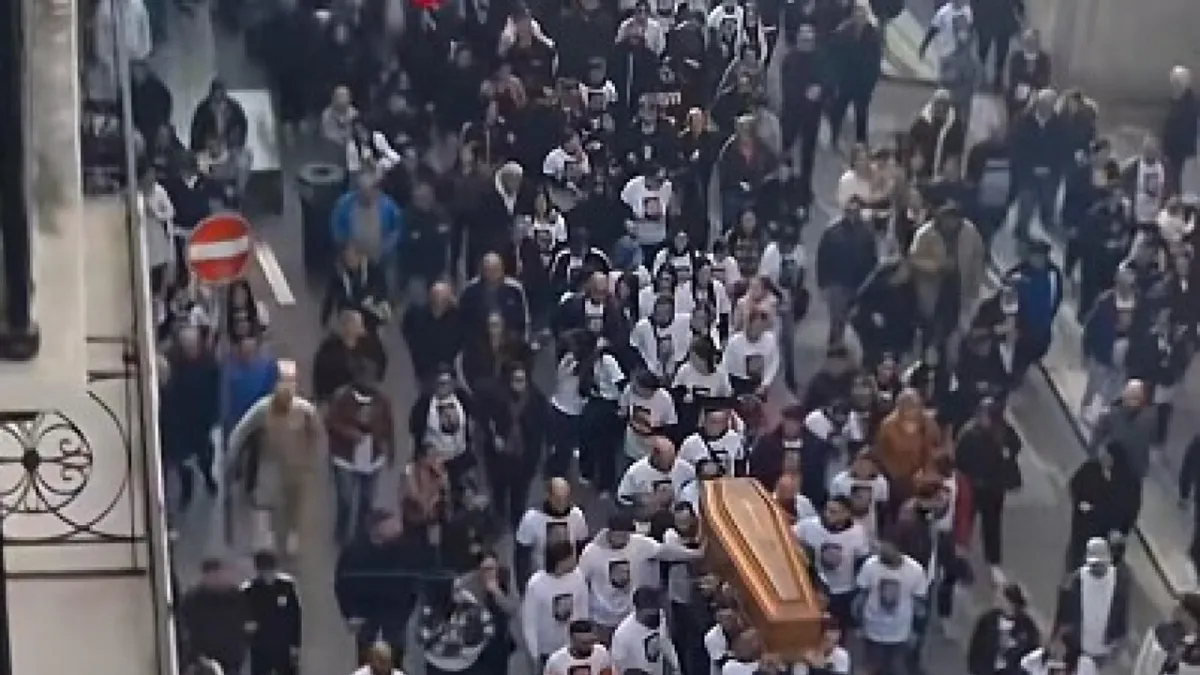
PALERMO – A convict's funeral procession in Palermo, Italy, triggered a wave of controversy after turning into a viral public spectacle across various social media platforms in 2026. This incident drew strong condemnation from various parties, including the Mayor of Palermo, who called for grief not to be exploited into a public manifestation.
The circulating video shows a funeral cortege with unusual elements, far from the solemnity typically associated with such ceremonies. The footage quickly spread, inviting diverse reactions from global netizens witnessing the unconventional phenomenon.
Palermo Mayor Roberto Lagalla expressed his concern over the incident. He emphasized the importance of maintaining the dignity of funeral processions, stating that 'condolences must not become a public manifestation.' Mayor Lagalla further added that solidarity should not be exploited to perpetuate a culture of illegality.
This controversy once again highlights certain practices often accompanying the funerals of individuals with criminal backgrounds, particularly in regions like Sicily. This phenomenon is not the first of its kind, often involving elements that signify the deceased's affiliations or social status within the underworld, which are then captured and widely disseminated by the public.
Social observers and legal experts underscore the negative impact of such visualizations. They worry that similar spectacles could glorify individuals with criminal records and undermine law enforcement efforts and prevailing social norms.
The massive circulation of the video also sparked discussions about media ethics and the boundaries between freedom of expression on social media and respect for tradition and law. Many parties called for stricter regulations to prevent the exploitation of grieving events for mere viral popularity.
Local police authorities have initiated an investigation into the incident. The investigation focuses on whether there were any violations of public regulations or unauthorized use of city facilities during the procession. Authorities pledged to take firm action against any proven infringements.
The incident in Palermo adds to a long list of controversial funeral-related cases in Italy that have attracted public attention. Previously, several similar processions also sparked intense debates about ethics, law, and the influence of mafia culture in certain areas, demonstrating recurring challenges.
The Palermo local government affirmed its commitment to ensuring that all public activities, including funerals, proceed within legal frameworks and do not cause public unrest. They also promised to enhance supervision over large-scale events to maintain public order.
This incident serves as a reminder to the entire community about the importance of upholding values of decency and law, even during emotional moments of grief. Social media, while a rapid means of information, also requires wisdom in its use so as not to deviate from its primary function.
Editorial Insight: The Palermo incident is more than just a viral spectacle; it reflects a latent conflict between certain cultures and law enforcement efforts. The Mayor's swift reaction demonstrates the city government's seriousness in rejecting symbolic legitimization of criminality. Moving forward, law enforcement may become more proactive in limiting ambiguous public manifestations, to preserve social order and public morality.