 Stefani Rindus
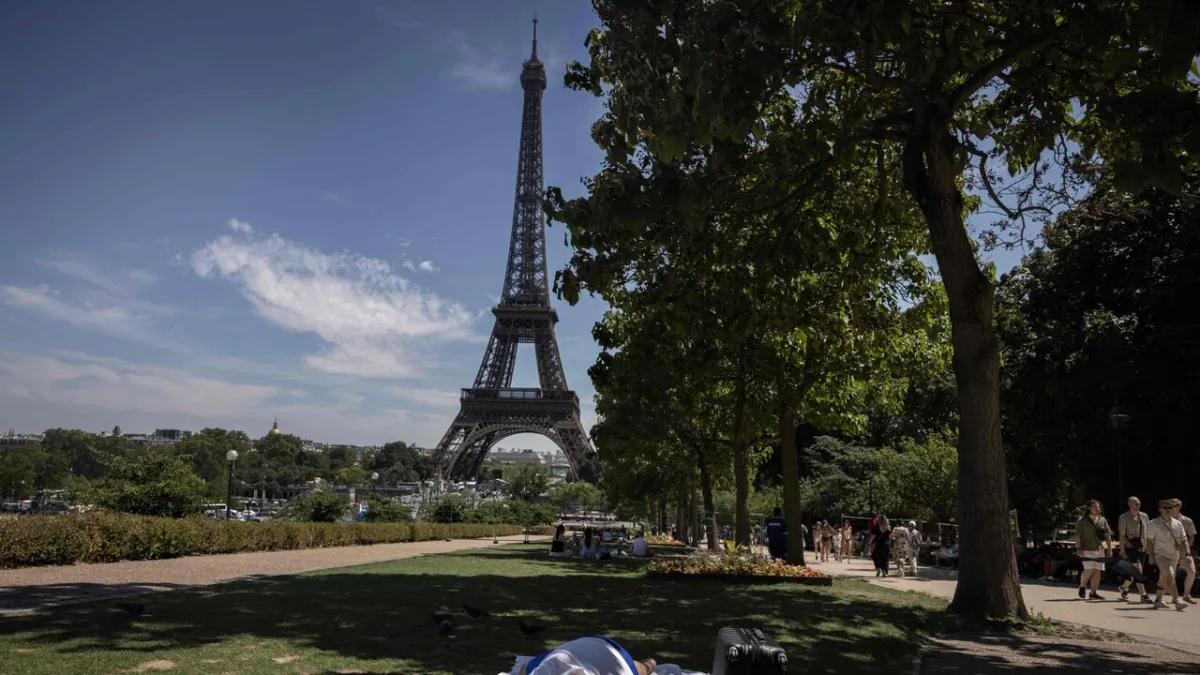
Paris — The French capital, Paris, faced an unusually extreme heatwave in mid-2026, forcing the closure of several of its iconic tourist attractions, including the Eiffel Tower and the Louvre Museum. Temperatures soared to 35 degrees Celsius, creating dangerous conditions for residents and visitors, and disrupting one of the world's biggest sporting events, the Tour de France, whose route was shortened for the safety of the cyclists.
The sudden closure of these vital destinations was implemented by Paris city authorities in response to public health hazard warnings issued by the National Meteorological Agency. In addition to the Eiffel Tower and the Louvre Museum, the Musée d'Orsay, famous for its impressionist art collection, also temporarily ceased operations. This measure was taken to protect visitors and staff from the risks of heatstroke and dehydration.
These high temperatures posed a serious challenge to the city's infrastructure and daily activities. The City of Paris activated its heat emergency plan, providing public cooling points and distributing free drinking water at several strategic locations. They urged residents and tourists to limit outdoor activities, stay hydrated, and seek shelter in air-conditioned areas.
Not only was the tourism sector affected. The world's most prestigious cycling race, the Tour de France 2026, which was underway, also directly felt the bite of this heatwave. Organizers decided to shorten several stages by 30 kilometers, reducing the physical intensity cyclists had to endure under the scorching sun.
This decision was made after intensive consultations with medical teams and rider representatives. The primary priority was the safety of the athletes, who faced a high risk of extreme fatigue and serious health problems due to severe dehydration during races covering hundreds of kilometers. Organizers recognized that the strenuous physical challenges would be exacerbated by the soaring temperatures.
Tour de France spokesperson, Marie Dubois, stated, "We had no choice but to adjust the route. The health and safety of the riders are paramount. While we understand this may alter the dynamics of the race, we believe it is a responsible step." This statement was delivered during an emergency press conference held at the Tour de France headquarters.
This heatwave phenomenon is not the first to hit Europe, but its intensity in 2026 triggered new concerns about climate change. Meteorologists and climatologists warned that extreme weather events like this are likely to become more frequent and severe in the future, demanding more serious adaptation and mitigation from governments and society.
The closure of historic sites like the Louvre, which houses priceless art collections, reflects the urgency of the situation. The Eiffel Tower, an iconic symbol of Paris, typically attracts thousands of visitors daily. The economic impact of these closures is expected to be significant, especially for the tourism sector, which is still recovering post-pandemic.
Nevertheless, most tourists understood the decision. Sarah Johnson, a tourist from the United States, commented, "Of course, it's disappointing not to be able to enter the Louvre, but I understand. The temperatures outside are truly unbearable. Health is more important."
Local authorities continue to monitor weather developments and will issue further announcements regarding the reopening of these sites and any further adjustments to the Tour de France schedule. Temperatures are expected to begin dropping in the coming days, allowing the city to return to normal operations, but warnings about the climate threat continue to resonate.