 Dodi Irawan
ROME – This week, the global stage showcased two starkly contrasting faces, reflecting profound social and spiritual dynamics. While Italy was engulfed in waves of demonstrations that reopened old wounds, Pope Leo XIV made new history with his pastoral visit to the Andean highlands, bringing a message of hope and unity to one of the world's most remote regions.
Pope Leo XIV's five-day visit, which began last Monday, has captured the attention of millions of Catholics and the international community. The supreme head of the Catholic Church started his mission in La Paz, Bolivia, before continuing his journey across the iconic Andean peaks, reaching indigenous communities that have long been untouched by global spotlights.
The primary purpose of the Pope's visit was to strengthen faith, call for social justice, and raise awareness about the increasingly threatening climate crisis. In one of his most memorable speeches, Pope Leo XIV emphasized, 'Amidst the natural grandeur of the Andes, we are reminded of the earth's fragility and our duty to protect it. Nature is a silent witness to human prayers and struggles.'
Thousands of local residents and pilgrims from various countries greeted the Pope with fervent enthusiasm, seeing his presence as a symbol of hope and solidarity for often marginalized communities. This moment became a deeply moving spiritual focal point, as well as a reminder of the Pope's role in global humanitarian issues in 2026.
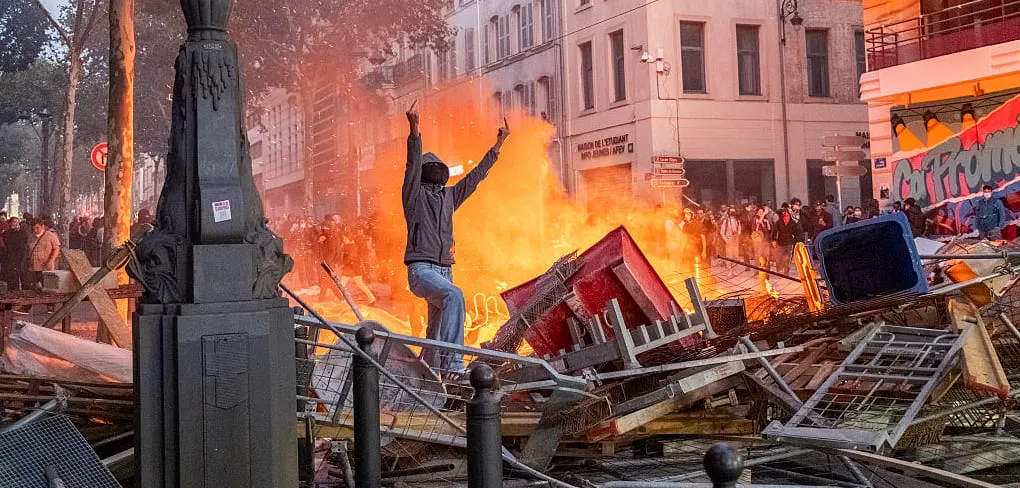
However, in another part of the world, particularly in Italy, the political and social situation grew tense. Thousands of people flooded the streets of Rome, Milan, and Naples in massive demonstrations triggered by a series of corruption scandals and allegations of abuse of power that emerged recently.
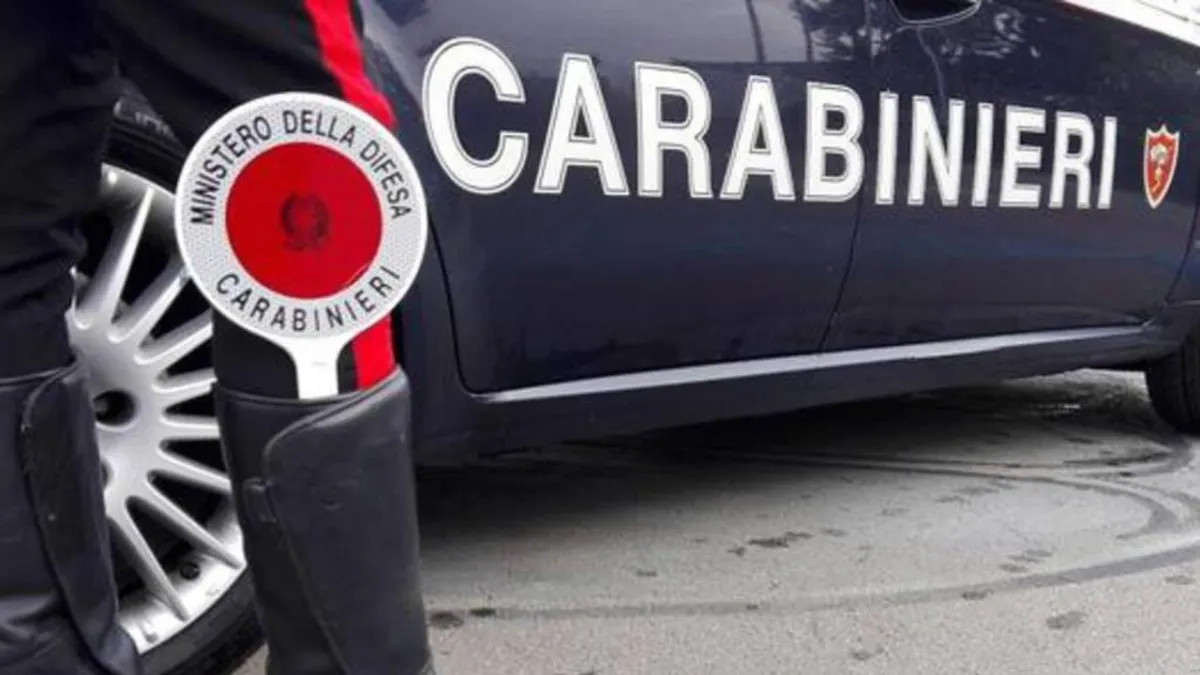
These waves of protest are a response to a crisis of public trust in government institutions, especially following the mysterious death of former Italian Police Chief, General Giorgio De Gennaro, which in 2026 still leaves many questions and speculations.
The National Workers' Union Federation (FSN) became the main driver of the general strike that paralyzed most public and private sectors. Their demands were clear:
- Full transparency in the investigation of corruption scandals.
- Reform of a more independent justice system.
- Justice for victims of social injustice.
- Resignation of several high-ranking officials allegedly involved.
FSN spokesperson, Elara Rossi, stated, 'We will not stop until the people's voices are heard and justice is served. General De Gennaro's death is just the tip of the iceberg of problems eroding the foundations of our democracy.' This statement affirmed the determination of the protesters demanding fundamental change.
This situation created a tense atmosphere across the country, with sporadic clashes between protesters and security forces in several major cities. The government, through Prime Minister Alessio Lombardi, has expressed commitment to listen to the people's aspirations but also cautioned all parties to maintain order and not be provoked.
The political tension in Italy contrasts with the serenity and spirituality in the Andes, presenting a picture of profound polarization in the modern world. While one side fights for spiritual dignity, the other grapples against corruption and injustice that undermines the social order.
Both events, though occurring in different locations, equally highlight crucial issues regarding leadership, responses to crises, and societal hopes for a better future, both spiritually and politically.
Editorial Insight:
The contrast between Pope Leo XIV's hopeful visit to the Andes and the socio-political turmoil in Italy offers a sharp reflection of the world's condition in 2026. On one hand, there is a longing for spiritual and environmental values; on the other, public anger against injustice and corruption burns brightly. These two narratives, though geographically separated, are connected by a common thread of hope for change and justice, simultaneously challenging global leaders to respond wisely.