 Dorry Archiles
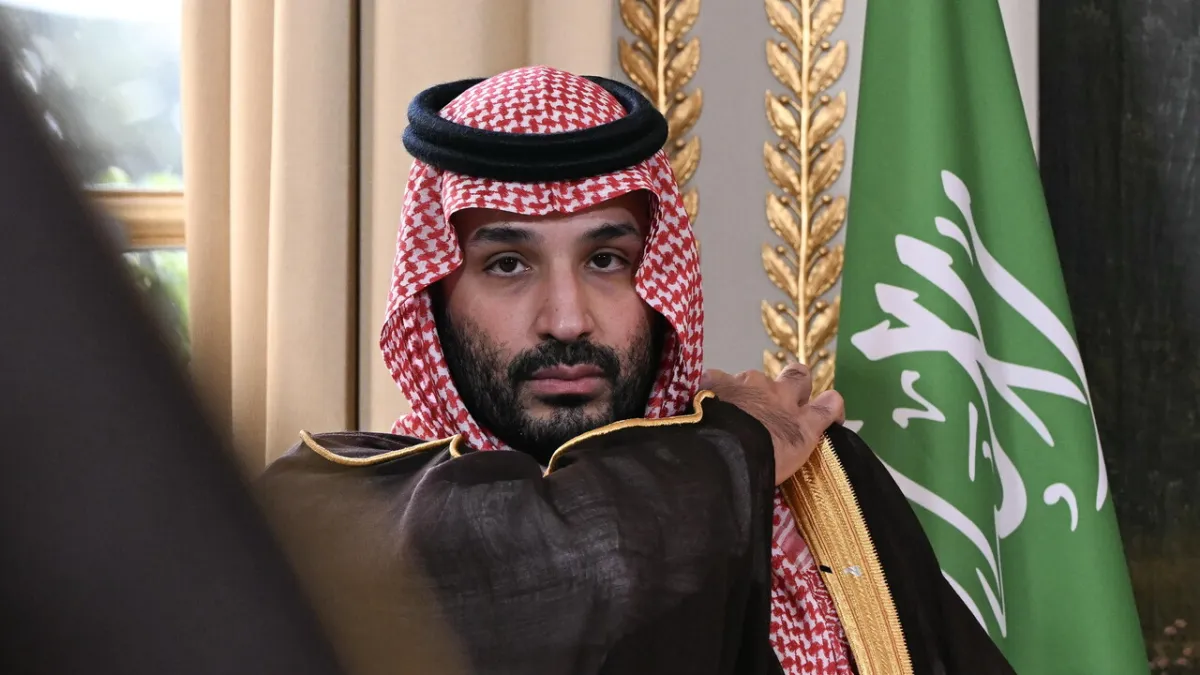
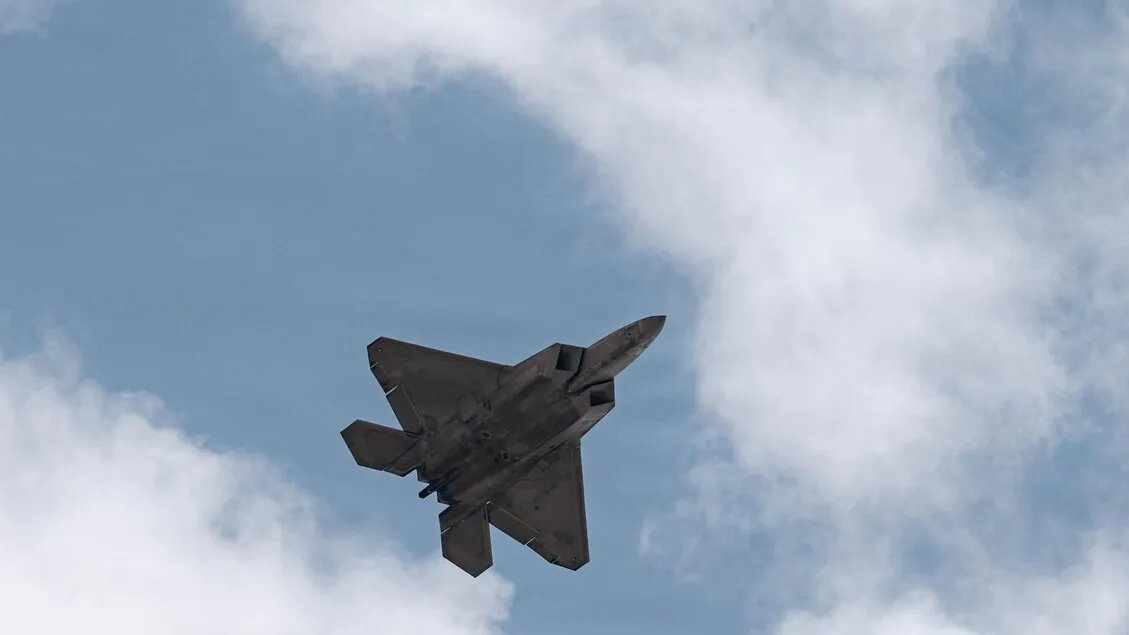
WASHINGTON – Geopolitical tensions in the Middle East have flared once again after Saudi Arabia's Crown Prince Mohammed bin Salman urged US President Donald Trump to launch military strikes against Houthi militants in Yemen. This appeal, made amidst increasingly aggressive Houthi movements in the Red Sea, resulted in Washington's refusal for direct military intervention, although crucial intelligence support was offered.
The vortex of the Red Sea conflict is now drawing global attention, following a series of incidents involving Houthi attacks on commercial vessels. These militants have demonstrated increasing operational capabilities, even seizing strategic areas such as Mocha and Zuqar, which significantly threaten vital shipping lanes. The alarming strength of the Houthis was detailed in an in-depth report, as reviewed in the article Houthi Kuasai Mocha dan Zuqar: Ancaman Nyata Jalur Pelayaran Laut Merah.
Prince Mohammed bin Salman, who views Houthi activities as a direct threat to regional security and the Kingdom's maritime interests, unequivocally requested the United States to take preventive military action. Riyadh is concerned that Houthi escalation could not only disrupt global trade but also trigger broader instability across the Arabian Peninsula.
In response to this request, the White House, through President Donald Trump, expressed its rejection of the idea of direct military intervention. This decision reflects Washington's caution against being drawn into a large-scale armed conflict in the Middle East, especially after lengthy experiences in the region.
Instead of launching strikes, the United States committed to providing intelligence assistance to Saudi Arabia and its allies. This support is expected to strengthen Riyadh's capabilities in tracking and countering Houthi threats, while minimizing the risk of civilian casualties and uncontrolled conflict escalation.
Analysis from US intelligence sources suggests that direct intervention could exacerbate the situation, provoke greater retaliation, and potentially draw other regional actors into a wider war. An intelligence-based approach is seen as more effective in weakening Houthi capabilities without igniting a broader conflict.
The Red Sea is a vital artery for global trade, connecting Europe and Asia via the Suez Canal. Any disruption to this route has massive economic consequences, affecting commodity prices and international supply chains. Therefore, the stability of this region is a top priority for many superpowers.
This ongoing tension also highlights the complex dynamics of power in the Middle East, where Iran's influence over the Houthis is a significant factor. Saudi Arabia and its allies view the Houthis as an Iranian proxy, a perspective that complicates efforts to resolve the conflict through diplomatic channels.
Nevertheless, US foreign policy under President Trump's leadership continues to prioritize a pragmatic approach. A focus on national security interests and minimization of direct involvement in foreign conflicts remains a key pillar, unless the threat directly impacts American sovereignty or citizens.
Trump's decision to refuse direct intervention while still providing intelligence signifies a strategy that attempts to balance support for allies with the avoidance of costly wars. This move is expected to maintain pressure on the Houthis without excessively expending US military resources.
Editorial Insight: The United States' decision to refrain from direct military strikes against the Houthis, despite urging from close allies like Saudi Arabia, signals a shift in Washington's priorities regarding Middle East engagement. Instead of hard power, the White House is now leaning more on diplomacy and non-combat support, such as intelligence, to manage regional crises. This approach could redefine security dynamics in the Red Sea, placing a greater burden on regional defense capabilities while testing the limits of strategic partnerships without direct intervention.