 Edward DP Situmorang
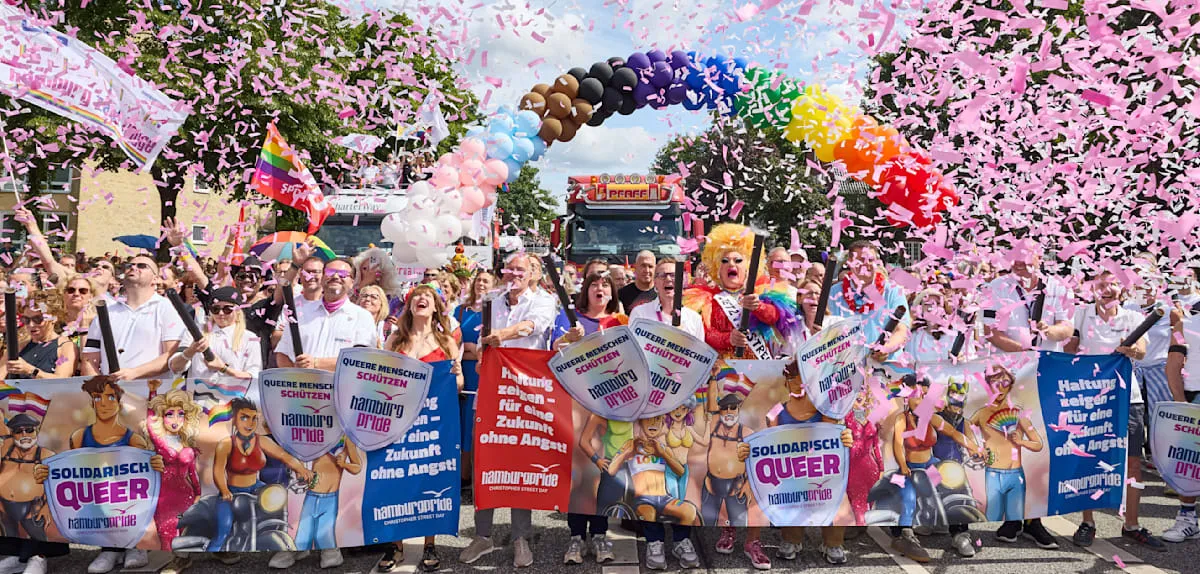
Hamburg — The queer community gathered in Hamburg one week after a tragic attack at Berlin's Christopher Street Day (CSD) in 2026, staging a massive demonstration marked by sharp criticism against extremist groups and the German political spectrum, including figures like Alice Weidel of the AfD. The atmosphere of the protest, though lively, was charged with anger and demands for accountability.
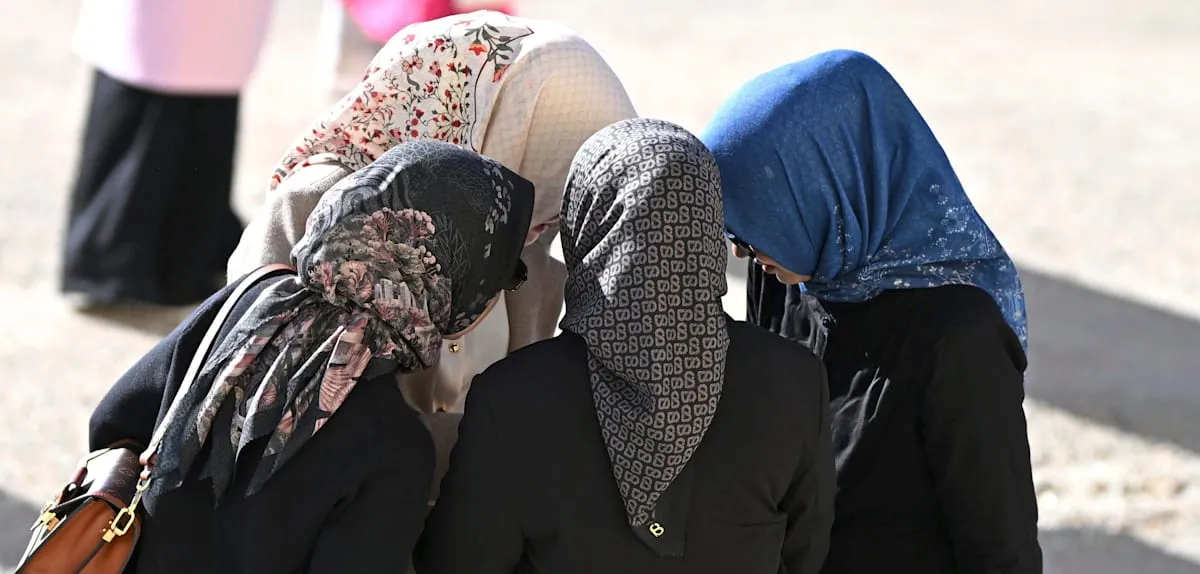
Thousands of participants filled the city streets, carrying banners and placards expressing solidarity and defiance. They asserted that the incident in Berlin was not merely a physical attack, but also a symbol of systemic failure to protect minority rights amid rising intolerance.
A prominent activist, speaking anonymously for security reasons, delivered a rousing speech. “Even Weidel is not one of us,” she declared to the crowd, referring to Alice Weidel, parliamentary leader of the Alternative for Germany (AfD) in the Bundestag, whose policies often draw controversy.
The activist began her critique by strongly condemning the extremism blamed for instigating the brutal attack at Berlin's CSD. She emphasized the state's need to take concrete action against groups spreading hatred and division within German society.
However, the main spotlight was also directed at mainstream political parties. This protest was not just about a single incident, but an accumulation of frustration over what they perceive as unresponsive or even permissive political attitudes towards growing anti-queer sentiments.
The Union parties, represented by the CDU and CSU, were accused of being slow to respond to LGBTQ+ rights issues and sometimes caught in conservative rhetoric that exacerbates tensions. The CDU's internal struggles, currently facing turmoil related to its leadership, further highlight these challenges. CDU Falters: Merz's Fatal Error Handling Triggers Internal Upheaval.
The AfD, in particular, was singled out for condemnation due to its platform, often considered discriminatory and anti-immigrant, which contributes to a polarizing climate in society. Protesters fear the party's rhetoric could legitimize hatred against minority groups. Threat of 'Covert Party Ban': Former German Constitutional Court President Points to AfD.
Even parties traditionally considered more progressive, such as the SPD and the Greens, did not escape criticism. Demonstrators demanded more than just empty promises, but concrete policy implementation and robust protection for all citizens, without exception. German Pension 63 Controversy Heats Up: CDU Rejects, SPD Wavering!
The attack at Berlin's CSD a week prior served as an undeniable trigger for public outrage. The incident, which caused deep injuries and trauma, highlighted the queer community's vulnerability to hate-based violence that remains a real threat in Germany.
The queer community demands enhanced comprehensive security, broader recognition of rights, and more inclusive policies from the government. They are determined to continue voicing their aspirations to create a more just and equitable society in Germany in 2026.
This demonstration underscores that the fight for gender and sexual orientation equality is far from over, even in developed countries like Germany. It is a call for deep reflection for the entire political spectrum and wider society to collectively build a safe and accepting environment.