 Stefani Rindus
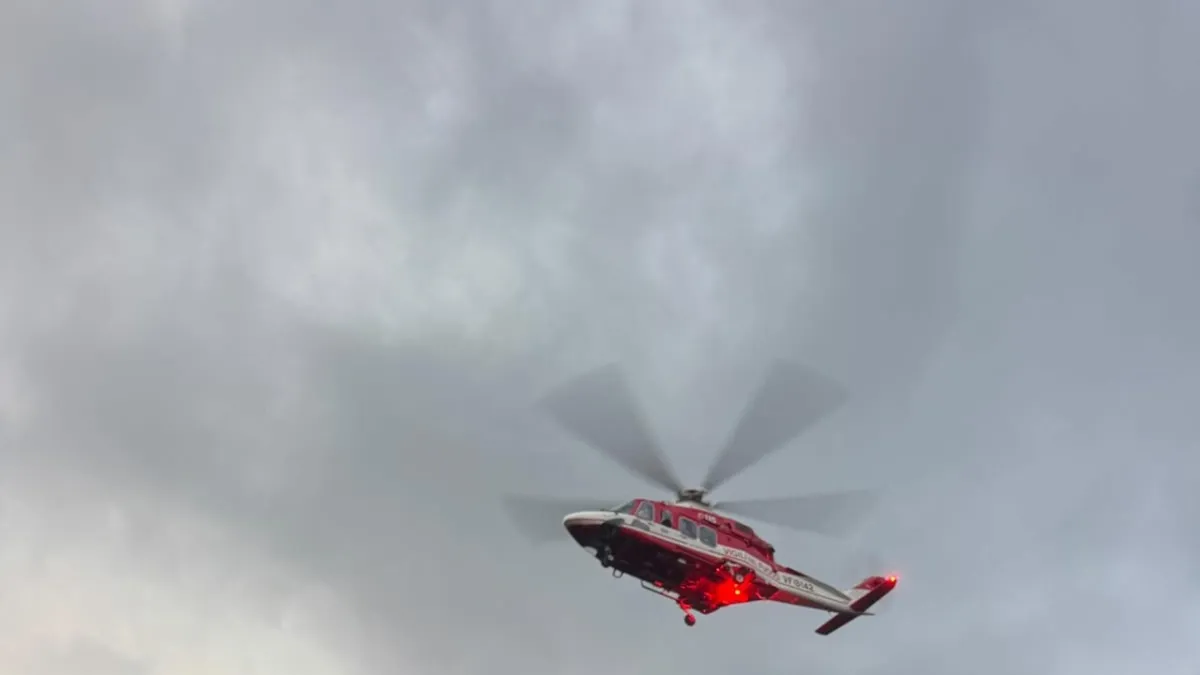
CATANIA – A mountaineer tragically lost their life after being struck by lightning within Mount Etna's restricted zone in Sicily last night. The individual, whose identity has not yet been officially released, was reportedly in an area forbidden to the public when a sudden thunderstorm descended upon the active volcano's summit.
Initial reports from local authorities indicate the victim was found unconscious after the lightning strike and immediately rushed to a nearby hospital. However, medical efforts to save them proved unsuccessful, and the person was pronounced dead shortly thereafter.
This incident once again underscores the inherent dangers of climbing Mount Etna, particularly in areas designated as forbidden zones. National park authorities consistently issue stringent warnings regarding the geological and meteorological risks surrounding the active craters.
Mount Etna, one of the world's most active volcanoes, is notorious for its highly unpredictable weather conditions. Extreme temperature shifts, strong winds, and severe thunderstorms can occur abruptly without prior warning, even during seasons generally considered safe.
The warnings concerning restricted zones are not without reason. These areas frequently contain hazardous volcanic gases, unstable terrain, or extremely steep and landslide-prone paths. Being present in such zones without proper authorization and adequate preparation is an exceedingly perilous act.
This event also adds to a growing list of accidents linked to extreme weather conditions across Italy. The country has recently experienced an unusual spate of natural phenomena, ranging from extreme heatwaves to violent storms. These occurrences serve as a stark reminder of vulnerability to climate change. Italy's Heatwave Ends: 13 Regions on Alert for Extreme Storms stands as a testament to the drastic meteorological conditions in the region.
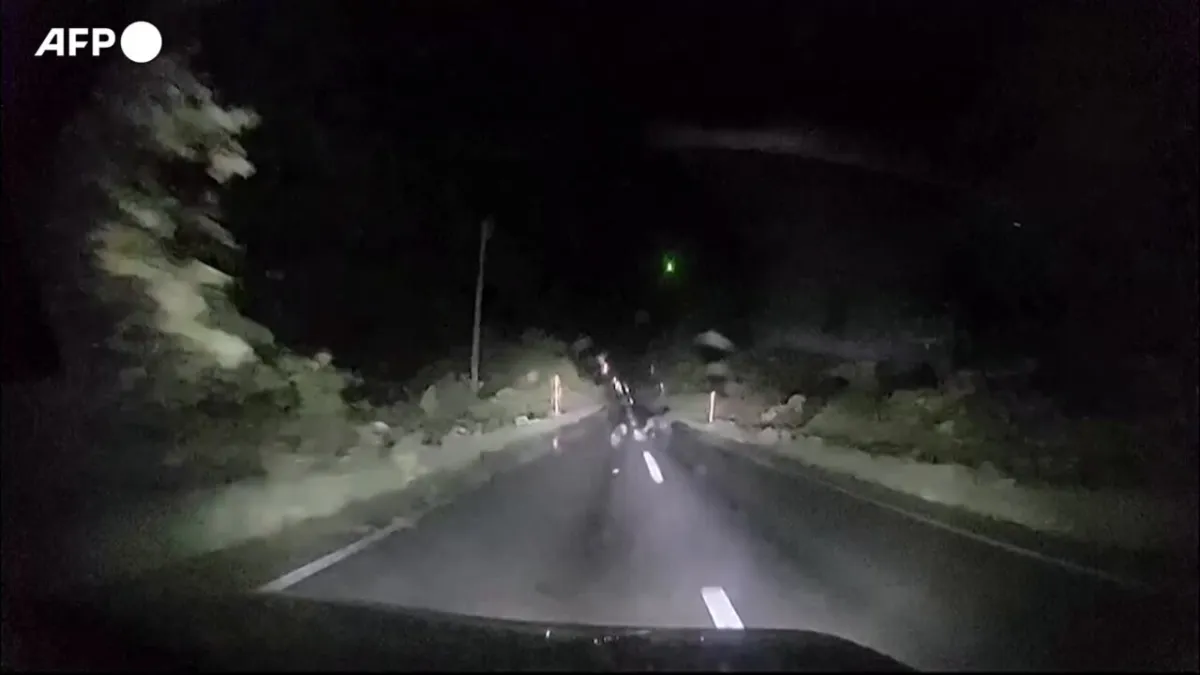
The victim's evacuation posed a significant challenge given the difficult terrain and deteriorating weather. Rescue teams had to exert extraordinary effort to reach the incident site amidst the darkness of night and the ongoing threat of the storm.
Police and forest rangers are conducting a thorough investigation to understand the precise chronology of events and why the victim was in the restricted zone. They will also examine whether any climbing regulations were violated.
This tragedy serves as a somber reminder for nature enthusiasts and climbers to always adhere to safety signs, respect local authorities, and never underestimate the formidable power of nature, especially in hazardous environments like an active volcano.
Editorial Insight: The Mount Etna incident is more than just an accident; it reflects how often humans disregard nature's warnings and regulations. When an active volcano designates restricted zones, it is based on meticulous geological risk assessments. This tragedy should serve as a crucial lesson on the importance of wisdom in interacting with extreme environments and the fatal consequences of impulsive or reckless decisions.