 Angela Stefani
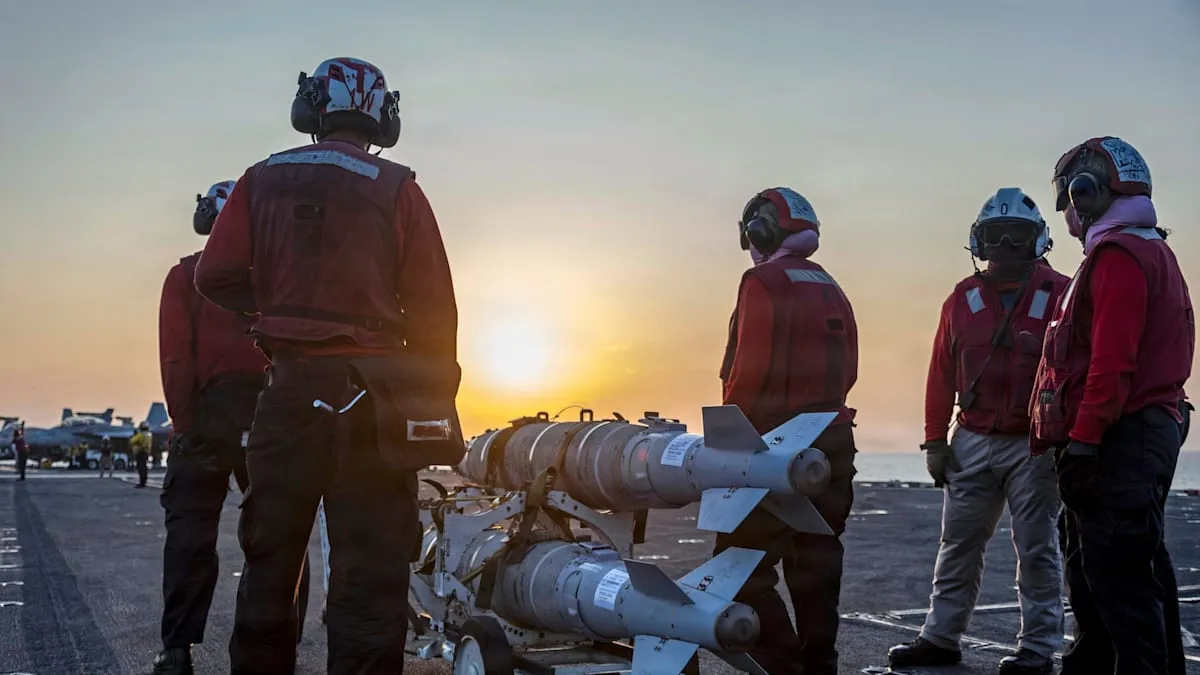
On Monday evening, Washington once again launched airstrikes into Iranian territory, marking the tenth consecutive wave of aggression conducted by the United States Army. The U.S. Central Command (CENTCOM) confirmed that the primary target of this operation was Iranian military facilities, a move that significantly escalates tensions in the Middle East region. These attacks occur amidst international calls and initiatives from mediators who have reportedly submitted a comprehensive ceasefire proposal, raising significant questions about the effectiveness of diplomacy in the face of military escalation.
This latest military operation is a continuation of a series of U.S. interventions that began some time ago. According to CENTCOM reports, the purpose of the attacks is to neutralize Iranian military capabilities deemed to threaten regional stability. Specific details regarding the exact locations of the facilities attacked were not explicitly mentioned but are believed to include strategic command centers, weapons depots, or logistical infrastructure. The sustained intensity of these attacks demonstrates Washington's determination to maintain military pressure on Tehran.
The Middle East region, long a geopolitical flashpoint, is further heating up with this escalation. Many observers fear retaliatory attacks from Iran, which could trigger a larger-scale open conflict. This situation echoes the article 'Middle East Heats Up: US-Iran Retaliatory Strikes, Ceasefire Proposed' which highlights the complex dynamics between these regional and global superpowers.
Amidst the roar of war machines, a glimmer of hope comes from mediation efforts. Various international parties, including Arab and European nations, have reportedly worked tirelessly to formulate a peaceful solution. The ceasefire proposal submitted by mediators, although its details remain confidential, is believed to include a cessation of all military actions and the resumption of diplomatic negotiations. This is a crucial step to prevent the Middle East from being caught in an endless cycle of conflict.
As of this report, no official statement has been issued by Tehran regarding the scale of damage or retaliatory response to these latest attacks. However, history suggests that Iran will not stand idly by. Iran's response could involve asymmetric military actions or support for proxies in the region, potentially disrupting vital shipping lanes or targeting U.S. and allied interests.
Global political and military analysts view this situation with deep concern. Dr. Ardi Wijaya, an international relations expert from the University of Indonesia, stated, 'This cycle of attacks and counter-attacks is a recipe for disaster. Without serious commitment from both sides to diplomatic channels, a ceasefire proposal will merely become a footnote in the history of a larger conflict.' He emphasized the importance of major powers in pressing the warring parties.
These ceasefire efforts also intersect with other regional dynamics, as previously discussed in the article 'Gulf Heats Up: Houthi Blockade of Riyadh, US-Iran Ceasefire Crucial 2026'. Escalation in Yemen, proxy involvement, and strategic interests in the Red Sea are variables that further complicate efforts to achieve lasting peace between the U.S. and Iran.
The ongoing conflict in the Middle East has serious implications for the global economy. World oil prices have shown significant fluctuations in response to each escalation. Global investors are apprehensive, and many multinational companies are reviewing their investments in the region, adding economic pressure on already fragile nations.
CENTCOM, based in Tampa, Florida, plays a central role in U.S. military operations in the Middle East and Central Asia. Their statements regarding the targets and objectives of the attacks serve as a primary reference for international media and the public. The continuation of military operations under CENTCOM's command indicates that Washington is fully committed to its defensive and offensive strategy in the region.
The UN Security Council and various regional organizations have called for restraint from all parties. Several European countries urged the U.S. and Iran to return to the negotiating table and avoid further provocations. However, so far, these calls have not been able to quell the wave of violence threatening global stability in 2026.
The future of peace in the Middle East largely depends on the political will of Washington and Tehran. The ceasefire proposal put forward by mediators represents an opportunity that must not be squandered. Failure to reach a peace agreement could potentially drag the world into a much broader and unpredictable conflict.