 Demian Sahputra
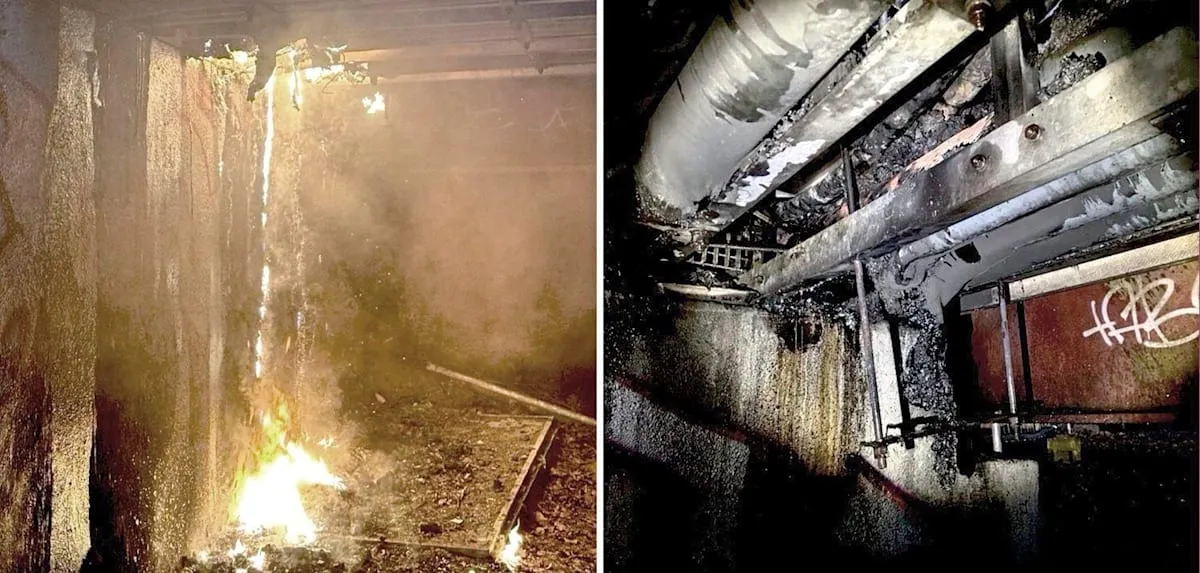
Berlin — German security investigators in 2026 are currently focusing their hunt on four individuals—two women and two men—who are strongly suspected of being part of an anarchist milieu. They are believed to be involved in a series of sabotage acts. The central point of attention in this investigation is the legendary building that symbolizes left-wing extremism in Berlin, Rigaer Straße 94.
This large-scale operation follows the detection of suspicious activities leading to the planning and execution of destructive acts. Law enforcement authorities confirm that they have identified the suspects, but arrests have not yet been made, awaiting the most strategic moment for the operation's success.
A spokesperson for the Berlin Police, in a brief statement, said, “We have identified several individuals as key suspects. The investigation process is intensive, and enforcement will be carried out at the opportune moment, to ensure all evidence is collected and potential risks are minimized.” This statement underscores the authorities' caution in dealing with organized groups.
The suspects are believed to have close connections with the radical anarchist environment in the German capital. This circle is known to frequently engage in confrontations with authorities and holds an ideology that opposes the existing government system and social order.
Rigaer Straße 94, an address familiar to Berlin residents, has long been identified as a hotbed of extreme left activism. The building often serves as a hub for activities, meetings, and sometimes the starting point for various protests or violent incidents. Its long history as a squat and headquarters for autonomous groups makes it a natural focus in any investigation related to left-wing extremism.
Special detachments of the police and intelligence have conducted meticulous surveillance, gathering digital and field data and evidence. The primary goal is to uncover the entire network and prevent potential future sabotage actions that could disrupt public order and vital infrastructure.
Such sabotage cases are not isolated incidents in Germany. The country has previously faced similar threats from various extremist groups. [ Dobrindt's warning about the threat of attacks at any time ] indicates a high level of preparedness nationwide against potential security disturbances.
This ongoing investigation also highlights how anarchist groups manage to operate in the heart of a metropolitan city, utilizing anonymity and support from a handful of sympathizers. Their tactics vary, from vandalism to the destruction of public and private property, often with political motives.
The complexity of this case lies in the closed and decentralized nature of the anarchist milieu. Members often operate in small cells, making tracing and infiltration a significant challenge for law enforcement. However, the identification of two women and two men as suspects signals an important breakthrough.
Authorities pledge to provide further information to the public as soon as the situation allows, without jeopardizing the operation's integrity. Transparency remains a priority, although the security and confidentiality of the investigation must also be strictly maintained.
These law enforcement efforts are part of a broader strategy by the German government to combat all forms of extremism, whether from the right, left, or religious spectrum. A holistic approach is necessary to maintain national stability and security.
Residents of Berlin and all of Germany are expected to remain vigilant but not to panic. The government, through its security apparatus, continues to work hard to ensure that such threats can be dealt with effectively, so that the normal lives of the community are not disrupted by the actions of saboteurs.