 Chandra Wijayanto
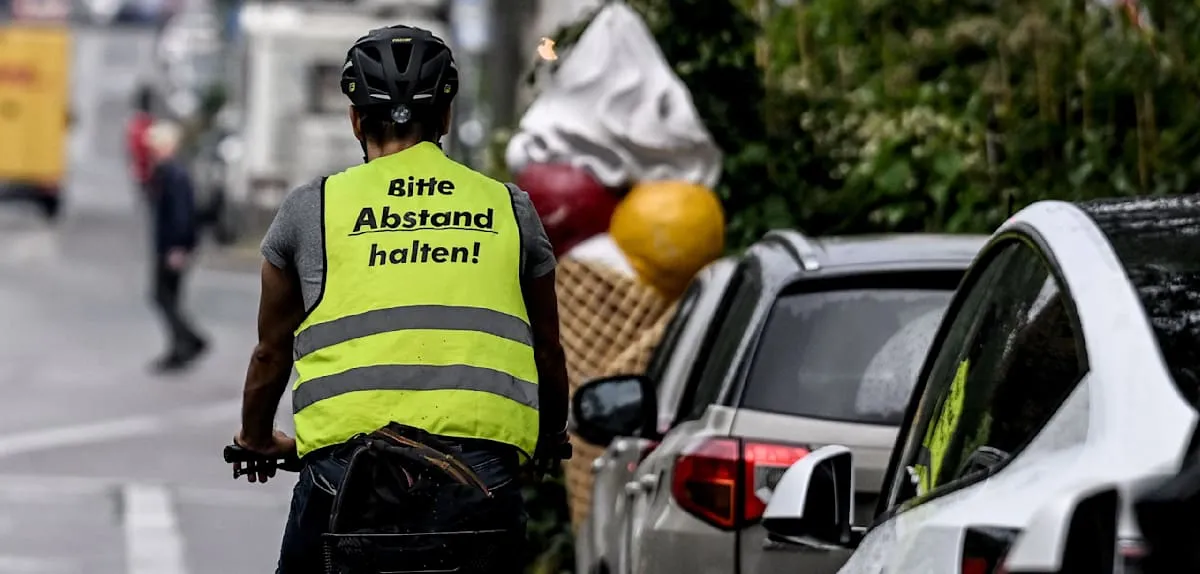
BERLIN – Aggression on German roads has reached a critical juncture, showing a significant increase from previous years according to a new study by the German Insurance Association (Deutsche Versicherungswirtschaft). This phenomenon not only involves increasingly aggressive motorists but also extends to cyclists who tend to be more reckless and less considerate of other road users, creating a hostile atmosphere with potential for danger.
The report, released in early 2026, reveals that incidents of road rage, ranging from excessive honking to dangerous maneuvers, have seen a noticeable surge. The study specifically highlights that approximately 60% of drivers reported being victims of or witnessing aggressive behavior in the last year, a figure that is up 15% from a survey five years ago.
This increase, according to researchers, is not merely a seasonal anomaly but a reflection of escalating social and economic pressures. Work-related stress, the fast-paced demands of urban living, and the anonymity behind the wheel or handlebars often serve as catalysts for the release of negative emotions in public spaces.
The study data also notes a significant change in behavior among cyclists. Although often considered a more environmentally friendly group, the report indicates an increase in cyclists disregarding traffic lights, riding on sidewalks, or even directly confronting drivers or pedestrians. This creates new friction within the urban traffic ecosystem.
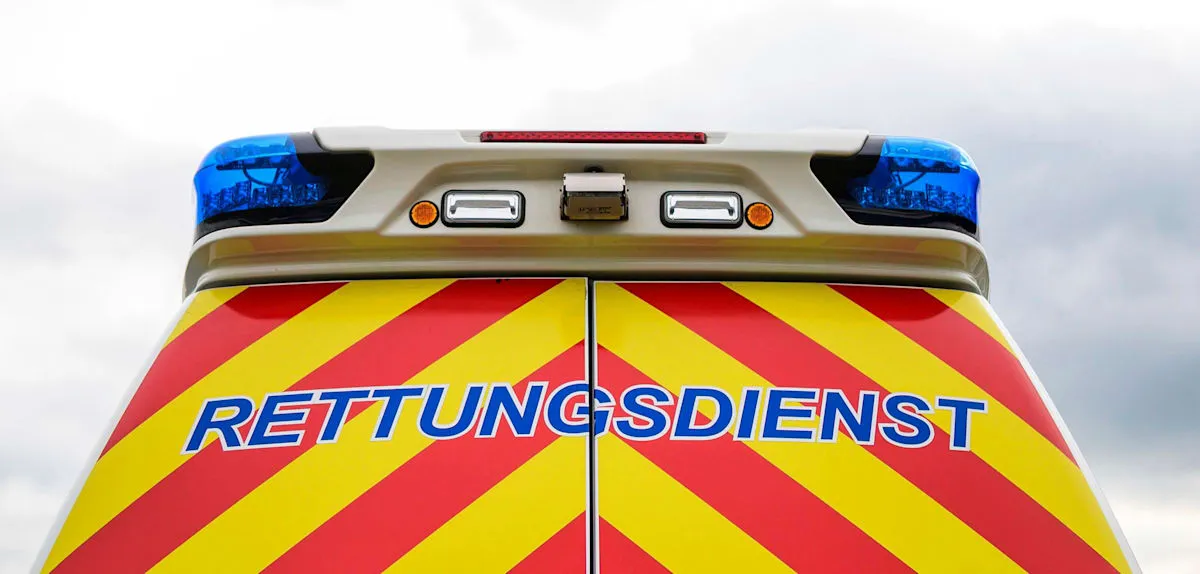
Die Zundschnur wird kurzer, a popular expression used in Germany, illustrates that the fuse of patience among road users is indeed shortening. This condition directly implies an increased risk of accidents. Several serious incidents, such as the overturning of a Mercedes in Hagermarsch, or the tragic case of a truck driver operating with a high alcohol level, often stem from patterns of aggressive or irresponsible behavior common on the roads.
Urban sociology experts point out that the growth in the number of vehicles and cyclists, without adequate infrastructure and education, further exacerbates the situation. Major cities like Berlin and Munich, for example, often bear silent witness to tensions between road users vying for space.
The German Insurance Association recommends a series of preventive measures. Education on driving ethics and public awareness campaigns need to be intensified from an early age. Consistent law enforcement against traffic violations, by both drivers and cyclists, is also considered crucial to restore order.
The use of technology such as dashcams is increasingly popular as evidence in road incidents. While helpful in legal proceedings, this phenomenon also reflects a growing level of distrust and a tendency to monitor each other among road users.
Local governments and traffic police expressed serious concern over the study's findings. In an official statement, a Berlin police spokesperson affirmed, We will increase patrols and promote road safety education programs to curb aggression and ensure all road users can share space safely.
Transforming road culture is a top priority. Developing empathy, patience, and respect for the rights of other road users forms the foundation for creating more harmonious traffic. Without this change in mentality, roads will continue to be dangerous arenas of conflict.
Editorial Insight: The rise in road aggression is not merely a traffic issue but a reflection of the social and psychological dynamics of modern society. This study from the German Insurance Association should serve as a warning to policymakers to focus not only on physical infrastructure but also on the mental and emotional infrastructure of their citizens. A holistic approach involving education, law enforcement, and urban design that promotes coexistence among different modes of transportation will be key to de-escalating tensions on the asphalt.