 Gabriella
ITALY – A tragic incident recently struck the Italian mountain region when a volunteer was found dead and five others suffered severe carbon monoxide poisoning in a mountain hut. This heartbreaking event, which shook the local community, is now under deep investigation by local authorities to uncover the exact cause of the deadly gas leak.
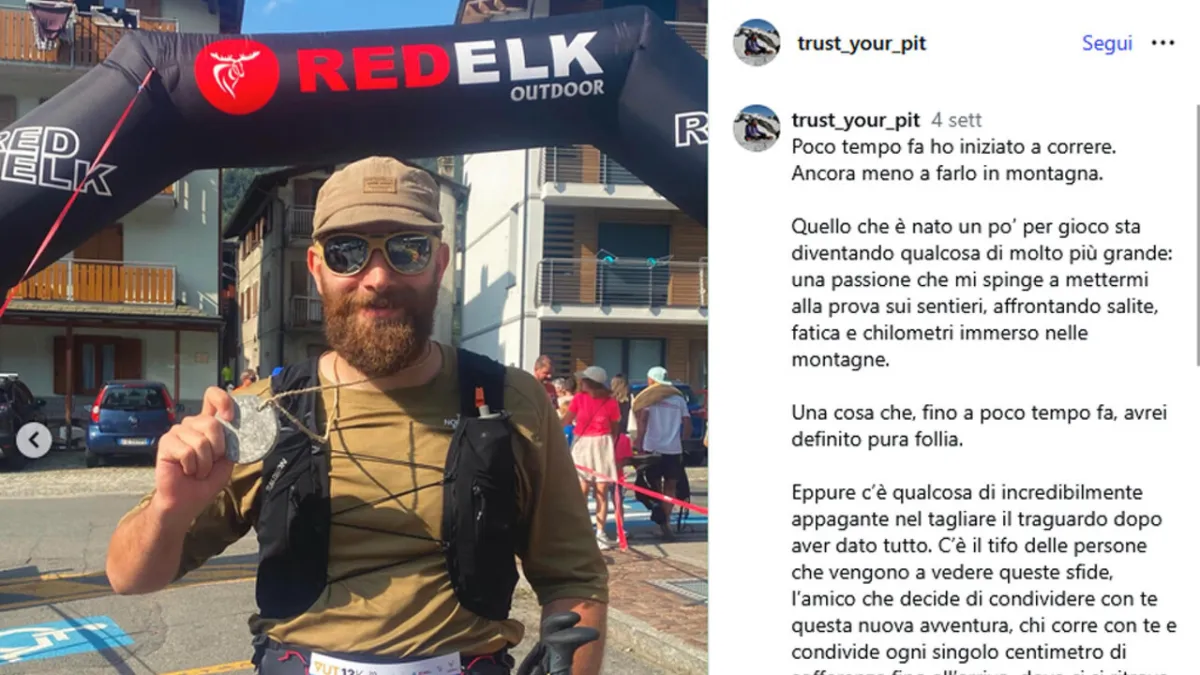
The deceased victim was identified as a volunteer who was undertaking a period of duty in the alpine pasture. He was participating in a vital program aimed at providing support to local breeders in these remote areas, an initiative crucial for the sustainability of the livestock sector in the mountainous regions.
The discovery of the victims occurred after concerns arose due to a lack of communication from the hut. Rescue teams and emergency services were immediately deployed to the location, finding a very alarming situation with six unconscious individuals inside the tightly sealed hut.
The five surviving individuals, although in critical condition, were immediately rushed to the nearest medical facilities for intensive care. Doctors reported them showing severe symptoms of carbon monoxide poisoning, and recovery efforts are still ongoing with the hope that their conditions will improve.
Carbon monoxide is known as a silent killer due to its odorless, colorless, and tasteless nature. This gas is produced by the incomplete combustion of carbon-based fuels, such as wood, gas, or oil, and can quickly lead to loss of consciousness, brain damage, and even death without the victims being aware.
Initial investigations are focusing on the possibility of a malfunction in the heating system or other combustion devices within the hut. Mountain huts often rely on wood stoves or gas heaters to cope with extreme temperatures, and a failure in ventilation or other components can be fatal.
The mountain hut or baita is a simple facility commonly used by breeders and volunteers in the Italian alpine region. Its remote and sometimes extreme environment demands extra caution regarding life support systems, especially those related to heating and ventilation.
The support program for breeders in the alpine region plays a crucial role. Volunteers assist in various tasks, from livestock care to infrastructure maintenance, ensuring that traditional farming practices can continue despite facing geographical and severe weather challenges.
News of this tragedy has triggered a wave of condolences from various parties. Local government and volunteer organizations have extended their deepest sympathies to the family of the deceased and wished for the recovery of the victims still hospitalized. This event serves as a bitter reminder of the risks faced by workers in remote environments.
Currently, authorities are collecting evidence at the scene. Forensic experts and safety technicians have been deployed to examine every detail, from heating installations to ventilation ducts, to identify the exact source of the gas leak and prevent similar incidents from recurring in the future.
This incident underscores the importance of installing carbon monoxide detectors in every building, especially those in remote locations or using combustion-based heating systems. Detectors can provide early warning of the presence of this deadly gas, which can save lives.
Such tragedies are not new to Italy, although each case always leaves deep sorrow. Previously, fatal incidents like Tragedy in Viterbese: Silvano Loia, Rai Way Manager, Drowned remind us of the fragility of life and the risks in unexpected environments.
Editorial Insight: This tragic event in the mountain hut reinforces the urgency of strict oversight of safety standards, particularly in facilities operating in extreme environments. Governments and relevant organizations must ensure volunteer programs are equipped with safety protocols that include not only training but also regular inspections of vital equipment. This tragedy is not just about an accident; it is also a call to strengthen awareness and prevention to protect those dedicated to serving communities on the front lines.