 Angela Stefani
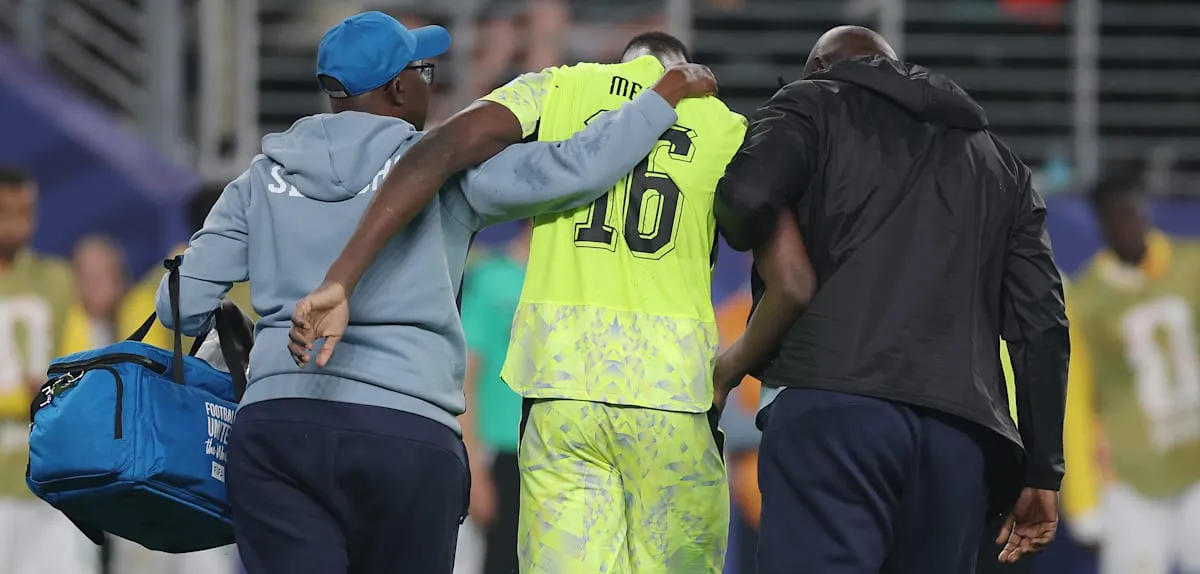
DAKAR — An internal crisis has shaken Senegal’s national football team following their surprising elimination from the FIFA World Cup 2026. The President of the Senegalese Football Federation, in an effort to assign responsibility for this failure, controversially accused the team doctor, a gynecologist by profession, as the mastermind behind the team’s sluggish performance. This accusation has sparked a fierce debate across the nation, with many questioning the validity and motives behind the statement.
The early exit of the Teranga Lions from the prestigious tournament held in North America, Mexico, and Canada caused deep disappointment for millions of fans. Previously, the team’s head coach had already been dismissed from his position, signaling the start of a comprehensive evaluation process by the federation. However, the subsequent move targeting medical staff has stirred controversy.
Sources close to the federation confirmed that the Federation Chairman, whose identity has not been officially disclosed but is known for his assertive leadership style, explicitly highlighted the team doctor’s specialization. “He is a gynecologist,” reads a circulating quote, seemingly intending to emphasize the doctor’s perceived incompatibility with the medical demands of top-tier professional athletes.
Nevertheless, this narrative constructed by the federation was immediately challenged by various circles. A number of former players, sports experts, and even medical practitioners questioned the relevance of the team doctor’s gynecology profession to physical performance and tactics on the pitch. They argued that a team doctor’s role is far more complex than a single specialization.
The role of a football team doctor encompasses injury management, athlete nutrition, physical recovery, and even psychological aspects. Expertise in gynecology does not automatically negate one’s competence in sports medicine in general, especially if they possess relevant experience and certifications.
The Senegalese public, known for its militant support of the national team, is divided. Some support the federation’s view, feeling that every aspect must be evaluated after a major failure. However, the majority view this accusation as a classic maneuver to find a “scapegoat” to divert attention from structural weaknesses and management decision-making.
The change of head coach shortly after elimination is a standard step in the world of football. However, targeting medical staff under the pretext of their specialization is considered a dangerous and unprofessional precedent, potentially damaging team morale and future support staff.
A prominent football pundit in Dakar, Professor Moussa Diawara, stated, “It is easy to blame an individual in a vulnerable position. We need to look at the root causes, from player recruitment strategies, pre-tournament preparations, to financial and logistical support. Shifting blame to a team doctor who is a gynecologist is a transparent diversionary tactic.”
This incident is not only about the fate of the Senegalese football team but also reflects the dynamics of power and accountability within sports organizations. Failure on the global stage often triggers a chain reaction, where public pressure demands accountability.
The federation is expected to conduct a more in-depth and transparent investigation. A more constructive approach is needed to identify the true causes of this failure, rather than merely pointing to one individual as a scapegoat. The future of Senegalese football, including preparations for the next tournament qualifiers, heavily depends on a fair and objective resolution.
This situation also mirrors similar dynamics seen in other football federations following their World Cup campaigns, for instance, the intense scrutiny faced by the DFB after their 2026 World Cup Debacle.
This case highlights the complexities of managing professional sports teams and the importance of integrity in facing setbacks. With increasing demands from fans and sponsors, football federations worldwide, including Senegal, must ensure that decisions are made based on objectivity and for the advancement of the sport, not merely to deflect blame.