 Stefani Rindus
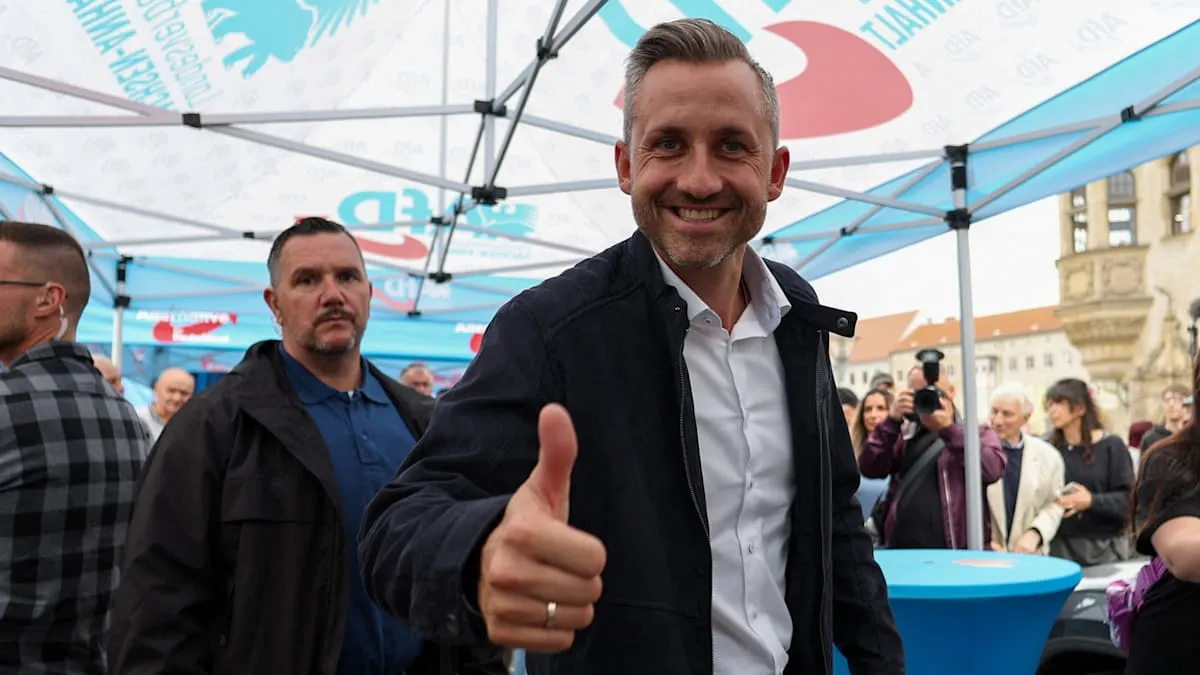
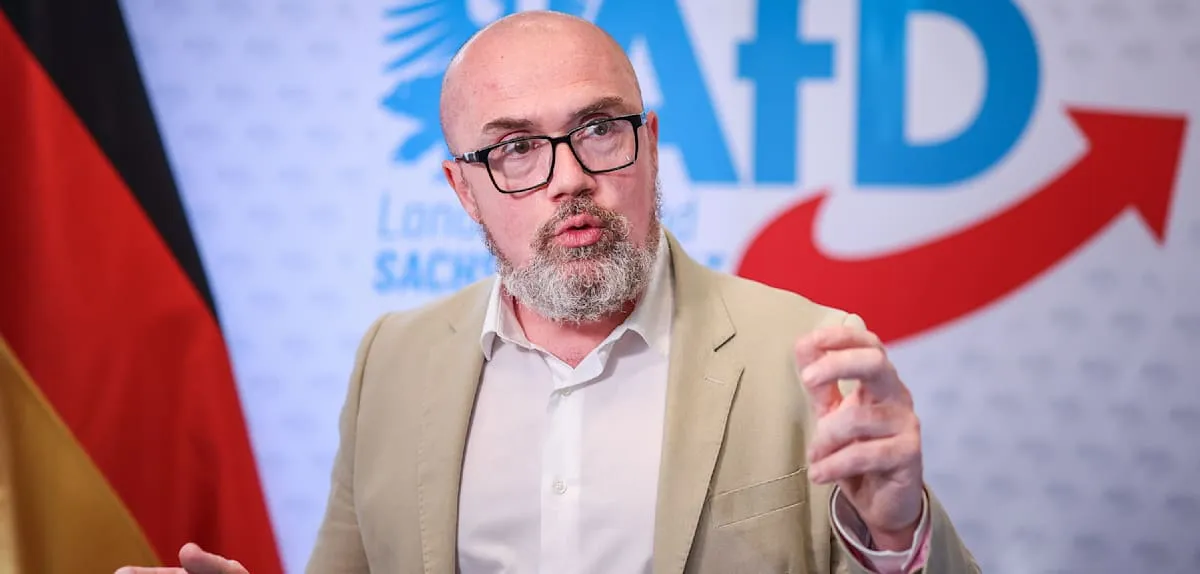
Sachsen-Anhalt – The German political stage is once again shaken by a surprising incident leading up to the 2026 Sachsen-Anhalt state election. A local mayor, a member of the Christian Democratic Union (CDU) party, made a controversial decision by providing a financial donation of 10,000 Euros, equivalent to approximately IDR 160 million, to the rival party, Alternative for Germany (AfD). This action, which he described as a result of deep frustration with his own party, has sparked intense debate and questions about the direction of conservative politics in Germany.
This radical decision was announced directly by the mayor shortly before the regional general election. In his statement, the unnamed donor emphasized that this step was taken consciously and after careful consideration. It was a conscious step, taken after careful deliberation out of deep concern for our country, according to a quote from the mayor's statement that has widely circulated in local German media.
This extraordinary donation is not just a figure; it is a strong symbol of deep-seated internal dissatisfaction within the CDU. This frustration is believed to be related to the party's policies, which are seen as too moderate or having lost their conservative identity, thus no longer representing the aspirations of traditional constituents.
Political observers believe that this incident is a severe blow to the CDU, especially in the Sachsen-Anhalt region, known as one of the conservative strongholds. Historically, this region has a more conservative political leaning compared to western German states, making it fertile ground for the growth of populist and far-right sentiments.
Ahead of the state election, public sentiment in Sachsen-Anhalt indeed shows a significant increase in support for the AfD. The right-wing party has successfully attracted many voters with critical narratives on immigration, energy policy, and the political status quo. This donation from a CDU figure indirectly reinforces the AfD's narrative that even among politicians of established parties, there are serious doubts about the current leadership.
Reactions from within the CDU were inevitable, ranging from strong condemnation to efforts to calm the situation. Most party leaders regretted the mayor's actions, calling it a betrayal of party principles and solidarity. They emphasized the importance of maintaining unity amid increasingly complex political challenges.
On the other hand, the AfD welcomed this donation with open arms, using it as rhetorical ammunition to attack their political opponents. An AfD spokesperson in Sachsen-Anhalt stated that this donation is clear proof that more and more politicians from established parties are secretly supporting their vision for Germany's future.
This event also highlights a broader trend in the German political landscape: the erosion of trust in traditional parties. The public is now seeking alternatives that are perceived as more decisive and courageous in voicing their disappointment with the country's direction. For a similar case, it was reported that a CDU politician from Stendal also financed an AfD rival with the same amount, indicating that this incident is not a single anomaly but a manifestation of broader political unrest.
Sachsen-Anhalt itself has a dynamic political history since German reunification. The state has witnessed various coalitions and shifts in power, but the rise of the AfD as a significant political force has been the most striking phenomenon in recent years. The 2026 election is predicted to be a crucial barometer for measuring the extent of AfD's influence.
The long-term implications of the mayor's actions could be very significant. Besides exacerbating the situation before the election, this incident has the potential to spark more internal debates within the CDU regarding their strategy to confront right-wing populism. Should they shift further to the right to win back disillusioned voters, or maintain their centrist position?
This donation case is a tangible reflection of the turmoil in European democracies, where established parties struggle to maintain their dominance in the face of new waves of identity politics and populism. The ideological battle is no longer just between parties, but often occurs within the parties themselves.
Editorial Insight: This donation incident is not just a transfer of money; it's a loud alarm for the CDU and Germany's mainstream parties. It indicates that the erosion of trust is not only happening at the voter level but has permeated even core party cadres. The failure of traditional parties to effectively address public concerns, particularly regarding immigration and the economy, creates space for parties like the AfD to thrive. The CDU needs to conduct deep introspection and formulate more effective communication strategies, or risk losing more loyal supporters in the future. This event also signals a paradigm shift in German politics, where party loyalty is becoming increasingly fragile amidst rising polarization.