 Stefani Rindus
BERLIN — Germany's political stage is once again in flux following the release of Insa's latest 2026 poll results, which reveal significant shifts in public figures' popularity. Former Union faction leader, Jens Spahn, surprisingly plummeted to the very bottom of the most-liked politicians list. This drastic decline is strongly linked to the controversy surrounding the issue of surrogacy, which previously triggered a political storm. Conversely, AfD leader, Alice Weidel, successfully climbed to fourth place, and FDP politician, Wolfgang Kubicki, also recorded an increase in public support.
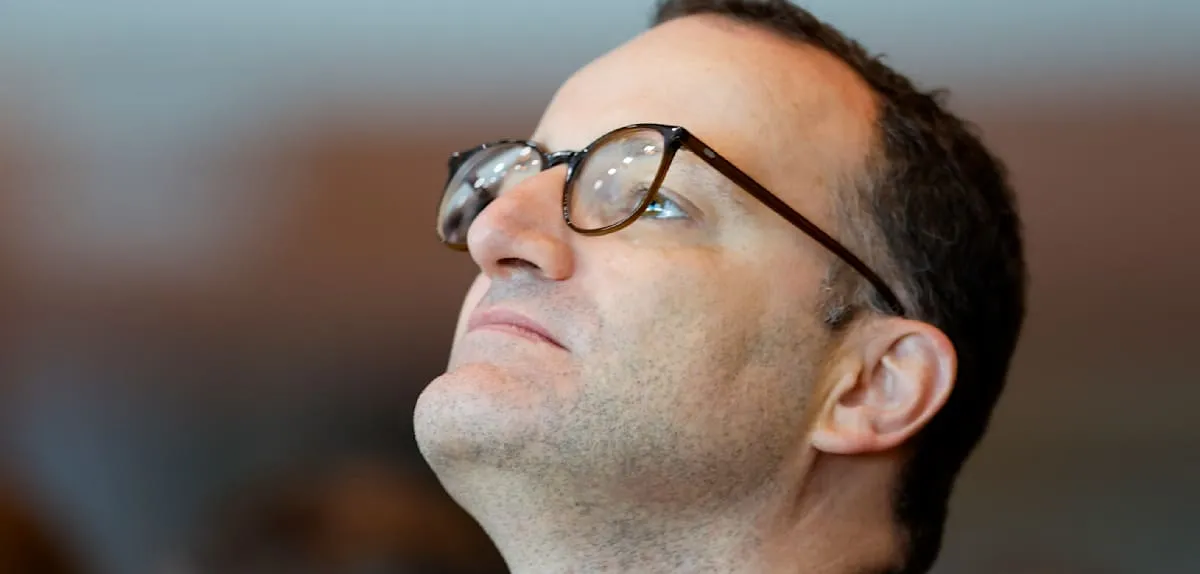
Jens Spahn's downfall is the main highlight of this survey release. After once being among the top influential politicians, Spahn now faces the bitter reality at the bottom of the popularity pyramid. Since Spahn's resignation from his position as leader of the German Union parliamentary group, the fierce debate surrounding surrogacy involving him has continued to overshadow his public image. This event has been extensively covered, including in our previous report German Political Storm: Jens Spahn's Resignation Triggers Fierce Surrogacy Controversy, which discussed the impact of the polemic.
On the other side of the political spectrum, Alice Weidel of the Alternative for Germany (AfD) showed impressive performance by soaring to fourth place. This achievement is a strong indication of increasing acceptance of the right-wing party within German society. The AfD, often the subject of controversy, has successfully leveraged political dynamics and public sentiment to solidify its position on the national stage.
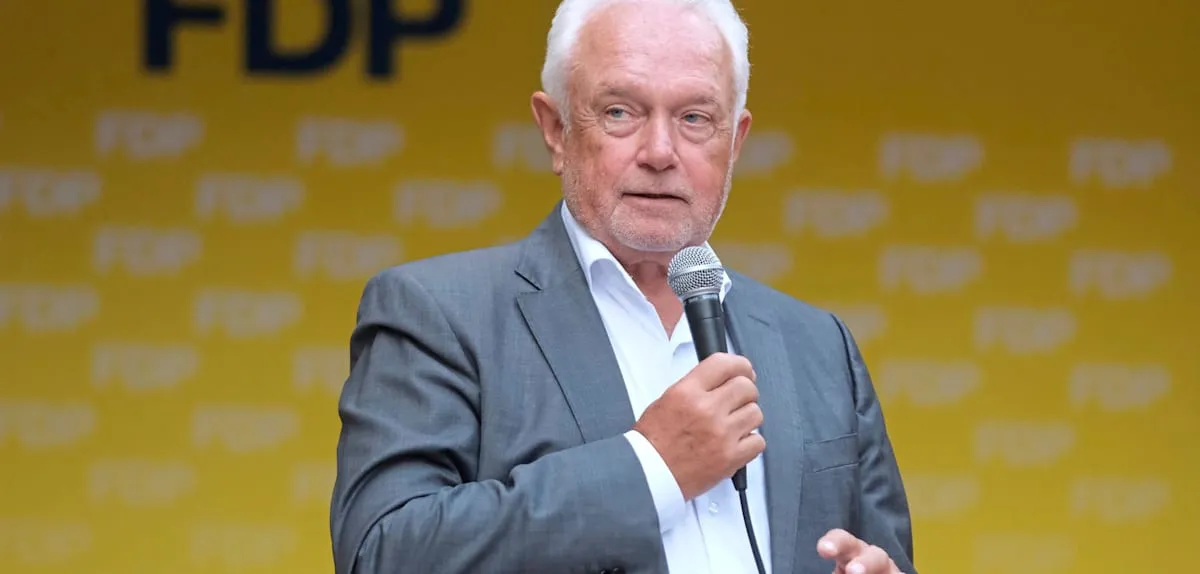
Not only Weidel, but Wolfgang Kubicki, a key figure from the Free Democratic Party (FDP), also experienced a significant increase in popularity. This rise positions him as one of the politicians to be reckoned with in Germany's current political configuration. Kubicki is known for his forthright speaking style and often voices bold views, characteristics that apparently resonate with a segment of voters.
The periodic survey conducted by the public opinion research institute Insa holds significant weight in gauging the pulse of German politics. Its meticulous sampling methods and comprehensive data analysis often make Insa's results a primary reference for political observers and the media. This latest release, the first measurement of politician popularity after Spahn's surrogacy debate, provides a clear picture of the issue's impact on public perception.
This shift reflects complex dynamics within Germany's political landscape in 2026. Traditional parties like the CDU/CSU (from which Spahn originated) and the SPD continue to struggle to maintain relevance in the face of an increasingly fragmented public seeking alternatives. The rise of the AfD and FDP in the popularity of their individual key figures indicates disillusionment with the ruling coalition parties or at least a desire for bolder and different leadership.
For Jens Spahn, these survey results are undoubtedly a severe blow. His political future will heavily depend on his ability to rehabilitate his image and find new platforms to regain public trust. The surrogacy issue, although personal, has transformed into a significant political burden, demonstrating how aspects of a politician's private life can drastically affect their professional career.
The phenomenon of Alice Weidel's surge merits serious attention. The AfD continues to build momentum, particularly amidst issues like migration, inflation, and energy transition, which are primary concerns for society. Although the party is often criticized for its controversial rhetoric, the Insa survey shows that its support base is becoming more solid and capable of attracting sympathy from a broader segment of voters.
Kubicki's rise also underscores the FDP's role as a key player often balancing government coalitions. The success of FDP figures like Kubicki in remaining relevant and popular amidst political turmoil suggests that their liberal and free-market economic agenda still holds appeal for a significant portion of German voters.
Overall, this latest Insa survey release is more than just popularity figures. It is a reflection of deeper shifts in public sentiment, potential changes in Germany's political configuration, and a signal of significant challenges for established parties in confronting new political forces that continue to grow. Internal and external party debates, such as those experienced by Spahn, will continue to shape Germany's political roadmap in the coming years.