 Dorry Archiles
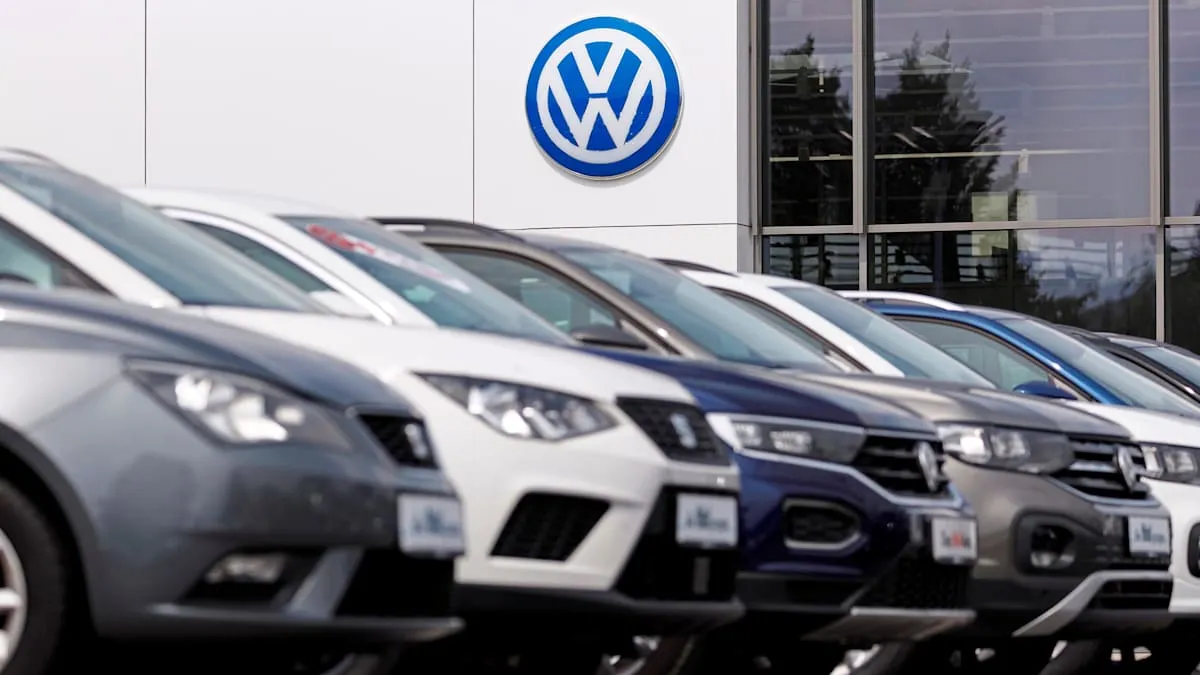
GERMANY – Global automotive giants, Volkswagen (VW) and Audi, have announced a recall of over 2.8 million vehicles worldwide. This massive decision comes after the discovery of potentially fatal defects in the steering gear screw connection, posing a significant risk to driver safety. Germany, a core market, is the most heavily affected region, with nearly one million vehicles slated for repair. This incident emerged in early 2026, sparking serious concerns among vehicle owners and regulators.
This recall encompasses various models from both renowned brands produced within a specific period. Specifically, almost one million vehicles currently on German roads must return to authorized workshops for inspection and replacement of the faulty component. The global scale of the recall indicates the complexity of a manufacturing issue that may be widespread.
The core problem lies in the assembly of the screw connection on the steering gear. Internal investigations and field reports indicate that these connections may not have been installed to correct specifications, potentially leading to loosening over time. This loosening could result in a loss of steering control, a highly dangerous scenario.
The risk of steering failure is certainly not a trivial matter. At high speeds or during sudden maneuvers, losing control of the steering system can be fatal, leading to serious accidents. The manufacturers emphasize that this recall is a preventive measure aimed at ensuring the safety and security of all their customers.
Consumers worldwide, particularly in Germany, are now obligated to check their vehicle status and schedule repairs. While this is an essential step, mass recalls often cause inconvenience, long queues at workshops, and potential mobility disruptions for millions of Volkswagen and Audi car owners.
In response to this situation, the Volkswagen Group has expressed full commitment to resolving the issue as quickly as possible. Repair processes will be conducted at no cost to vehicle owners. They have also activated dedicated customer service channels to provide accurate information and facilitate repair scheduling.
In the history of the automotive industry, vehicle recalls due to technical issues are not new. However, a volume reaching millions of units and involving a component as critical as steering makes this a significant event. Similar cases in the past have underscored the importance of meticulous precision at every stage of production.
The impact of this recall extends beyond operational aspects. The reputation of the Volkswagen and Audi brands, known for quality and precision engineering, is potentially shaken. Consumer trust, built over years, is at stake in how the company manages this crisis transparently and efficiently.
Transportation regulatory authorities in Germany and several other countries are expected to closely monitor the implementation of the recall and repair processes. Vehicle safety standards are a top priority, and any manufacturing negligence endangering the public will receive serious government attention.
For concerned Volkswagen or Audi vehicle owners, it is advised to promptly visit the manufacturer's official website or contact the nearest dealer. The company will provide an online tool to check if their Vehicle Identification Number (VIN) is included in the recall list.
This incident serves as a crucial reminder to all automotive manufacturers regarding the essence of stringent quality control across every production line. Technological innovation must always be balanced with uncompromised safety standards to protect consumers.
Editorial Insight: This incident of VW and Audi recalling millions of vehicles highlights the perennial dilemma between mass production efficiency and the reliability of critical components. While the recall itself is a commendable proactive measure, its implications for brand trust and long-term costs for the manufacturers will be substantial. It may also trigger heightened scrutiny from global regulators on supply chains and quality standards within the automotive industry.