 Stefani Rindus
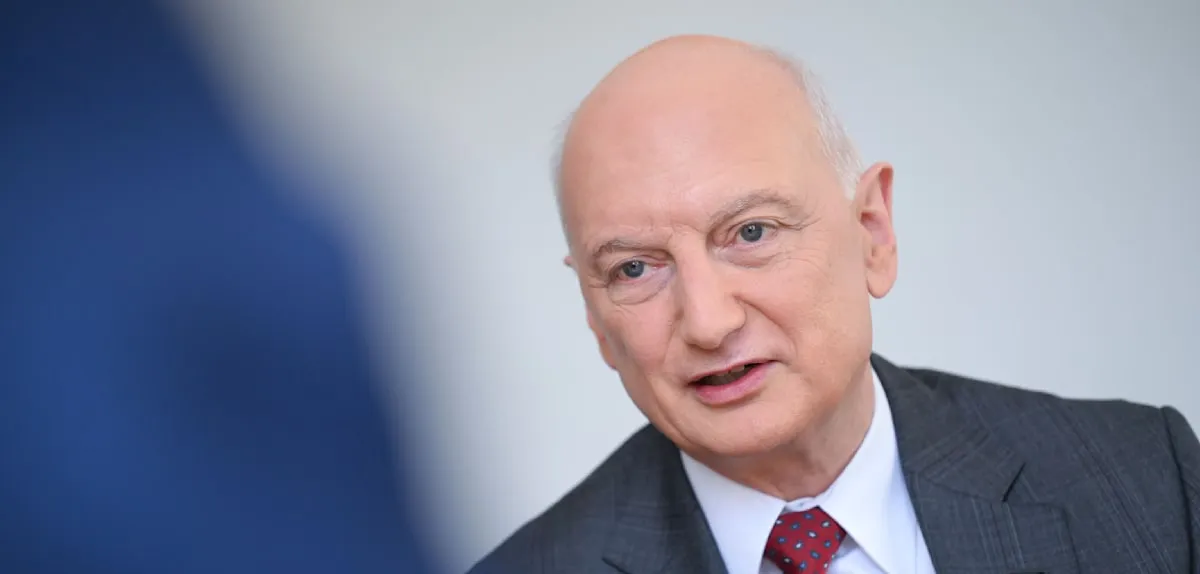
FRANKFURT – Germany's economic climate is entering a crucial phase ahead of wage negotiations in the metal and electrical industry scheduled for autumn 2026. Nikolas Stihl, a prominent entrepreneur, has surprisingly put forward a radical demand: the abolition of the 35-hour work week scheme. Stihl insists that employees must be willing to work longer hours without additional wage compensation, a proposal that could trigger major unrest in an already tense labor market.
Stihl, through his statement, argued that German companies no longer have the financial capacity to maintain the 35-hour work week standard. This demand reflects deep economic pressures, highlighting challenges in global competitiveness and continuously rising operational costs.
This proposal is certainly not the first of its kind to emerge in the German industrial landscape. For years, various parties in business circles have voiced similar concerns, viewing the 35-hour scheme as a burden hindering growth and innovation. However, the timing of Stihl's demand now, ahead of collective wage negotiations, lends significant political and economic weight.
The 35-hour work week system has long been a crucial pillar for worker welfare in Germany's metal and electrical industries. This scheme is the result of long struggles by labor unions and has become a symbol of commitment to quality of life and work-life balance. Therefore, Stihl's proposal is certain to face fierce resistance from unions.
Industry and employer associations argue that increased productivity is essential to maintain Germany's position as a global economic power. They contend that flexible working hours and increased output without rising labor costs are vital steps to overcome stagnation and enhance corporate profitability.
However, from the perspective of labor unions, any change to working hours without fair compensation is a form of exploitation. They will likely emphasize the importance of worker rights and social protection, and demand guarantees that productivity gains will be distributed fairly among employees.
Debates surrounding working hours and wages reflect a broader dilemma within the German economy, often criticized for bureaucracy and slow infrastructure adaptation. Issues like these have been raised in other articles regarding entrepreneurial criticism of national conditions, such as in the report titled Germany a 'Banana Republic'? Entrepreneurs Criticize Slow National Infrastructure.
The upcoming wage negotiations are expected to be among the most challenging in modern German industrial history. The outcome of these negotiations will not only determine the fate of thousands of workers and companies but also shape the direction of labor policies and the investment climate in the country for years to come.
Economic analysts predict that Stihl's demands could trigger a series of protests or even strikes if labor unions feel their members' rights are threatened. The stability of industrial relations will be tested as both sides try to find common ground between demands for efficiency and social justice.
The implications of changing working hours without wage compensation could be far-reaching, affecting public purchasing power, consumption levels, and ultimately, overall economic growth. The decisions made in these negotiations will serve as an important barometer for Germany's readiness to face the economic challenges of the 21st century.
Editorial Insight: Nikolas Stihl's demand marks a significant escalation in German industrial relations tension. While the reasoning behind the demand may be rooted in economic competitiveness, its impact on worker morale and welfare cannot be ignored. This conflict has the potential to redefine the social contract between capital and labor in one of Europe's largest economies, setting a precedent for similar debates in other developed nations. The ability of negotiators to find sustainable and equitable solutions will be crucial for Germany's stability and future economic prospects.