 Chandra Wijayanto
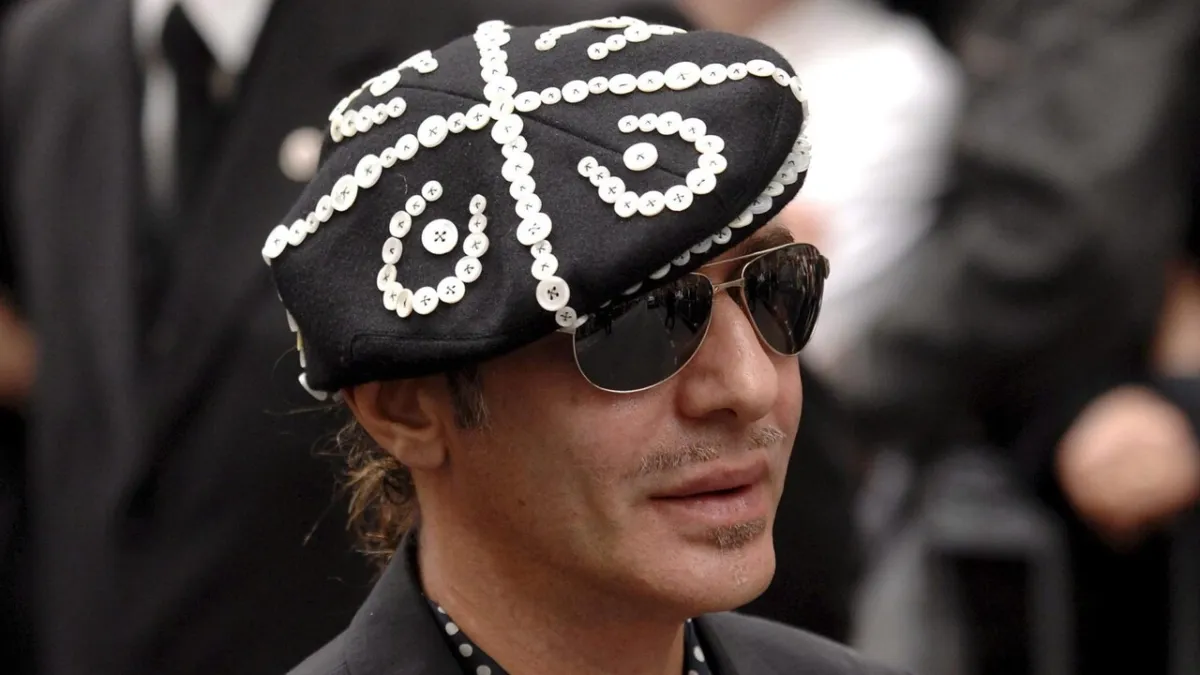
New York—The Metropolitan Museum of Art, through The Costume Institute, has once again drawn the attention of the art and fashion world after announcing a solo exhibition spotlighting the work of controversial designer John Galliano, sparking fierce debate about the rehabilitation of a figure once embroiled in antisemitic scandal. This decision, announced in early 2026, is seen as challenging public opinion and questioning the ethical boundaries of artistic appreciation, given that Galliano was previously fired from Dior for offensive statements and support for Nazi ideology.
The exhibition is scheduled to open in mid-2026, focusing on Galliano's career trajectory from his early emergence to his peak at fashion houses Givenchy and Dior, as well as the moments after his downfall. The Costume Institute curators stated that the exhibition aims to explore the complexity of the designer's creativity without ignoring the controversial aspects of his past behavior.
John Galliano, known for his dramatic and theatrical design style, experienced a drastic downfall in 2011. An incident in a Paris café, where he made antisemitic and racist remarks, was caught on camera and widely disseminated. The event led to his dismissal from his position as creative director at Christian Dior and his eponymous brand, marking a dark chapter in contemporary fashion history.
Public reaction at the time was very strong. Galliano faced legal action and was accused of public insults that incited hatred. Jewish communities and human rights organizations condemned his actions, calling for boycotts and a re-evaluation of ethics within the fashion industry, which often idolizes designers without regard for morality.
Following the incident, Galliano underwent a long period of rehabilitation, including therapy and public apologies. He gradually returned to the fashion industry, starting with smaller roles before eventually being appointed creative director of Maison Margiela in 2014, a move that also drew criticism.
The Met, through The Costume Institute Director Andrew Bolton, argued that the exhibition is an opportunity to comprehensively analyze Galliano's creative legacy. "We do not intend to justify or ignore his past actions," Bolton stated in a virtual press conference. "However, we believe it is important to understand how an artist with extraordinary vision can stumble, and how we, as an institution, deal with such complexities."
However, the decision was not well received by all parties. Several art critics and activists accused The Met of attempting to whitewash Galliano's image and prioritizing aesthetics over ethics. They argued that giving a major platform to a figure proven to have committed hate speech could be seen as a form of normalization or disregard for the social impact of such actions. "This sends the wrong message," said a leading fashion critic, "that talent can justify any moral transgression."
The question of "why now?" is at the heart of the debate. Some speculate that The Met, which relies financially on the appeal of major exhibitions, views Galliano as an undeniable visitor magnet, regardless of the controversy surrounding him. This has sparked further discussion about the commercialization of art and the social responsibility of cultural institutions.
Issues concerning the rise of extremism and neo-fascist ideologies are also relevant in this context. As highlighted in an article regarding the 46th Bologna Anniversary, the fight against the threat of hateful ideologies remains an eternal task. Galliano's exhibition, by some accounts, is seen as a test of how far society and institutions can separate the work from its creator when morality is at stake.
Galliano's case is not unique. The art and cultural world often faces similar dilemmas, such as how to treat the works of great artists who have committed crimes or hold questionable moral views. This debate reflects the push and pull between freedom of expression, artistic value, and ethical responsibility.
The Met now faces a significant challenge in balancing the spotlight on Galliano's creative genius with transparent acknowledgment of his transgressions. This exhibition will serve as a barometer for the public and critics to assess whether The Met succeeds in presenting an honest and balanced narrative, or falls into the trap of controversial glorification.
Whatever the outcome of this debate, the John Galliano exhibition at The Met in 2026 is sure to ignite broader discussions about the role of art institutions in society, the boundaries between art and morality, and the potential for rehabilitation for individuals who have fallen into deep controversy. This is a crucial episode testing the collective conscience of the fashion and art industries.