 Debby Wijaya
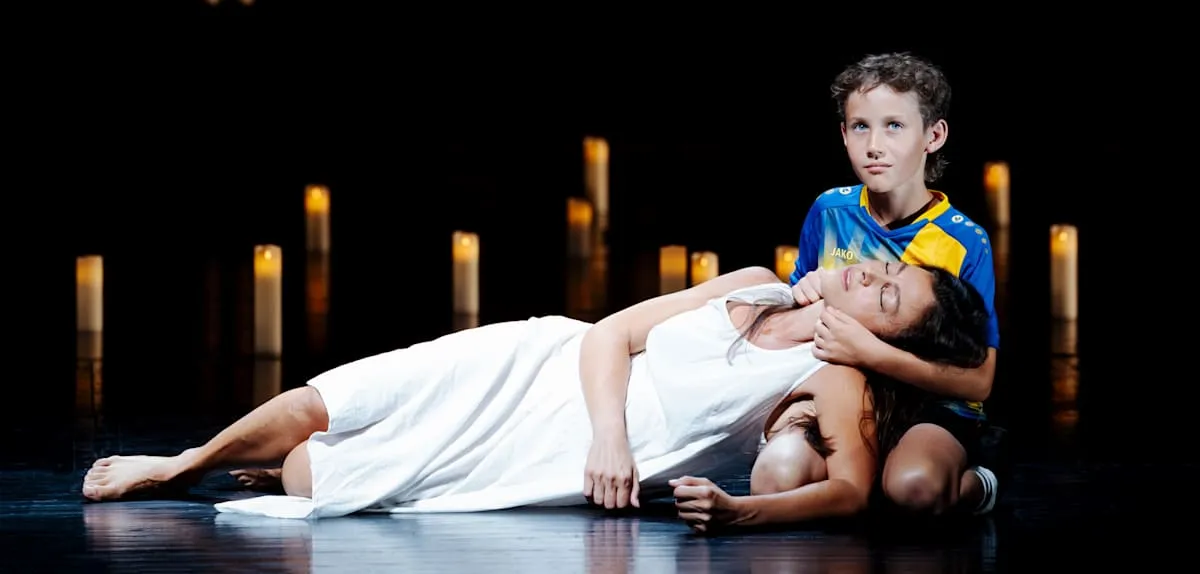
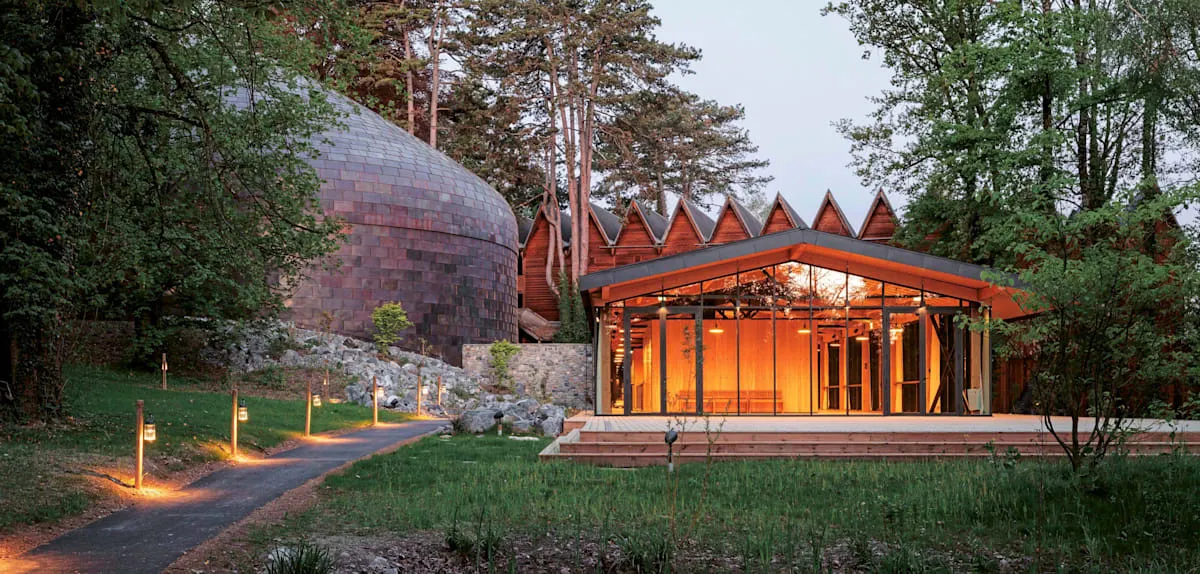
Tirol, Austria — The Tiroler Festspiele 2026 has once again cemented its position as one of the world's most captivating opera beacons, drawing thousands of art enthusiasts from across the globe. Under the visionary leadership of Intendant Jonas Kaufmann, this festival not only enchants audiences with prime performances but also generates such powerful euphoria that the allure of the Salzburg Festival reportedly no longer sways the Intendant's commitment to this Alpine event. The second program presented by Kaufmann this year, marked by a recurring tragic narrative of a woman's suicide, has elicited an extraordinary reception from global audiences.
The grand spectacle in the heart of Tyrol has successfully captured international attention. The unique programming offered by Kaufmann, especially the courage in exploring profound themes, stands as a primary draw. This festival has proven that artistic quality and innovative interpretations can stand shoulder-to-shoulder, even surpassing legendary reputations.
Jonas Kaufmann's presence as Intendant in recent times has indeed brought a fresh breeze to the Tiroler Festspiele. This legendary tenor not only injects global prestige but also a bold and progressive artistic vision. Under his direction, the festival is unafraid to challenge conventions, presenting works that are both emotionally stirring and intellectually engaging.
Kaufmann's approach to program curation demonstrates a profound understanding of the essence of human drama. By repeatedly featuring scenes of a woman's suicide, the festival does not merely shock, but rather compels the audience to reflect on the fragility of existence, societal burdens, and the search for meaning amidst despair. This interpretation demands emotional maturity from both artists and audience.
The soloists, orchestra, and production team work in synchronicity to bring Kaufmann's vision to life. Every detail, from minimalist stage designs to dramatic lighting, is crafted to enhance the emotional narrative. The vocal quality of the singers and the musical interpretation of the orchestra have garnered special praise, successfully conveying the story's depth without sacrificing artistic elegance.
Public response to this artistic bravery has been overwhelmingly positive. Audience enthusiasm is clearly evident through the cheers and acclaim resonating at the end of each performance. This phenomenon indicates that modern opera audiences crave experiences beyond mere aesthetics; they seek emotional resonance and contextual relevance.
Comparisons with the Salzburg Festival, long considered the highest benchmark in the opera world, are inevitable. The statement that Kaufmann feels “untempted” by Salzburg is not mere rhetoric but a reflection of his conviction in the potential and quality inherent in the Tiroler Festspiele. This marks a shift in perception within the hierarchy of European opera festivals.
The natural beauty of Tyrol with its Alpine mountains also adds to the festival's appeal. Visitors are treated not only to world-class opera performances but also to a holistic cultural experience amidst breathtaking landscapes. This factor strengthens the argument that a trip to Tyrol to witness this festival is truly worthwhile.
With a strong program and decisive leadership, the Tiroler Festspiele under Kaufmann appears set to continue making history. The festival has the potential to become a must-visit destination for opera and culture lovers from all corners of the world. Its reputation continues to grow, setting new standards for innovation and artistic excellence.
This success serves as clear proof that artistic courage, combined with capable management, can create a cultural phenomenon that surpasses expectations. The Tiroler Festspiele 2026 has sent a powerful message worldwide that the essence of art lies in its ability to touch the soul and challenge the mind, wherever it may be found.