 Debby Wijaya
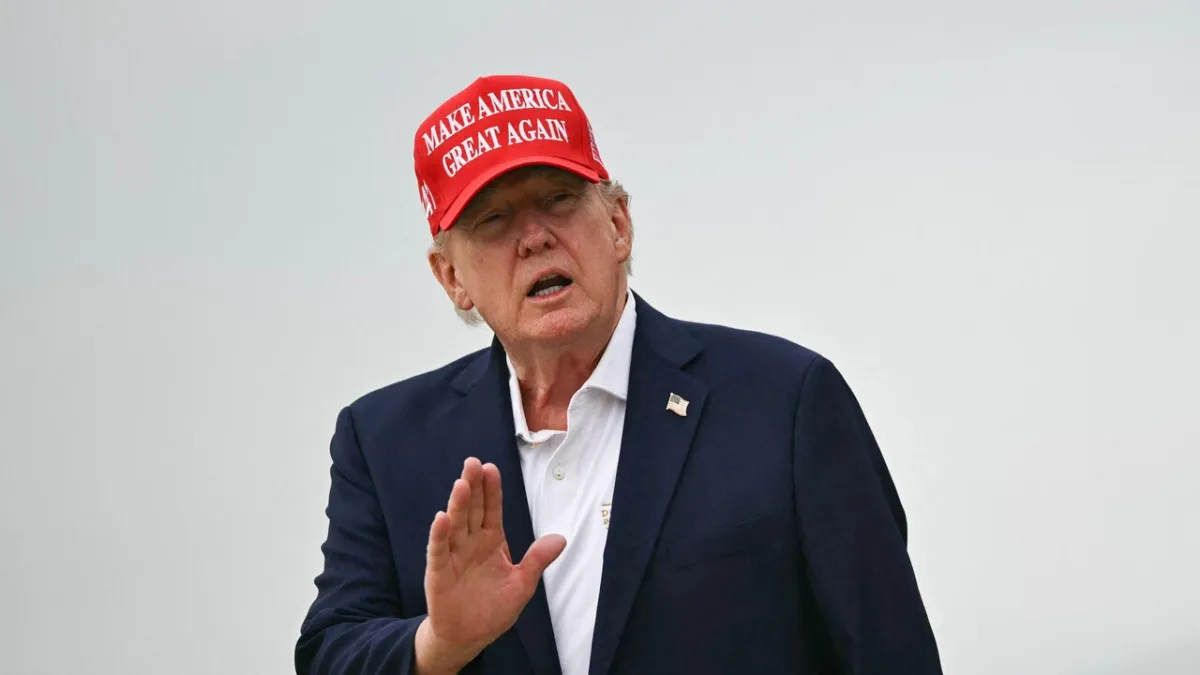
WASHINGTON – U.S. President Donald Trump has called for Israel to exercise restraint from launching attacks on Gaza, a statement reflecting efforts to de-escalate tensions in the Middle East. This appeal emerges as aggressive rhetoric escalates from Tehran, which threatens to intensify attacks in the Strait of Hormuz should diplomatic channels with Washington fail, even issuing an ultimatum to bomb Oman if it attempts to interfere in those strategic waters.
This statement from the White House arrives amidst intensifying regional turmoil, highlighting the United States' efforts to balance its historical support for Israel with the imperative for stability. Trump affirmed that a better approach for all parties would be to avoid further military escalation in Gaza, signaling concerns over humanitarian consequences and the potential for broader regional destabilization.
President Trump's stance indicates a nuanced shift in U.S. foreign policy, often perceived as strongly pro-Israel. Geopolitical analysts interpret Trump's insistence as a pragmatic attempt to maintain momentum in the sensitive negotiations in Gaza, which currently stand at a critical juncture.
Concurrently, Tehran's response to the global geopolitical situation is growing increasingly alarming. A high-ranking Iranian official, unnamed, issued a stern declaration regarding the Strait of Hormuz, the world's vital oil shipping lane. The threat was explicit: Iran will intensify attacks in these strategic waters if diplomatic efforts with the United States fail to yield results.
The threat did not cease there. The Iranian official also explicitly stated, 'We will bomb Oman if it interferes in Hormuz.' This statement signifies a significant escalation in aggression, targeting a relatively stable neighboring country in the region, and potentially dragging Oman into the vortex of regional conflict.
The Strait of Hormuz holds undeniable global significance. As a maritime choke point, approximately one-third of the world's total oil trade passes through this 39-kilometer-wide strait daily. Any disruption in the Strait of Hormuz could trigger a surge in global oil prices and threaten international energy security.
This Iranian rhetoric directly pressures Washington to continue or revive stalled diplomatic efforts. A failure of diplomacy, according to Tehran, would serve as a trigger for more extreme military actions. This constitutes an Iranian tactic to assert its regional dominance and pressure the U.S. to meet certain demands within the framework of negotiations.
While Trump advises Israel to show restraint, the U.S. administration's attention is also divided by Iran's increasingly bold threats in the Gulf waters. The dilemma for Washington is how to respond to Iran's threats without exacerbating existing tensions in Gaza, creating a situation that demands extremely careful diplomatic maneuvering.
These statements collectively raise the geopolitical temperature in the Middle East. Gulf countries, particularly Oman which is now directly threatened, are undoubtedly monitoring this situation with high vigilance. Regional stability, always fragile, now faces new challenges with the potential for escalation on two fronts simultaneously: the Israeli-Palestinian conflict and tensions in the Strait of Hormuz.
The domino effect of these threats could be far-reaching. Global energy markets will react to any indication of military conflict in Hormuz. Meanwhile, every move by Israel in Gaza will be closely watched by the international community, especially following direct urgings from the U.S. President himself.
Editorial Insight: The combination of Trump's cautionary statement toward Israel and Iran's explicit threats against Oman and Hormuz underscores the complex dynamics of the Middle East in 2026. These are not mere empty threats; this is a power play that stakes global stability, the energy economy, and thousands of lives. The Trump administration faces a severe test: how to prevent escalation at both these flashpoints while safeguarding U.S. strategic interests. A failure of diplomacy in Hormuz could trigger far greater consequences than a localized conflict.