 Edward DP Situmorang
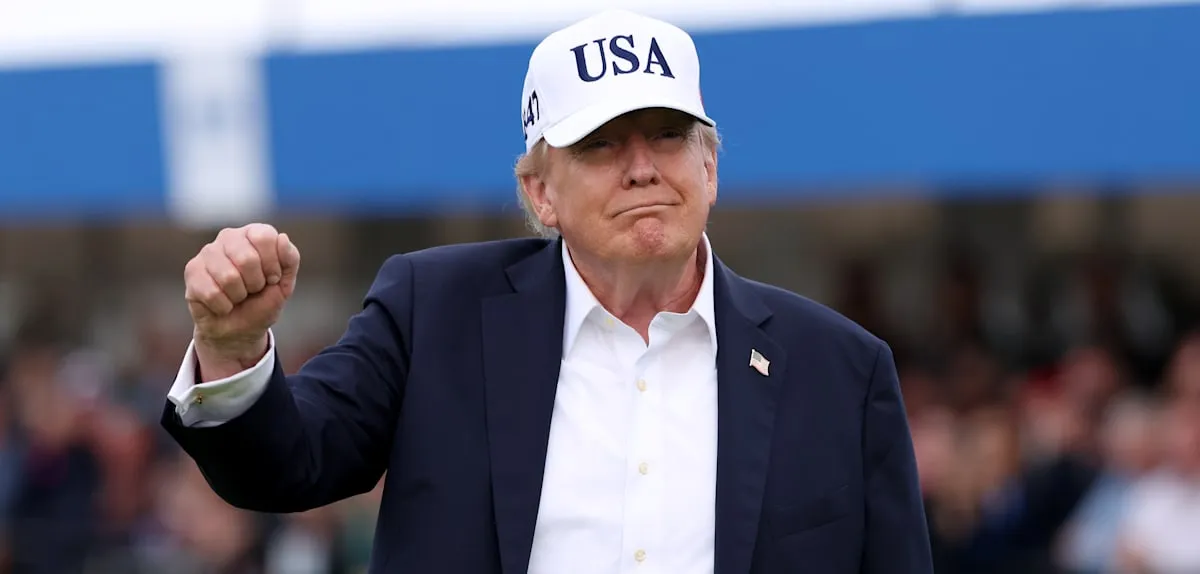
ABU DHABI – Geopolitical tensions in the Persian Gulf reached a new boiling point following a provocative act by US President Donald Trump, who shared a map claiming the Strait of Hormuz as part of US territory in early 2026. This action was immediately met with a strong response from Iran, launching missile attacks towards the United Arab Emirates, igniting global fears of military escalation in the world's vital shipping lane.
The map uploaded by Trump on his social media platform showed an aggressive claim over the strategic strait, which has historically been the lifeline of global oil trade. Many consider this action a deliberate challenge to Iran's sovereignty and international maritime law.
Tehran's reaction came without delay. Regional intelligence sources reported several Iranian missiles were fired towards areas around the United Arab Emirates. Although there have been no official reports of impact or casualties, this incident clearly serves as a stern warning from the Islamic Republic of Iran.
Iran's Foreign Ministry spokesperson, Bahram Qassemi, in a press statement, condemned Washington's actions as a 'blatant violation of state sovereignty and an irresponsible provocation.' He asserted that Iran would 'protect its territorial integrity and interests by all necessary means.'
The United Arab Emirates promptly issued a security alert to its citizens and urged the international community to mediate this increasingly volatile situation. The missile incident triggered panic in global financial markets, particularly the energy sector, with crude oil prices soaring significantly.
International political analysts highlight that Trump's claim over the Strait of Hormuz could mark a new chapter in the prolonged conflict between the US and Iran. This strait is a narrow passage connecting the Persian Gulf to the Arabian Sea, through which approximately one-fifth of the world's oil supply passes daily.
A territorial claim over waters historically and legally recognized as international, even by the UN, is an unprecedented move. This decision questions Washington's commitment to global maritime conventions and sets a dangerous precedent.
Previously, the Strait of Hormuz has been a flashpoint multiple times, including incidents of tanker attacks and Iran's threats to close the strait in retaliation for economic sanctions. One related article even discussed 'Hormuz Heats Up: Ship Hit by Projectile, Tehran Threatens to Close Vital Strait' in previous years. Hormuz Heats Up: Ship Hit by Projectile, Tehran Threatens to Close Vital Strait. This indicates a recurring pattern of tension.
President Donald Trump's administration has not provided further explanation regarding the legal basis behind the map claim. However, White House advisors anonymously stated that this is part of a 'maximum pressure strategy' against Iran.
The impact of this escalation is expected to extend beyond regional stability, potentially shaking the still-fragile global economy. Major oil-importing nations like China and India have called for all parties to exercise restraint and resolve differences through diplomatic channels.
Foreign ministers from several European countries are scheduled to hold an emergency meeting to discuss de-escalation measures, fearing that armed conflict could spread to other regions.
Indonesian President, Prabowo Subianto, through his presidential spokesperson, expressed deep concern over the situation and urged that dialogue be the top priority to avoid a larger conflict.
Editorial Insight: President Trump's action claiming the Strait of Hormuz as US territory is a highly dangerous provocation, disregarding international norms and risking direct conflict. Iran's missile response demonstrates Tehran's readiness to defend its position. The world now holds its breath, waiting to see if this crisis can be defused through diplomacy, or if it will drag the Gulf region into an open war with global repercussions, including energy and economic crises. Unfounded territorial claims will only exacerbate the situation.