 Gabriella
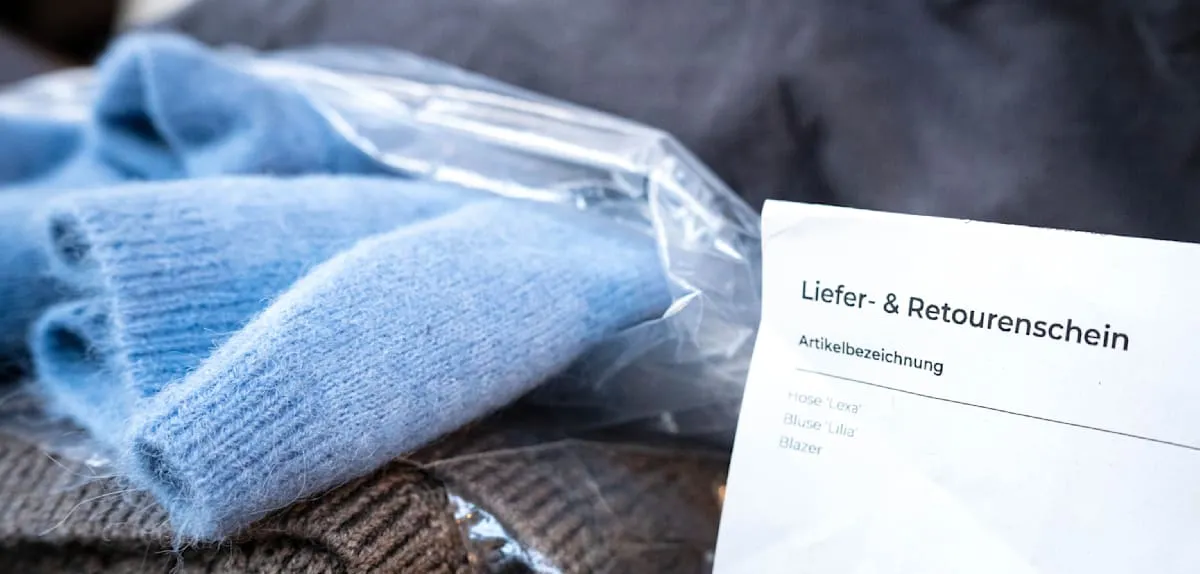
BRUSSELS — The European Union (EU) in 2026 officially implemented a revolutionary regulation, prohibiting large companies from destroying unsold new clothing. This decision, announced from the heart of European legislation, emerges as a crucial response to highly unsustainable practices in the fashion industry, obliging companies to resell or donate these items for environmental sustainability. However, beneath this ambitious pursuit of sustainability, a significant legal loophole potentially undermines the effectiveness of this new policy.
This progressive step marks a paradigm shift in the retail and fashion sectors, which for years have been criticized for their massive contribution to global waste. With millions of tons of new clothing ending up in landfills or being incinerated annually, public and environmental activist pressure has escalated, urging EU authorities to take decisive action.
The latest regulation explicitly targets giant corporations with specific turnovers and production scales, exempting micro and small enterprises from direct obligations in the initial implementation phase. This is intended to provide adaptation space for smaller businesses, while the primary burden of responsibility is placed on major players with significant ecological footprints.
European Commission spokesperson, Eleanor Vance, at a press conference in Brussels, stated, "We can no longer tolerate wasteful practices that harm the planet. New clothing holds value, and we must ensure that value is fully utilized, not simply discarded." Vance's statement reaffirms the world's largest economic bloc's commitment to the circular economy agenda.
The fashion industry now faces a major challenge to overhaul its supply chains and inventory management strategies. Alternatives such as massive discounts, flash sales, or even clothing rental schemes are expected to become more prevalent as efforts to comply with regulations and reduce stock piles.
Donation programs to charitable organizations or sales to secondary markets are also options strengthened by the new rules. Non-profit organizations hope that an increase in the supply of high-quality clothing will help them serve more communities in need, creating a positive social impact from this environmental policy.
Nevertheless, sharp scrutiny is now focused on the 'legal loophole' embedded within the regulation. Some environmental legal experts and industry observers identify that the definition of 'large company' could be a threshold vulnerable to manipulation, or that certain types of materials or product categories might have unclear exemptions.
"Without a very strict definition and careful oversight, cunning companies might find ways to circumvent this obligation," said Dr. Klaus Richter, a professor of environmental law from Heidelberg University, in an online interview. He emphasized the need for continuous revision and strong legal enforcement.
The economic implications of this policy are substantial. Some manufacturers may face increased operational costs due to changes in logistics and sales strategies. However, on the other hand, innovation opportunities arise for companies focusing on textile recycling, repair, and circular business models.
This policy also sends a strong message to the global market, encouraging countries outside the European Union to consider adopting similar regulations. This could trigger a wave of sustainability reforms in the international fashion industry, changing production and consumption patterns worldwide.
The long-term impact on consumers is also significant. With reduced destruction of goods, the availability of more affordable fashion products through resale or donation channels is expected to increase, while also raising public awareness about the importance of responsible consumption.
Climate activists and environmentally conscious consumers welcome the EU's move, seeing it as an important victory in the fight against the exploitative 'fast fashion' culture. They hope this regulation sets a precedent for other sectors, such as electronics or food, to adopt similar practices.
The European Union has long been at the forefront of setting global environmental standards, and this unsold clothing regulation is testament to their ongoing commitment. However, the journey towards a fully sustainable industry is still long, and the effectiveness of these rules will heavily depend on how the existing 'legal loophole' is addressed in the future.