 Stefani Rindus
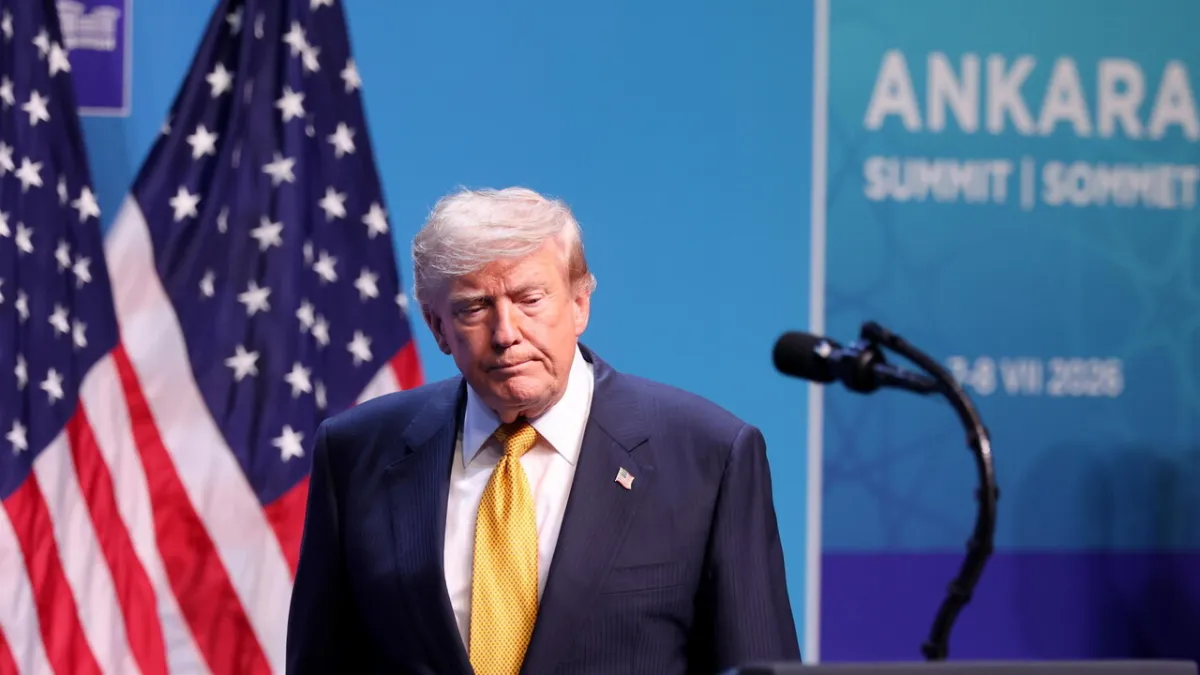
ROME — Former United States President, Donald Trump, once again captured global attention in early 2026 with a series of contradictory statements. After launching sharp criticism against several North Atlantic Treaty Organization (NATO) allies, Trump surprisingly reaffirmed the alliance's unity, while hinting at 'love beyond the quarrels'. This situation emerges amidst appreciation for Italy and a serious threat of economic embargo for Spain.
These unsettling statements began with Trump's harsh condemnation of NATO member states deemed not to have met their defense spending targets. Such rhetoric is not new from the figure who once led the United States, often creating tension among transatlantic leaders. However, he later defused the tension with more diplomatic language, as if to re-embrace the allies he had previously shaken.
During a widely reported virtual press conference, Trump stated, “There's love beyond the quarrels among us.” This statement indicates an effort to balance harsh criticism with the need for alliance cohesion, especially amidst the complex global geopolitical uncertainties still looming in 2026.
Italy, under the leadership of Prime Minister Giorgia Meloni, appears to have won Trump's favor. Diplomatic sources suggest that relations between Washington and Rome are now 'good' again, after previously being marked by fluctuating dynamics. This appreciation is reportedly linked to Italy's contributions to several joint security initiatives. Read more about this dynamic in the article Trump Criticizes NATO: Meloni Liked, But Not Helping US Enough.
However, Spain faces a different fate. Madrid is confronting a tangible threat from the White House, represented by Trump's strong statements, concerning a potential economic embargo. This threat is suspected to be related to policy differences, primarily on sensitive defense or trade issues between the two nations. Specific details regarding the reasons behind this embargo threat have not been fully revealed.
This dynamic once again highlights the eternal debate surrounding burden-sharing within NATO. Trump, both as a former president and an influential political figure, consistently pressures alliance members to increase their defense budgets to 2% of GDP, a target still not met by many countries. See also another perspective on the alliance in Trump Praises NATO's Warm Unity in 2026: 'Amazing Love in This Room!'.
Reactions from various European capitals to Trump's statements have been mixed. Some view it as a typical Trump negotiation tactic aimed at gaining concessions. Meanwhile, others voice concerns about the long-term impact on the stability and predictability of Western foreign policy. Additional information regarding NATO signals from Trump can be found at Merz Reveals Trump's Secret Statement: New NATO Signal?.
This situation unfolds in 2026, where Europe continues to face complex security challenges, including the prolonged conflict in Ukraine and escalating global tensions. NATO's cohesion is crucial, and any rhetoric that could be divisive may have significant consequences. Potential threats to Europe are discussed further at Trump Shakes NATO: Europe Threatened If Ankara 2026 Warning Ignored.
The threat of an embargo against Spain, if it materializes, could set a dangerous precedent that threatens the principle of alliance solidarity. It could also signal to other member states to take their defense commitments more seriously, or face the risk of similar sanctions.
Political and international relations analysts view Trump's statements, despite their contradictory nature, as part of a larger strategy to reshape the global order. “This tug-of-war will continue to be a hallmark of transatlantic relations as long as Donald Trump remains a force to be reckoned with,” said a geopolitical observer in London. The consolidation of relations between Washington and Rome, coupled with pressure on Madrid, marks a new chapter in NATO alliance dynamics in 2026.