 Edward DP Situmorang
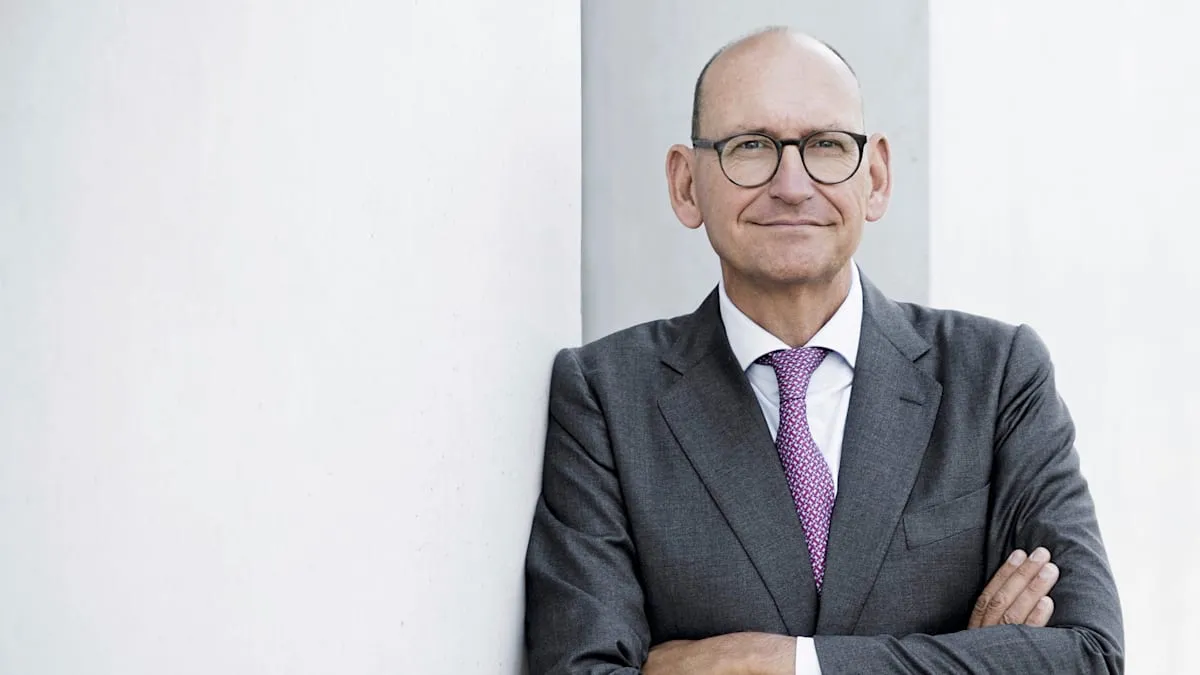
Leading economist Daniel Stelter issued a stark warning regarding the future of the German automotive industry, describing it as being on the verge of a multi-year "clear-cutting" process. This situation is fueled by a failure to adapt to the electric vehicle transition and production costs that exceed global competitiveness.
Stelter, a respected economic expert, expressed deep concern while highlighting the critical challenges facing one of Germany’s economic backbones. According to him, the massive transition from internal combustion engine vehicles to electric vehicles (EVs) has not been effectively managed by the country's automotive manufacturers.
Stelter's sharp criticism focuses on two main pillars: quality and cost. "We are no longer better, and we are too expensive for not being better," Stelter stated, underscoring the loss of comparative advantage that has long characterized German products. This statement implies that innovation and production efficiency have not kept pace with increasingly competitive global market expectations.
Stelter's analysis indicates that the German automotive industry is facing increasingly fierce competition, especially from Asian manufacturers offering more affordable and innovative EV solutions. The massive investments required for battery technology development, charging infrastructure, and electric vehicle design create significant financial pressure.
This wave of transformation is not merely a technological change, but a structural upheaval threatening thousands of jobs and supply chains built over decades. Large factories that previously produced internal combustion engine components now must adapt or face the risk of closure, creating a domino effect on the economy.
The German government itself has tried to promote electrification through various incentives, but their impact has not been strong enough to reverse the negative trends Stelter fears. Strict tax policies and environmental regulations further burden companies' operational costs, an issue frequently raised in public debate. This situation is exacerbated by calls from various parties, including the CDU party, for the government to immediately cut the suffocating fiscal burden. For more information on fiscal pressures in Germany, read: Jerman Tercekik Pajak Tinggi: CDU Desak Koalisi Segera Pangkas Beban Fiskal.
This crisis is projected to last for multiple years, marking a difficult period for the automotive sector, which is one of the largest contributors to Germany's gross domestic product (GDP). The loss of global competitiveness not only harms companies but also the "Made in Germany" image, known for its quality and precision.
Industry observers echo similar concerns, noting a slowdown in new vehicle sales and declining foreign investment in the sector. The future of iconic manufacturers such as Volkswagen, Mercedes-Benz, and BMW will heavily depend on the speed and effectiveness of their adaptation strategies to this new market reality.
The transition to sustainable mobility is indeed crucial, but its implementation requires meticulous planning and holistic support from all stakeholders. Without fundamental changes in approach, Daniel Stelter's warning of a "clear-cutting" might become a bitter reality for the German automotive industry.
The year 2026 marks a crucial period. Strategic decisions made now will determine whether Germany can maintain its position as a global automotive power or succumb to a prolonged crisis. This challenge is not only about technical innovation but also about economic resilience and the courage to undertake deep reforms.