 Demian Sahputra
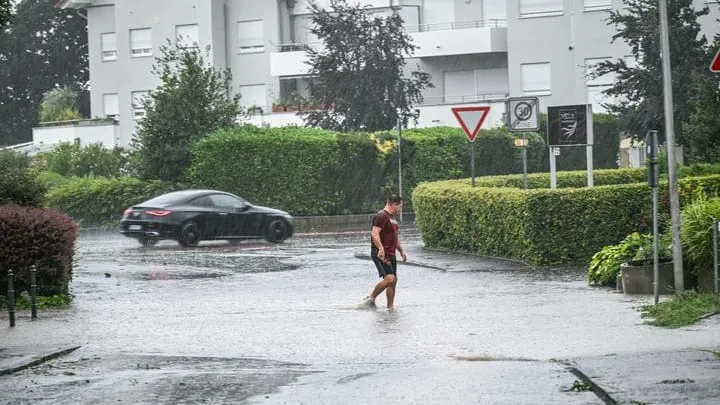
ULM, GERMANY — A powerful hurricane-force storm struck the southern German region of Baden-Württemberg in mid-2026, causing massive damage and widespread panic among residents. Torrential rain, powerful hurricane-force winds, and giant hailstones reportedly transformed the city of Ulm into a scene described by locals as a 'war zone', devastating infrastructure and forcing thousands to evacuate.
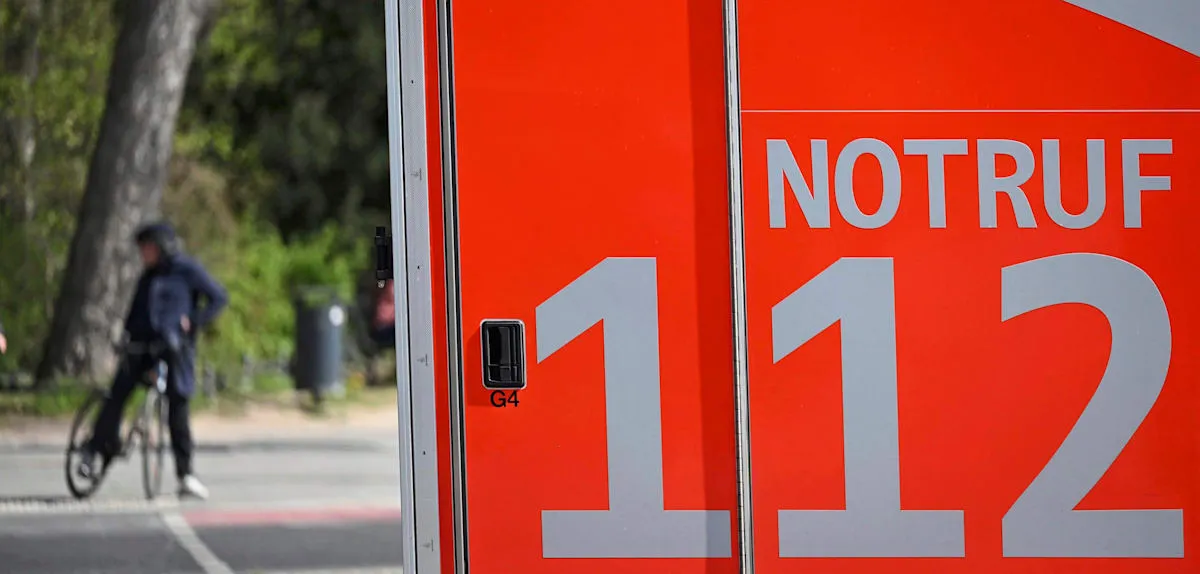
This extreme weather incident triggered a flurry of emergency calls from across the state. Firefighters in Ulm, one of the worst-hit cities, received hundreds of reports of falling trees and roof tiles posing dangers.
\"Suddenly the storm hit. We felt like we were in a war zone,\" said an Ulm resident whose home suffered severe damage, describing the unexpected speed and intensity of the storm's onslaught. This testimony reflects the collective trauma experienced by the local community.
The German Meteorological Service (DWD) confirmed that wind gusts reached hurricane force, which is the most extreme storm category, exceeding 117 kilometers per hour. This was exacerbated by very heavy rainfall that caused flooding on many main roads, and hailstones the size of ping-pong balls that damaged vehicles and buildings.
Material losses are estimated to be in the millions of euros, with dozens of homes sustaining structural damage, hundreds of vehicles dented, and ready-to-harvest agricultural land completely destroyed. The regional government of Baden-Württemberg immediately activated emergency protocols, deploying rescue teams from various agencies.
Thousands of personnel from fire departments, police, and volunteer rescue teams worked tirelessly to clear debris, evacuate stranded residents, and set up aid posts. The primary focus was to ensure the safety of citizens and restore electricity supplies that were temporarily cut in several areas.
Germany's federal government, through the Ministry of Interior, stated it would provide full assistance for the reconstruction and recovery of affected areas. The Minister of Interior, Nancy Faeser in 2026, emphasized the importance of a rapid and coordinated response to address the disaster's impact.
This extreme weather phenomenon is not new to Germany. A devastating supercell incident was also reported to have hit Baden-Württemberg, devastating buildings, as recorded in the report Superzelle Menerjang Baden-Württemberg: Bangunan Porak-poranda, Satu Korban Jiwa. This event adds to a long list of concerns related to global climate change.
In a previous press conference, Hildegard Müller, President of the German Association of Energy and Water Industries (BDEW) in 2026, highlighted that Germany is threatened by a serious water conflict and urged immediate mitigation, a warning that is now increasingly relevant with the frequency of storms and extreme weather. Jerman Terancam Konflik Air Serius: Menteri Desak Mitigasi Mendesak.
Meteorologists and climatologists warn that the frequency and intensity of such storms are likely to continue to increase in the future. Therefore, it is important for governments and communities to enhance their preparedness to face increasingly extreme climate challenges.
Recovery efforts in Ulm and its surroundings are expected to take weeks, if not months. Affected residents now hope for adequate assistance to quickly rebuild their lives after the storm that changed everything.