 Robert Andrison
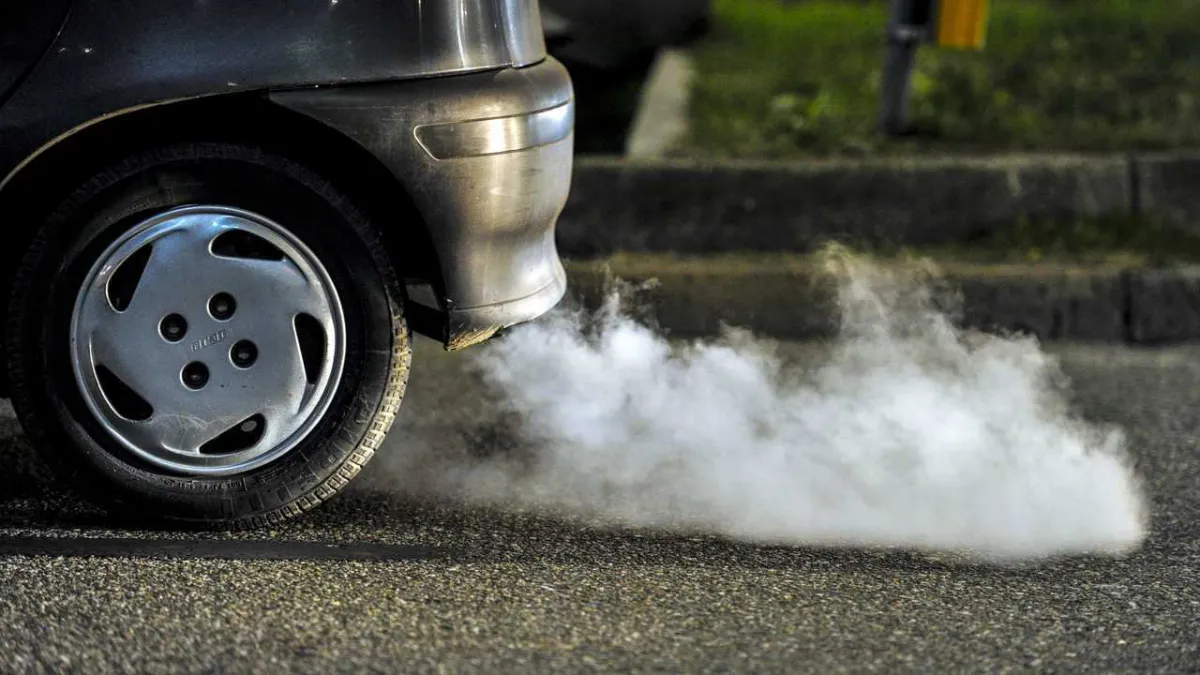
BRUSSELS – The European Union (EU) has made a significant decision to soften its target ban on the sale of internal combustion engine cars and vans starting in 2035. This policy, initially envisioned as revolutionary, is now marked by new flexibility, providing greater breathing room for automotive manufacturers struggling to meet ambitious emissions targets. The EU parliamentary committee in 2026 officially supported revisions that include low-carbon steel credits as an alternative path to achieve emissions reduction goals, marking a shift in the bloc's environmental policy direction.
This policy shift comes after a series of intense lobbying efforts from the European automotive industry, which faces significant challenges in fully transitioning to electric vehicles (EVs) within a tight timeframe. Initially, the EU's plan was to completely halt the sale of cars and vans producing CO2 emissions by 2035, a drastic step aimed at accelerating the decarbonization of the transport sector.
However, economic and technological realities forced a re-evaluation. Car manufacturers raised concerns about research and development costs, uneven charging infrastructure, and market acceptance of fully electric vehicles. These pressures culminated in committee negotiations, ultimately leading to substantial concessions.
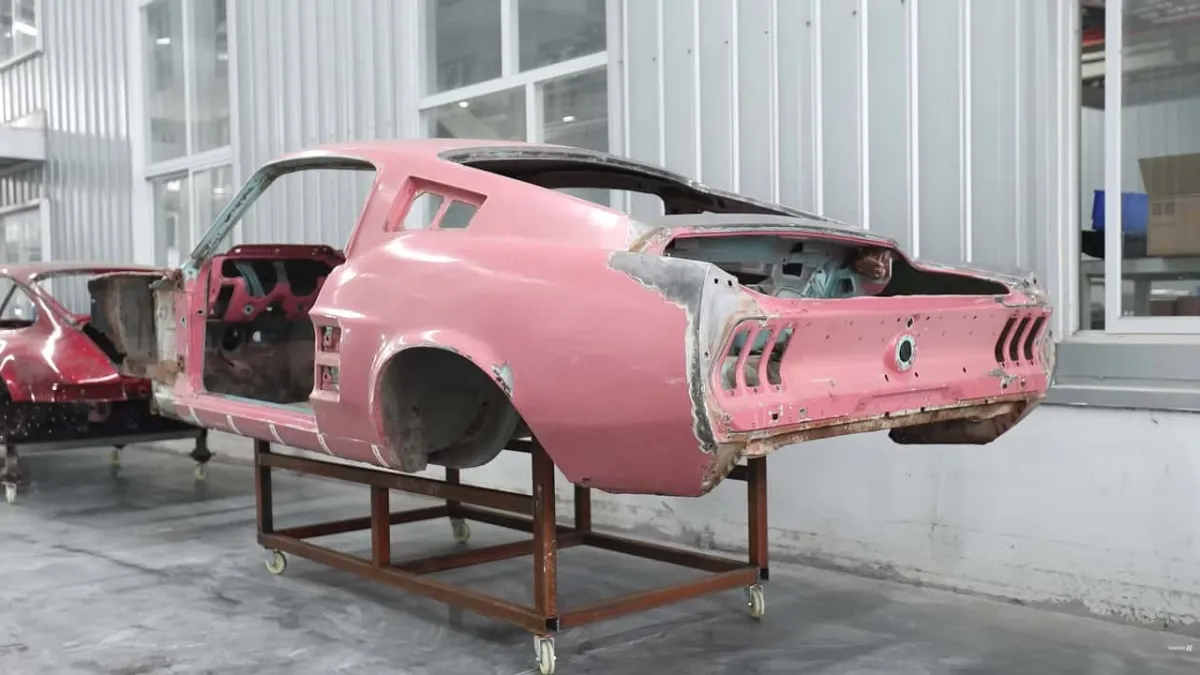
The main pillar of this flexibility is the introduction of low-carbon steel credits. This means that emissions generated from the production of steel used in vehicle manufacturing can be considered in a manufacturer's total carbon footprint calculation. Thus, even if a car still has a combustion engine, manufacturers can offset some emissions through a greener supply chain.
A spokesperson for the European Automobile Manufacturers Association (ACEA) welcomed the decision. We believe a more pragmatic and multi-dimensional approach is key to achieving our climate goals without sacrificing industrial competitiveness, they stated, underscoring the importance of flexibility in navigating a complex energy transition.
Not all parties agreed, however. Environmental organizations urged caution. They argued that this concession could slow the pace of zero-emission vehicle innovation and potentially become a loophole for manufacturers to postpone crucial investments in future technologies.
This is a dangerous step backward for the European Union's climate ambitions, said an environmental activist from the 'Green Future Alliance'. Granting flexibility for combustion engines, even under the guise of low-carbon steel, disregards the increasing urgency of the climate crisis.
This revised policy also reflects the internal political dynamics among EU member states. Several countries with strong automotive industrial bases, such as Germany and Italy, have long voiced concerns about the economic impact of a too-rapid total ban.
Italy, for example, with its historic automotive industry and many luxury sports car manufacturers, has repeatedly requested exemptions or concessions. This decision will likely be met with relief in those sectors, allowing them to adapt more gradually. Italian Derby discussions, which often touch upon the automotive industry, will now have a new topic to debate.
On the other hand, countries that have aggressively invested in EV infrastructure and battery production might view this decision as a less consistent signal. This raises questions about how future investments will be directed within a changing regulatory landscape.
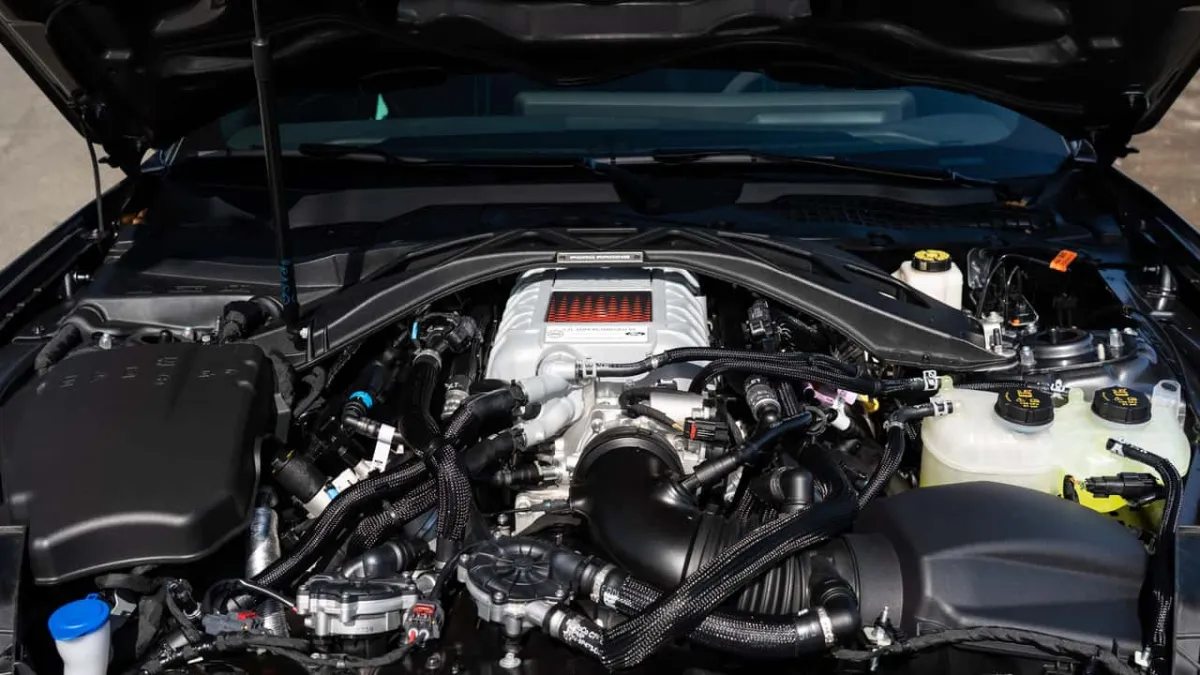
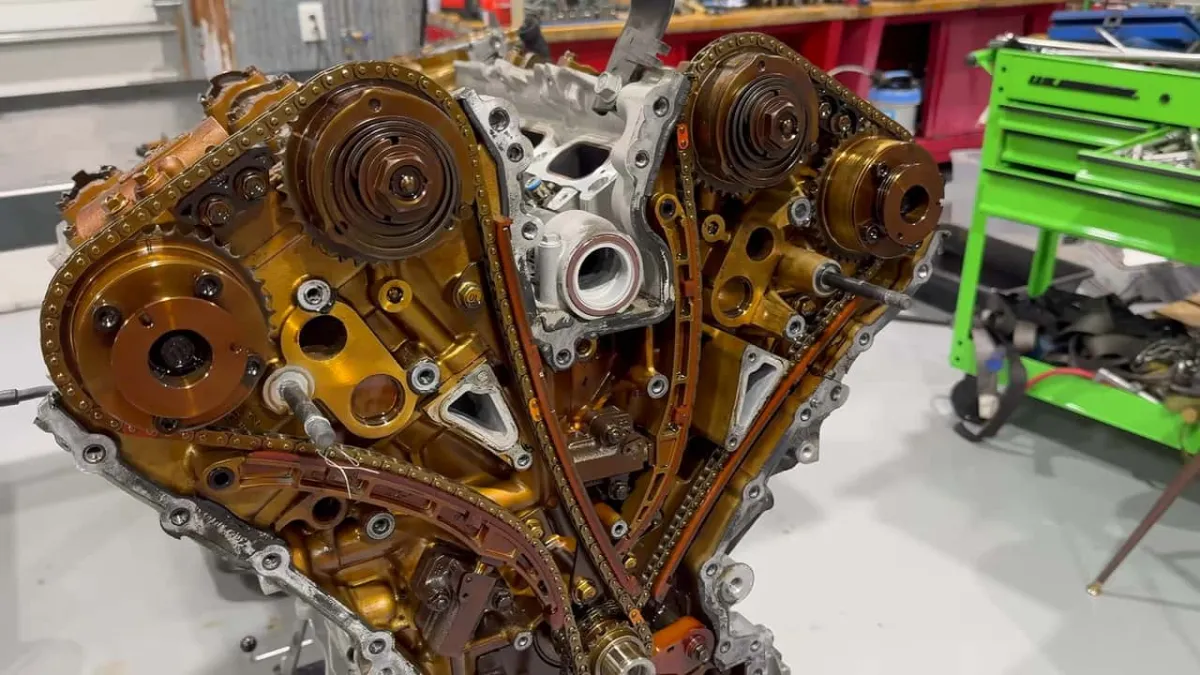
Economic experts predict that this flexibility will allow automotive manufacturers to diversify their strategies, not solely focusing on EVs, but also on the development of synthetic fuels (e-fuels) or improving the efficiency of lower-emission internal combustion engines.
The future of the European automotive industry now appears somewhat more complex and multi-dimensional. Instead of a single path towards full electrification, the EU is now opening the door to various innovations that can help achieve climate goals while maintaining economic stability and jobs.
Editorial Insight: The European Union's decision to soften the 2035 combustion engine ban is a complex political compromise between environmental ambitions and industrial economic realities. While providing short-term flexibility for manufacturers, this move risks sending mixed signals about the EU's commitment to full decarbonization. The success of this policy will heavily depend on the effectiveness of oversight and transparency within the low-carbon steel credit system, as well as the industry's willingness to continue investing in zero-emission solutions beyond the scope of this concession. The debate over the balance between the environment and the economy will undoubtedly continue to intensify.