 Dorry Archiles
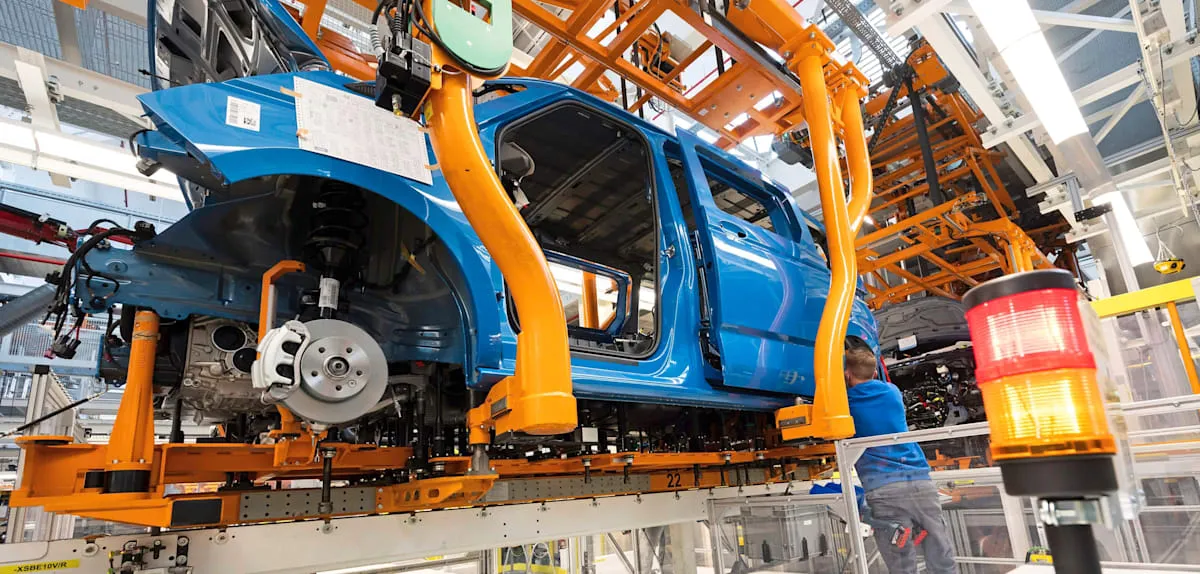
Emden, Germany — The future of Volkswagen's Emden plant hangs in the balance after the company's strategic austerity package hit a significant roadblock within the Supervisory Board. Despite CEO Oliver Blume's pledge to avoid factory closures, the Emden facility remains on a potential shutdown list, sparking deep concern among unions and thousands of employees in early 2026. This precarious situation underscores the severe challenges facing the German automotive giant in its global restructuring efforts.
The decision to defer the austerity package's implementation follows a management defeat in the Supervisory Board, indicating internal divisions regarding the company's strategic direction. Blume had previously affirmed his commitment to finding innovative solutions that protect jobs, yet economic realities and profitability pressures seem to be placing certain plants in a vulnerable position.
Oliver Blume, who has led Volkswagen for the past few years, has repeatedly articulated a vision for a more efficient and sustainable future. “We will make every effort to preserve every location and every job,” Blume stated in an internal communication cited by local media, reaffirming his intention to prioritize dialogue and find constructive alternatives. Blume: Volkswagen Avoids Plant Closures, Prioritizes Smart Worker Solutions.
The Emden plant, with its long history of Volkswagen vehicle production, serves as an economic backbone for the regional economy in Niedersachsen. Thousands of families depend on its operations, making it a sensitive social and political issue for local government.
For the employees, this situation brings profound anxiety. They have experienced periods of uncertainty before and hoped for job security amidst the automotive industry's transition towards electrification. Local unions have declared their continued fight for workers' rights.
The Supervisory Board's rejection of the austerity package highlights the complexity of decision-making within large corporations like Volkswagen. The board, comprising representatives of management, shareholders, and workers, often has to balance various conflicting interests.
Volkswagen is currently undergoing a massive restructuring phase to adapt to fierce competition, the electric vehicle transition, and efficiency demands. This savings plan is an integral part of that strategy to secure the company's long-term competitiveness in the global market.
Germany's economic conditions in 2026 also face various pressures, including inflation, rising energy costs, and geopolitical challenges. Large corporations like Volkswagen feel compelled to optimize operations to maintain financial stability. German government fiscal policies are also under scrutiny.
At the political level, the potential closure of the plant could trigger a wave of criticism against local and federal governments. Employment issues are always a central focus on the political agenda, especially in industrial regions.
Nevertheless, Oliver Blume's promise to seek solutions offers a glimmer of hope. Intensive dialogue between management, unions, and government representatives is expected to find a way out that can save jobs and maintain plant operations, albeit on a revised scale. The next steps from management and the Supervisory Board's response will be crucial in determining the fate of thousands of workers and the future of the Emden plant.