 Chris Robert
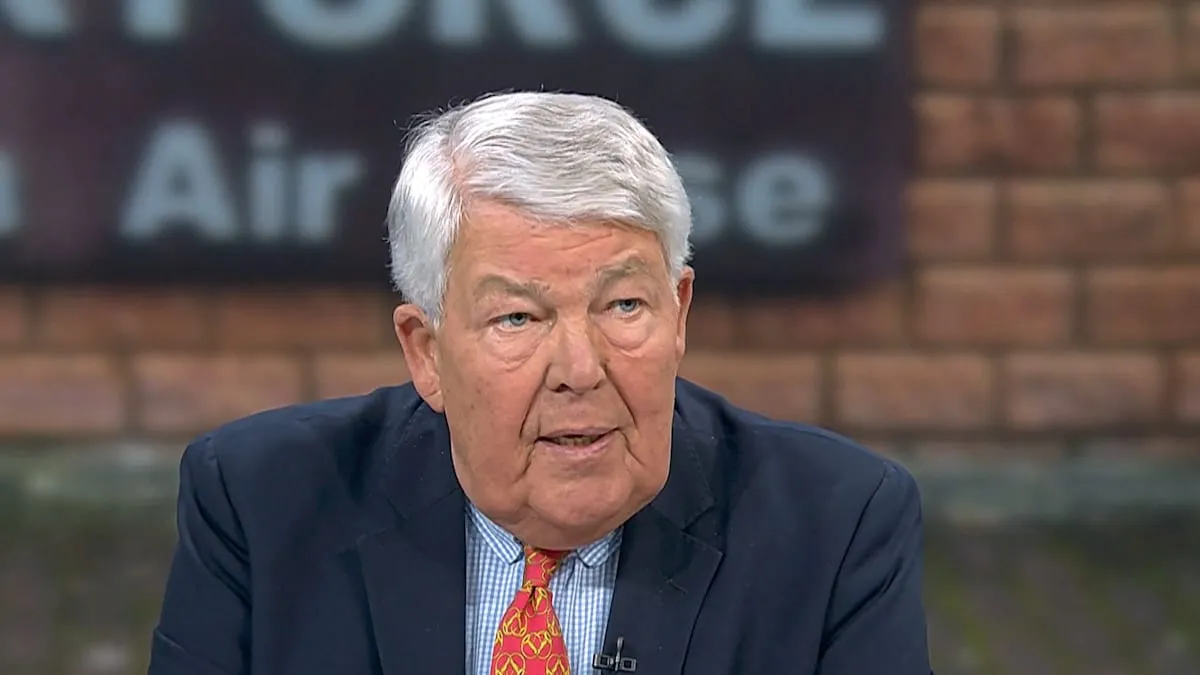
PARIS — The "Coalition of the Willing" nations convened a crucial meeting in Paris, France, reaffirming their commitment to escalate military aid and security guarantees for Ukraine. Analysis from General (Ret.) Roland Kather highlights that these developments place Russian President Vladimir Putin in an unforeseen strategic predicament. This post-NATO Summit meeting focused on strengthening Europe's defense capabilities and joint arms projects to counter ongoing aggression.
General Kather, an experienced military expert, stated that Russia's current position is far from the initial scenario they anticipated. "Russia, and especially Putin, are in a situation the country did not expect," Kather remarked. This statement refers to Ukraine's resilience and the growing solidity of Western support, forcing the Kremlin to re-evaluate its invasion strategy.
Key discussions at the meeting in the French capital encompassed three main pillars: joint arms projects, concrete security guarantees for Kyiv, and a redefinition of Europe's role in the global defense architecture following the NATO Summit. European leaders recognize the urgency to act more independently and proactively in the face of constantly shifting geopolitical threats.
Joint arms projects are initiated to accelerate the production and supply of essential military hardware for Ukraine. This includes vital artillery systems, ammunition, and air defense technology. This initiative also aims to reduce reliance on a single supplier nation and build more resilient supply chains within Europe.
Regarding security guarantees, the coalition endeavors to formulate a robust framework to ensure Ukraine's long-term stability. This includes continuous military training, intelligence sharing, and readiness to respond to future threats. This step is a direct response to Ukraine's demands for stronger security commitments beyond verbal promises.
Europe's role post-NATO Summit also received intense focus. With the United States often having diverse global priorities, Europe is urged to assume a greater leadership role in its regional defense. This consolidation of European strength will not only bolster NATO but also provide greater strategic autonomy for the continent.
This unforeseen situation for Putin reflects Moscow's failure to achieve its initial objectives in Ukraine. Ukraine's steadfast resistance, crippling Western economic sanctions, and the unity of European nations in supporting Kyiv have collectively altered the conflict's dynamics. This marks a drastic change from Russia's assumptions regarding a fragmented international response.
Support for Ukraine continues to flow, as seen in our previous article titled "Europe Ramps Up Ukraine Defense Aid: Is Russia's Strategy Now Cornered?". Europe seeks to integrate its defense efforts to achieve maximum effect on the battlefield and diplomatically.
One crucial initiative is the formation of a ballistic missile coalition, providing Ukraine with a robust sky shield. More information can be found in "Europe Forms Ballistic Missile Coalition: Ukraine Gains Strong Sky Shield". These steps demonstrate a long-term commitment.
The Paris meeting sends a clear signal that this coalition will not waver in supporting Ukraine's sovereignty. It reinforces the message that military aggression will not yield strategic gains but rather increasing isolation and pressure for the Kremlin regime. The future of European security largely depends on the success of these collective efforts.
The strengthening of Ukraine's defense capabilities is also balanced with efforts to counter hybrid threats and disinformation campaigns launched by Russia. Experts agree that in addition to material aid, support in cyber and intelligence aspects is also crucial for securing a strategic victory.
As Europe strengthens its ranks, global alliance dynamics are also shifting. The increasingly robust military alliance between China and Russia is a serious concern. The article "China-Russia Military Alliance Strengthens: Europe Faces Serious Threat!" discusses the implications of this strengthening eastern bloc for global security and the imperative for Europe to unite further.