 Robert Andrison
BERLIN — Germany has officially announced the acquisition of Tomahawk cruise missiles from the United States, marking a significant step in strengthening national defense capabilities and transatlantic alliance. The German Chancellor, in his government statement this Thursday, confirmed this crucial agreement. Although a definite date for the missile deployment has not yet been set, this decision underscores Berlin's commitment to regional security amid increasingly complex global geopolitical dynamics.
The purchase of these high-precision weapons is seen as Germany's strategic response to the changing security landscape in Europe, particularly following the protracted conflict in the eastern part of the continent. Tomahawk missiles, known for their long-range strike capabilities and accuracy, will become a vital component in the modernization of the German armed forces, the Bundeswehr.
The German Chancellor emphasized that this acquisition is not merely an addition to military inventory, but a substantial investment in NATO's collective deterrence and defense capacity. "This step is a concrete manifestation of our responsibility towards European security and our readiness to face any potential threat," the Chancellor stated in his speech.
The United States, as a key strategic partner, welcomed Germany's decision. A spokesperson for the US State Department stated that the sale of these Tomahawks "strengthens interoperability between NATO forces and enhances stability in the European region." This defense partnership is considered crucial for maintaining the balance of power.
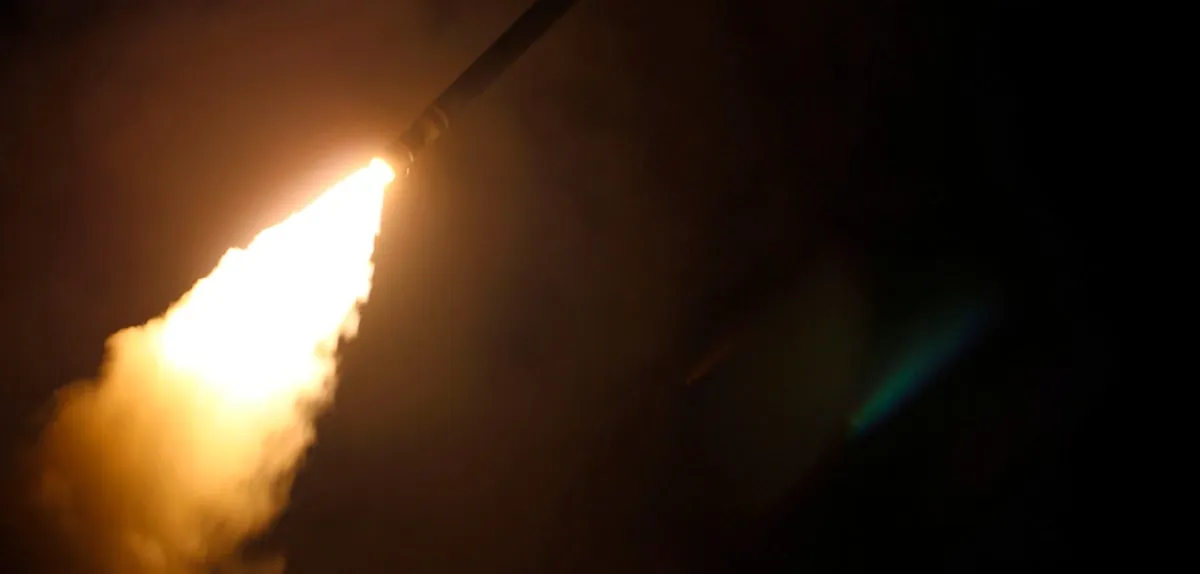
Tomahawk missiles, manufactured by Raytheon Technologies, are all-weather, subsonic, medium- to long-range cruise missiles launched from surface ships or submarines. Their capabilities include precision strikes against static and moving land targets.
Defense analysts believe that the addition of Tomahawk missiles will significantly increase Germany's power projection capabilities, allowing it to contribute more effectively to alliance operations. This could also signal to other European nations to intensify their defense investments.
Although there is no specific deployment schedule, such acquisition processes typically involve intensive training for German military personnel and system integration into existing defense infrastructure. Experts estimate this process could take several years.
Berlin's decision also sparked internal and external discussions regarding Germany's significant increase in defense spending in recent years. Germany is committed to meeting the 2% GDP defense spending target, in line with NATO demands, which have often been in the spotlight, such as discussions surrounding new priorities for sustainable commitments in 2026.
Some parties link this move to the escalating international relations, especially in the Eastern European region. The acquisition of Tomahawk missiles is seen as an effort to ensure Germany possesses adequate capabilities to protect its interests and support its allies, amidst various turbulences that even caused Trump to shake NATO allies before claiming the alliance's solidity.
Germany's foreign policy under the current Chancellor shows a shift from a more passive approach to a more proactive one in global security affairs. This aligns with Germany's increasing role in European and NATO defense structures.