 Demian Sahputra
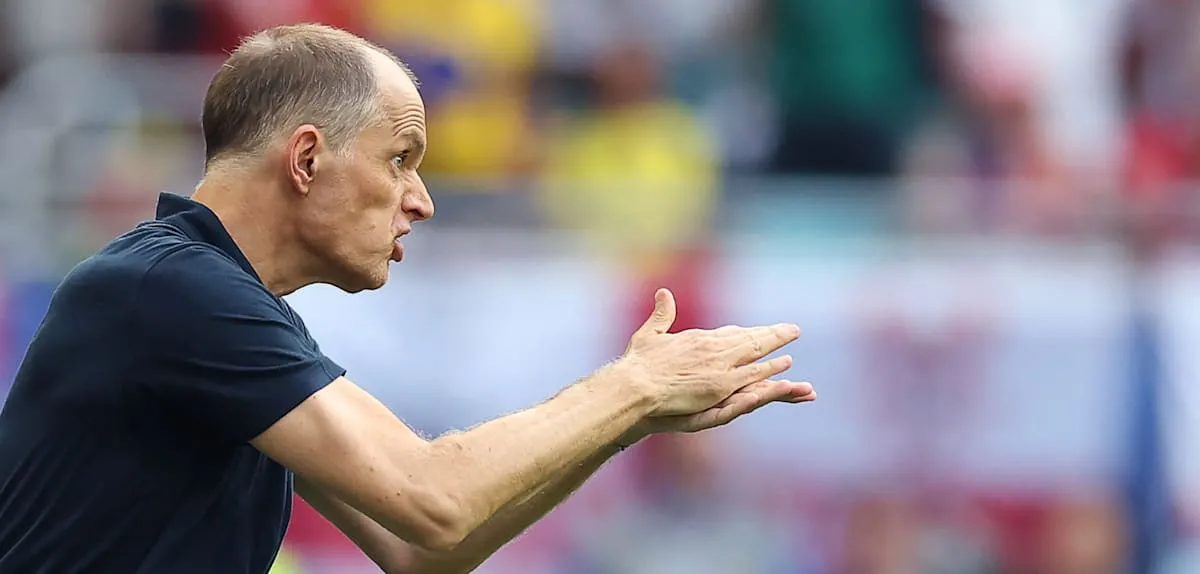
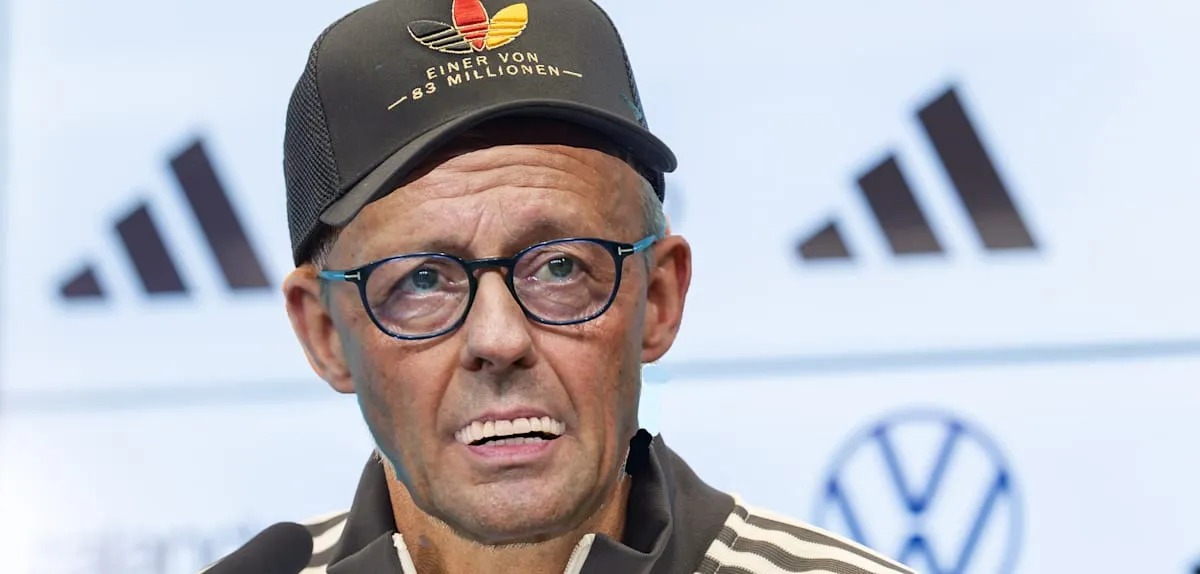
BERLIN — Thomas Tuchel, the tactician for the German national team, displayed a rare outburst of anger after his team managed to overcome Norway in a 2026 World Cup match. A victory that should have been met with joy instead became a platform for Tuchel to launch sharp criticism at his players' performance, which he described as making things difficult for themselves on the field. The peak of this frustration came when he reacted irritably to a reporter's sensitive question about the team's mentality.
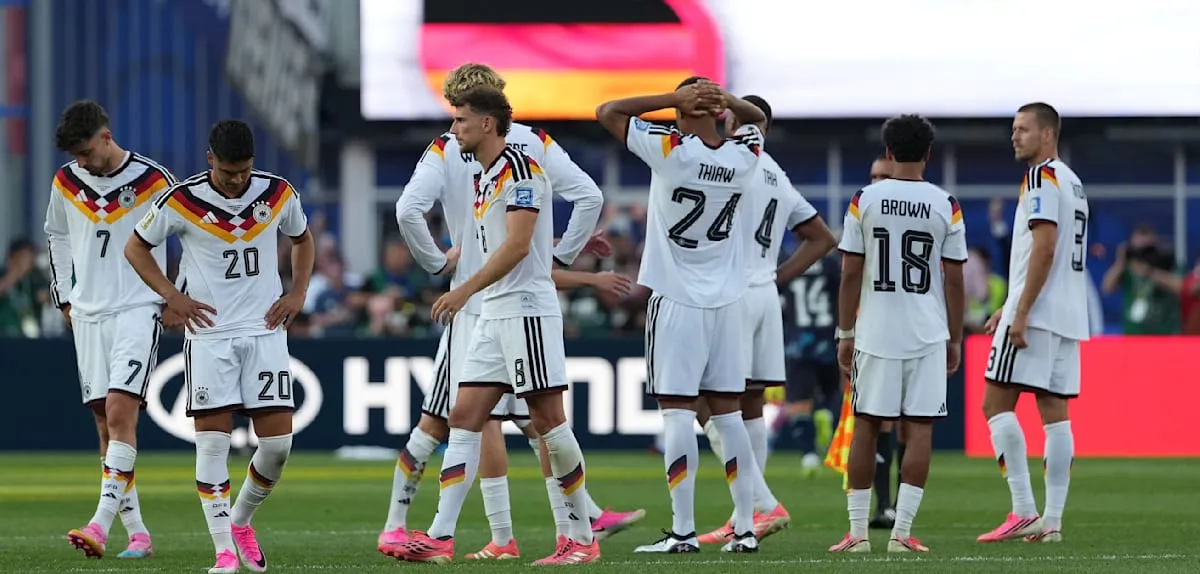
The incident occurred during a post-match press conference where tensions were already high. Despite Germany securing full points, the team's performance was far from convincing. Opportunities were squandered repeatedly, and the defense showed gaps that sharper opponents could have exploited. Tuchel candidly expressed his disappointment with the quality of play on display.
"We made our own lives very difficult," Tuchel stated with an indignant tone, his eyes showing deep frustration. "There were brilliant moments, yes, but they were interspersed with basic mistakes that should not happen at this level. We should have sealed the game much earlier."
The atmosphere grew more heated when a journalist, identified from a national media outlet, posed a provocative question. "How can you ask about mentality after we just won this match?" Tuchel retorted, his expression tightening. He apparently felt the question undermined the team's efforts or fundamentally questioned the players' character.
Tuchel's response sparked a fierce debate among football pundits and the media. Many consider it a sign that the coach believes there is a fundamental problem within the squad, even after a victory. It also highlights the immense pressure facing Germany in a tournament as significant as the 2026 World Cup, especially after several previous inconsistent performances.
The question of mentality is not new in the world of football, particularly for major teams expected to always perform dominantly. However, Tuchel's reaction indicates that he considered this issue too personal or irrelevant after a positive result, despite the less-than-satisfactory performance.
The victory over Norway itself was a crucial match in the group stage of the 2026 World Cup. Norway, with stars like Haaland and Schjelderup, often troubled their opponents. The public still remembers how Norway shook the 2026 World Cup with Haaland's threat, or Schjelderup's magical goal that had briefly shaken England.
Germany indeed needed this positive result to secure their position in the next round. However, Tuchel's comments implied that winning alone is not enough. Expectations for the German team are always high, and the standard of performance demanded far exceeds merely securing three points.
This debate will likely continue, posing its own mental challenge for the German players. How will they react to such open criticism from their coach? Will this trigger a resurgence or merely add to existing pressure?
This situation is reminiscent of the internal dynamics of major teams often tested not only by opponents on the field but also by public and media expectations. Tuchel, with his coaching style known for being firm and uncompromising, clearly wants to send a strong message to his entire team.
Certainly, fans hope this criticism can serve as a positive catalyst, pushing the team to find consistency and demonstrate a true championship mentality throughout the remainder of the 2026 World Cup tournament. The next challenge will determine whether Tuchel's message is well-received and capable of significantly changing the team's performance.