 Edward DP Situmorang
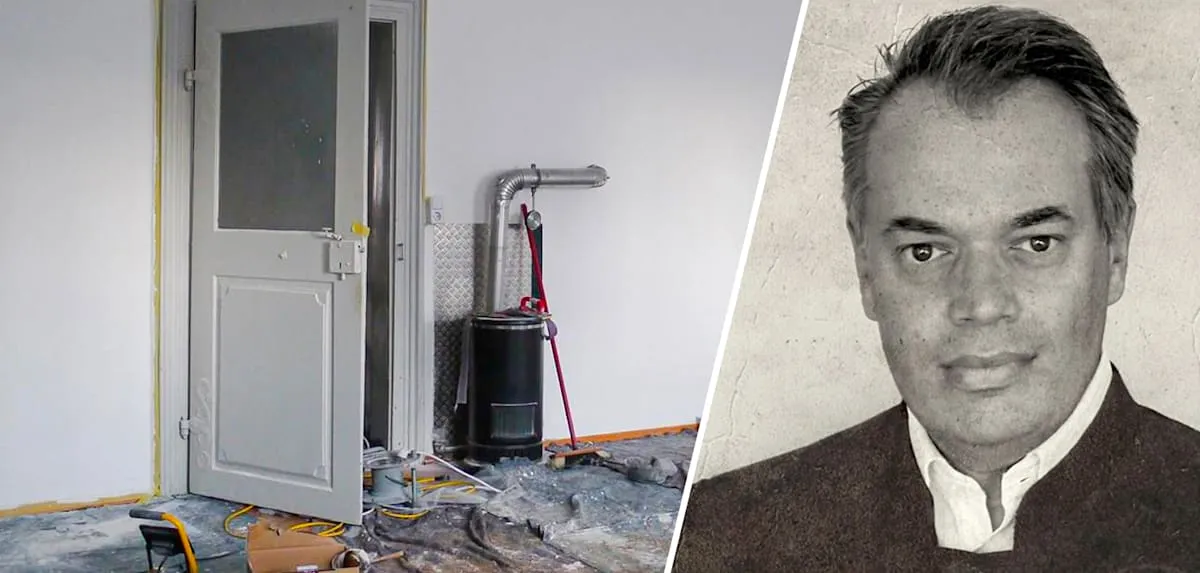
BERLIN — Robert Habeck, once dubbed the “Heating Hammer” for his aggressive yet unpopular climate policies, is now re-emerging in the public spotlight as an urban developer. His current role centers on costly climate-neutral urbanization projects, raising serious questions about the financial implications for German society in 2026.
This transformation comes after he garnered only 11.8 percent public support as a chancellor candidate, reflecting resistance to his ambitious climate agenda. Now, in his new position, Habeck is seen as leading a gentrification agenda focused on a climate-neutral “champagne class,” promising green luxury that could potentially burden taxpayers.
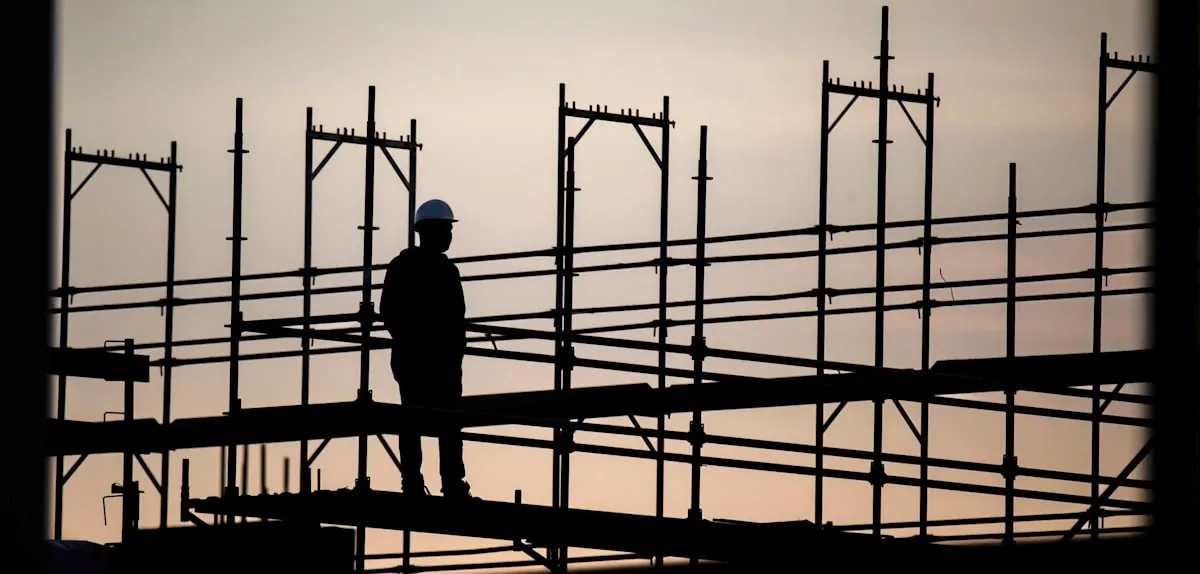
The projects he has initiated aim to create entirely sustainable urban areas, featuring the highest standards of energy efficiency and green infrastructure. However, criticism has emerged regarding their exclusivity and potential economic impact on low- and middle-income residents, who may find it difficult to access such facilities.
Many are concerned that focusing on premium solutions will increase the cost of living and property in the developed areas, indirectly leading to the displacement of original residents. The term “champagne class” appearing in public discourse indicates that these projects indeed target a specific segment of society.
Economic observers have begun calculating the projected costs arising from these initiatives. Initial figures suggest trillions of euros in investment are needed to realize Habeck’s vision of climate-neutral cities, a significant burden on state coffers and the public.
A number of media outlets and research institutions have published analyses detailing the potential increases in property prices, rental costs, and tax burdens that may accompany these development projects. Local governments are urged to provide full transparency regarding budgets and funding sources.
Habeck himself has not yet issued a comprehensive public statement regarding the criticism over these high costs. However, his supporters argue that long-term investment in sustainability is essential for the future and will yield savings later, despite significant initial expenditures.
The debate over development priorities and social justice is intensifying in Germany. The fundamental question is: will this vision of climate-friendly cities be realized at the expense of accessibility and affordability for all segments of society, or will it further widen the gap?
The federal government, represented by several relevant ministers, acknowledges the fiscal challenges in implementing large-scale green projects. They pledge to seek innovative financing solutions that do not solely rely on the state budget.
In a broader political context, such controversial policies have the potential to trigger waves of protest and shifts in political support. The discourse about welfare recipients being obligated to clean cities, as once proposed by the CDU Berlin, demonstrates the sensitivity of social justice and cost of living issues in Germany. Read more about the controversial proposal in Berlin.
Habeck’s previous experience with the “Heating Hammer” should serve as a valuable lesson. The desire to push for a green transition must be balanced with effective communication strategies and an inclusive approach that considers the financial capabilities of all citizens.
The future of German cities will largely be determined by how these ambitious projects are managed. The balance between sustainability aspirations and economic realities is key to ensuring that development benefits not just a small segment, but the entire population.
The public awaits concrete steps from the authorities to ensure that Robert Habeck's initiated climate-neutral urban development will truly be socially and economically sustainable, and not merely an expensive slogan for the “champagne class” in 2026.