 Robert Andrison
JAKARTA – Black Friday 2026 is once again shaking up the global shopping arena, offering fantastic discounts that entice millions of consumers to hunt for the best deals. However, behind the euphoria of massive discounts, lurks the potential for serious threats in the form of consumer debt traps and increasingly sophisticated digital scams, demanding extra vigilance from every shopper.
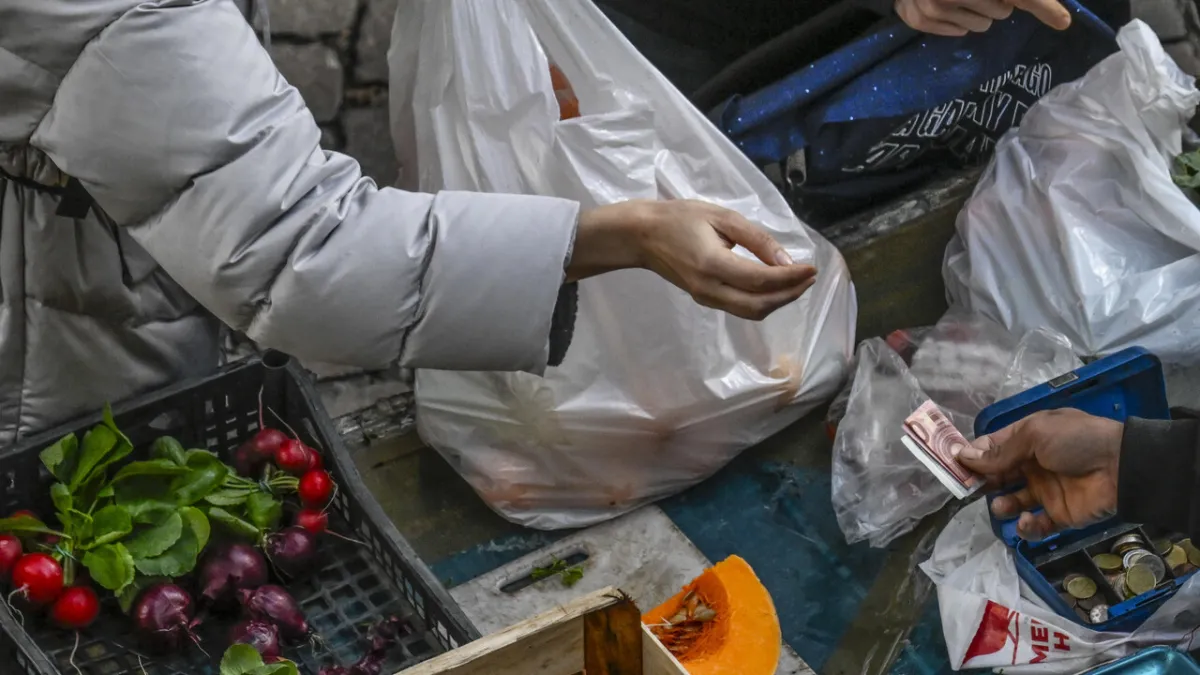
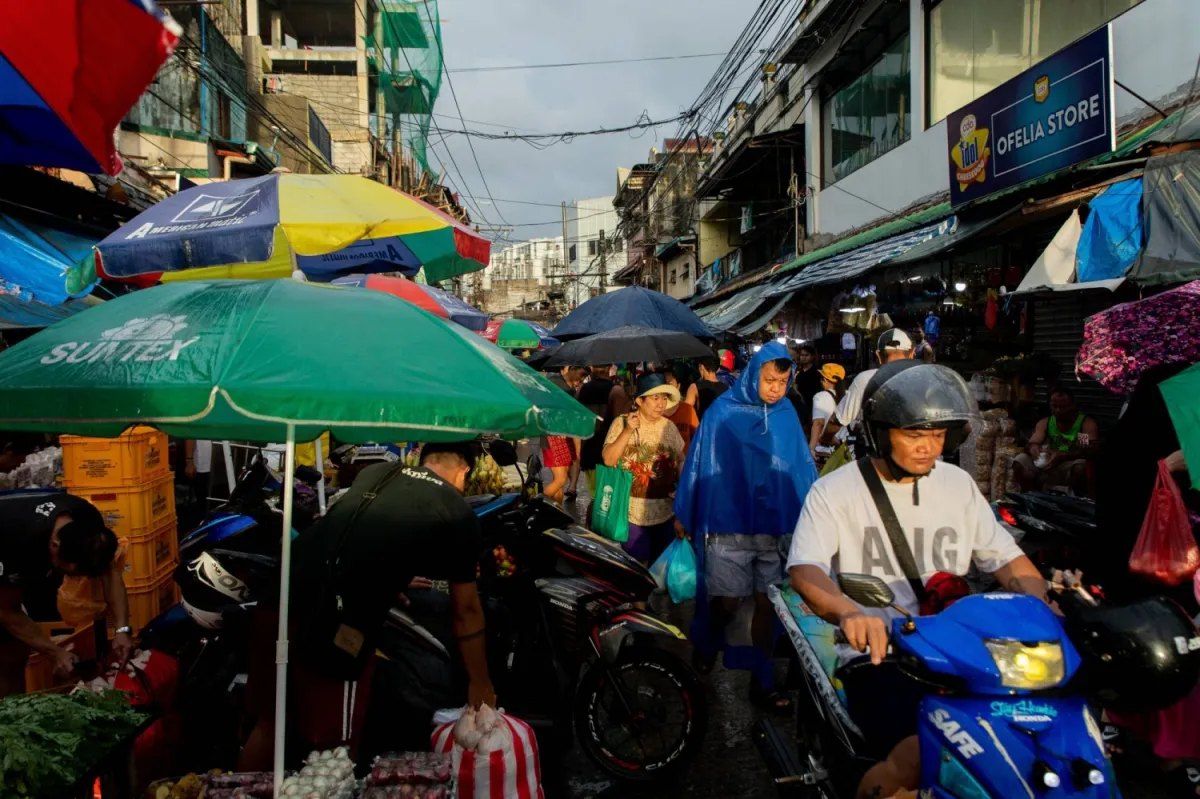
The annual shopping phenomenon, which falls after Thanksgiving, has transformed into a crucial moment for the economy, both in physical stores and online platforms. Consumers worldwide, including in Indonesia, anticipate the opportunity to acquire desired products at much lower prices, triggering a significant surge in transactions.
This surge in shopping activity, unfortunately, attracts not only buyers but also cybercriminals. Data indicates that during major shopping periods like Black Friday, online fraud incidents increase dramatically. Scammers exploit the excitement and haste of consumers chasing discounts to carry out their schemes.
Scam methods vary, ranging from fake websites resembling leading online stores, fictitious discount advertisements on social media, to phishing attempts targeting personal data and credit card information. Without vigilance, consumers can lose money, data, and even their identity.
In addition to the risk of fraud, the threat of consumer debt also casts a dark shadow behind the glitter of Black Friday. The ease of payment with credit cards or interest-free installments often encourages consumers to purchase items they do not actually need or beyond their financial capacity.
Economic observer, Dr. Citra Dewantara, warned, Discounts are indeed tempting, but consumers must be adept at distinguishing between needs and wants. Impulsive purchases without careful budget planning can lead to uncontrollable debt accumulation in the future.
An increase in defaults or non-performing loans is often seen several months after the year-end shopping season. This is tangible proof that the discount fever has the potential to damage the financial stability of individuals and households if not approached wisely.
To avoid these traps, it is crucial for consumers to equip themselves with strong digital and financial literacy. Check the seller's reputation, ensure website links are secure, and avoid transacting over unencrypted public Wi-Fi networks.
Several simple steps can be taken to protect oneself during Black Friday:
- Verify Seller: Ensure the online store has positive reviews and clear contact information.
- Check URL: Pay attention to the website address; make sure it starts with HTTPS and has no suspicious spellings.
- Use Strong Passwords: Create unique and complex passwords for each shopping account.
- Beware of Phishing Emails: Do not click links from suspicious emails or messages claiming to be discount offers.
- Create a Shopping Budget: Set a spending limit and adhere to it strictly.
The government and consumer protection agencies continue to advocate for smart shopping. They advise consumers to compare prices from various platforms and not rush into purchase decisions, even if an offer appears very attractive.
Given the constantly changing global market dynamics, including inflation factors affecting purchasing power as seen in the article US Inflation and Thanksgiving Holiday: A Crucial Week for Crypto Market 2026, every shopping decision needs to be carefully considered. The domino effect of inflation could make even discounted items feel burdensome after the promotional period ends.
Black Friday is a golden opportunity to acquire desired items, but it must not become a boomerang that financially harms. The balance between the desire to shop and financial responsibility is key to enjoying offers without future burdens.
Editorial Insight: The escalating Black Friday euphoria each year highlights a modern dilemma between consumption desires and financial security. Consumer education on scam risks and debt management becomes increasingly vital. A failure to balance these aspects will not only harm individuals but also potentially create a wider wave of defaults, exerting pressure on micro and macroeconomic stability in 2026 and beyond. Adaptive regulations and continuous public awareness campaigns are necessary to protect consumers amidst the strong current of digital shopping.