 Gabriella
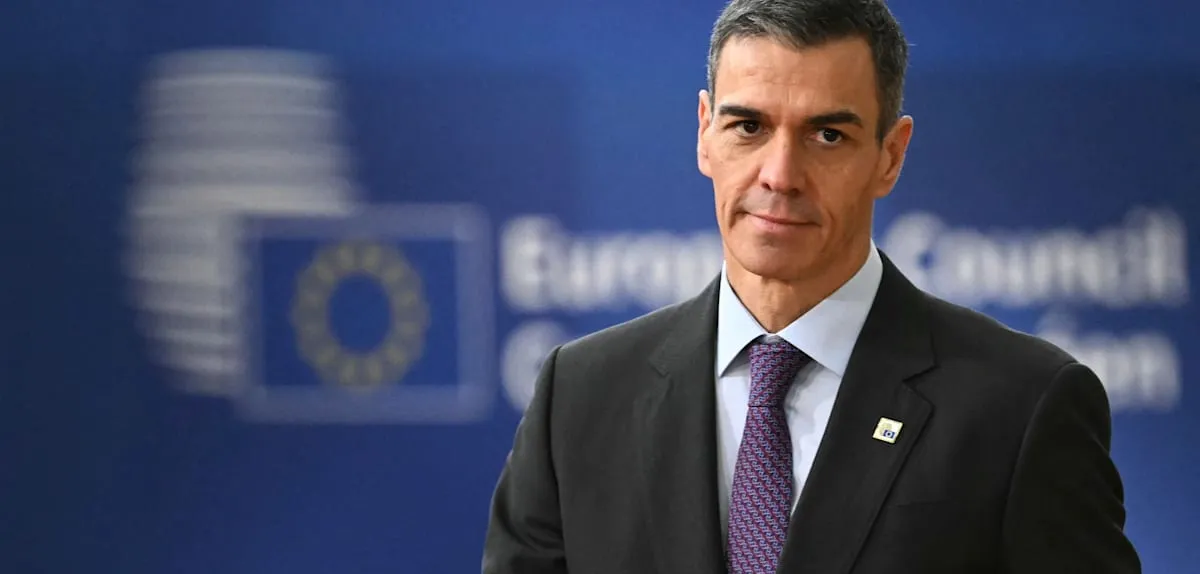
CEUTA — Spanish Prime Minister Pedro Sanchez has urged the European Union to hold an immediate special session to address the escalating migrant crisis in the exclave of Ceuta. This demand comes after Sanchez publicly accused several EU member states of having “prejudices” in handling migration issues. Concurrently, the death toll from this humanitarian tragedy continues to rise, now reaching 67 lives as of mid-2026.
Sanchez expressed his deep disappointment with what he perceives as a lack of responsive attitude from some European partners. He emphasized that Ceuta, as a European gateway in North Africa, cannot bear the burden of this crisis alone. The situation at Ceuta’s sea and land borders is increasingly critical, creating immense humanitarian and logistical pressure on Spanish authorities.
Recent incidents in Ceuta, involving thousands of migrants from various North African countries attempting to breach the border, have triggered a wave of international criticism and called for a collective response. Many have highlighted the lack of coordination and adequate solidarity from the European community, despite migration being a common challenge that requires a integrated approach.
In his statement to national media from his office in Madrid, Sanchez declared, “This crisis is not just a Spanish problem, but a European one. We need a coordinated response without prejudice. Solidarity is key.” He affirmed that an emergency EU meeting is crucial to formulate effective long-term strategies, not just temporary solutions.
The figure of 67 fatalities, mostly from drowning during crossing attempts, serves as a stark indicator of the perilous journeys undertaken by migrants. Non-governmental organizations and humanitarian agencies have voiced serious concerns, urging concrete actions to prevent more lives from being lost in the Mediterranean waters or at land borders.
This Ceuta crisis also highlights the vulnerability of the Schengen borders and necessitates a reform of European migration policies. Some European countries have previously raised similar concerns, viewing Ceuta as a critical point that could threaten the integrity of Europe’s free movement zone. Read more about Europe's outrage over the situation in Ceuta.
International political analysts predict that Spain’s demand will be a primary agenda item at the upcoming European Council meeting. Sanchez is expected to leverage this momentum to push for an in-depth discussion on the uneven burden of migration and the need for a fairer distribution of responsibility among member states.
The situation in Ceuta involves not only humanitarian aspects but also geopolitical ones. Morocco, as a neighboring country, also experiences the indirect impact of these migrant flows. Bilateral relations between Spain and Morocco are often tested by border dynamics and migration policies, requiring careful and continuous diplomacy.
Previously, tensions in Ceuta have repeatedly escalated with reports of injured migrants and a rising death toll. Refer to our report on the alarming tensions in Ceuta that underscores the urgency of addressing this issue.
Human rights advocates are also urging the EU to prioritize humanitarian principles in every policy formulated. They argue that responses focused solely on border security without considering the root causes of migration and the preservation of life will not fundamentally resolve the problem.
Debates surrounding long-term solutions for the migrant crisis in Ceuta are likely to be one of the hottest topics in European diplomacy for the remainder of 2026. Whether Sanchez’s call will yield tangible results in the form of stronger European solidarity remains to be seen. However, what is clear is that the suffering in Ceuta demands immediate attention and action from across the continent.