 Gabriella
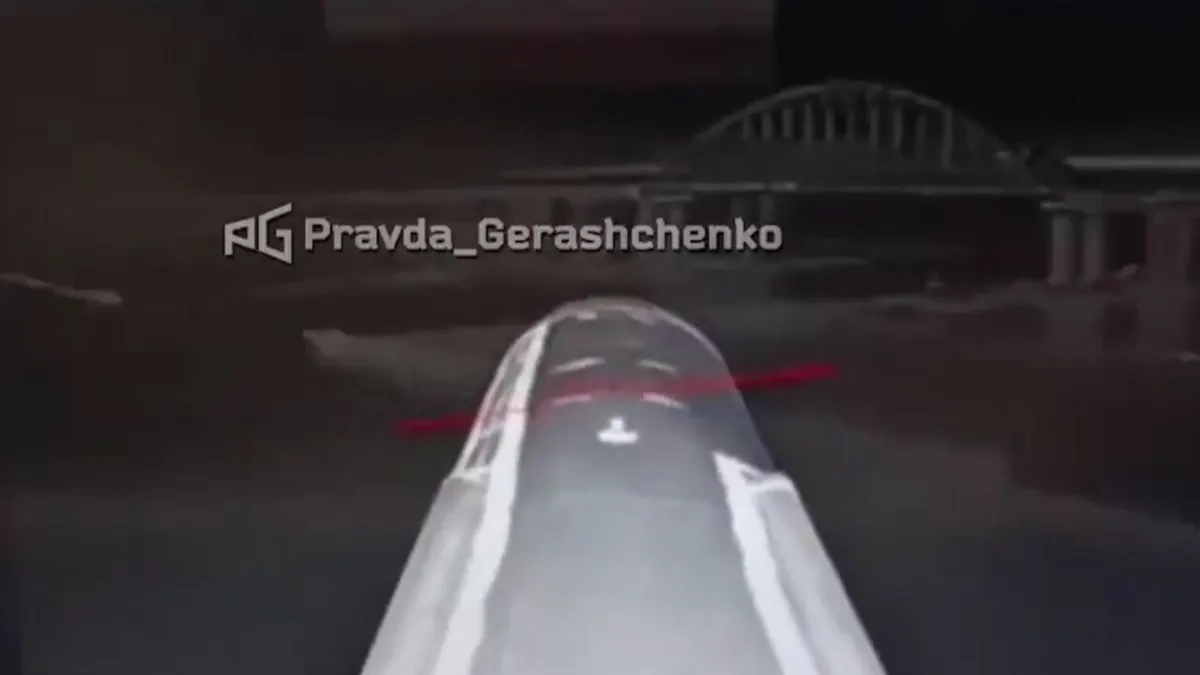
CRIMEA – The Crimea Bridge, a vital infrastructure connecting mainland Russia to the Crimean Peninsula, suffered complete paralysis after being hit by a second attack within the last 24 hours. The incident, occurring in 2026, resulted in the significant collapse of one bridge arch, with a section of the roadway plunging into the sea, severing a crucial transport route in the region.
The Russian government, through an official statement, promptly announced an emergency meeting to discuss bridge restoration measures. The primary focus of the discussion is the restoration and reconstruction plans following this severe damage. Moscow's swift response underscores the strategic importance of the bridge for their operations and logistics in the Crimean region.
Initial field reports indicate that the damage to the Crimea Bridge is extensive. The collapse of the main arch and the rupture of the roadway effectively halted all types of traffic, both civilian and military, across the Kerch Strait. This represents a significant blow to supply capacity and mobility on the Crimean Peninsula.
These consecutive attacks mark a serious escalation in the ongoing conflict. The Crimea Bridge, inaugurated in 2018, has always been a crucial symbol for Moscow and a primary logistical artery. Repeated damage raises serious questions about the security of strategic infrastructure and the effectiveness of air defenses.
In response to the escalating situation, Ukraine's capital, Kyiv, has also not been spared from the conflict's impact. Two main bridges spanning the Dnieper River in central Kyiv were reportedly closed to all access following a series of attacks by Russian forces. These closures were implemented for public safety and potential further threats.
The closure of bridges in Kyiv significantly hinders civilian mobility and internal city logistics. Kyiv authorities issued warnings to residents to seek alternative routes and remain vigilant regarding security developments. This condition reflects the high tension and risks faced by both sides.
International military and geopolitical analysts assess that the attack on the Crimea Bridge has profound strategic implications. The bridge functions not only as an economic artery but also as a primary military supply route for Russian forces operating in southern Ukraine. Its incapacitation could disrupt Moscow's capacity to move troops and equipment.
Conversely, Russian attacks on Kyiv, targeting both civilian and military infrastructure, represent an attempt to exert pressure on the Ukrainian capital. The closure of vital bridges in Kyiv can disrupt city activities and impede Ukrainian defense efforts, indicating a pattern of reciprocal attacks on critical infrastructure.
The situation on the ground remains highly dynamic, with both sides demonstrating the capacity to launch attacks against high-value targets. The international community is closely monitoring these developments, considering the potential for further escalation that could worsen the humanitarian crisis and regional stability.
Although there has been no official claim of responsibility for the Crimea Bridge attack from the Ukrainian side, this incident clearly benefits Kyiv's narrative of seeking to weaken Moscow's power. Meanwhile, the Kremlin insists it will restore the bridge as soon as possible, signaling its determination to maintain control over this vital route.
This marks a crucial moment in the conflict, where infrastructure becomes a primary battleground. The damage to bridges in both regions underscores the vulnerability of transport networks in wartime and their impact on civilian life and military operations.
Editorial Insight: The damage to the Crimea Bridge and the closure of bridges in Kyiv signal a new, more brutal phase in the conflict, focused on vital infrastructure. The incapacitation of the Crimea Bridge could significantly limit Russian logistical capabilities, forcing them to seek longer and riskier alternative supply routes. However, Russia's response to Kyiv demonstrates their capacity to cripple Ukrainian strategic targets as well. This escalation has the potential to prolong the conflict and increase civilian suffering, while testing the resilience and strategic adaptation of both sides in this unending war.