 Chris Robert
ROME — Italy faces a serious challenge in developing its cycling infrastructure, a crucial aspect of sustainable mobility where other European nations excel. Recent data from the “Cycling Counts” initiative indicates that Europe has successfully built approximately 135,000 kilometers of dedicated cycling infrastructure, setting new standards that far surpass Italy's achievements.
This gap, often referred to as the “Italian divide,” highlights the urgent need for accelerated investment and strategic planning for Italy to catch up with its neighbors on the continent. The distance to achieve infrastructure parity is significant, requiring a long-term commitment from both the government and the public.
Countries such as the Netherlands, Denmark, and Germany consistently serve as virtuous examples in providing safe and efficient cycling facilities. In their cities, bicycle paths are not just an alternative; they are the backbone of integrated urban transport systems, enabling millions of residents to commute without carbon emissions.
Mature cycling infrastructure not only reduces traffic congestion and air pollution but also enhances public health and the quality of life for citizens. The World Health Organization (WHO) and various global health organizations actively campaign for cycling as an effective solution to reduce the risk of non-communicable diseases and improve physical fitness.
Unfortunately, Italy remains bogged down in slow discourse and implementation. Despite some local initiatives, a comprehensive and integrated national policy to promote cycling infrastructure is still lacking, causing major projects to frequently be hampered by bureaucracy or insufficient funding.
The “Cycling Counts” analysis emphasizes that to “be on par,” Italy requires substantial investment focused not only on building new paths but also on connectivity, safety, and the maintenance of existing infrastructure. The quality of bicycle paths is as important as their quantity.
Environmental activists and cycling advocates in Italy continue to urge central and local governments to address this issue more seriously. They argue that green mobility is not merely a trend but an urgent necessity for the future liveability of Italian cities.
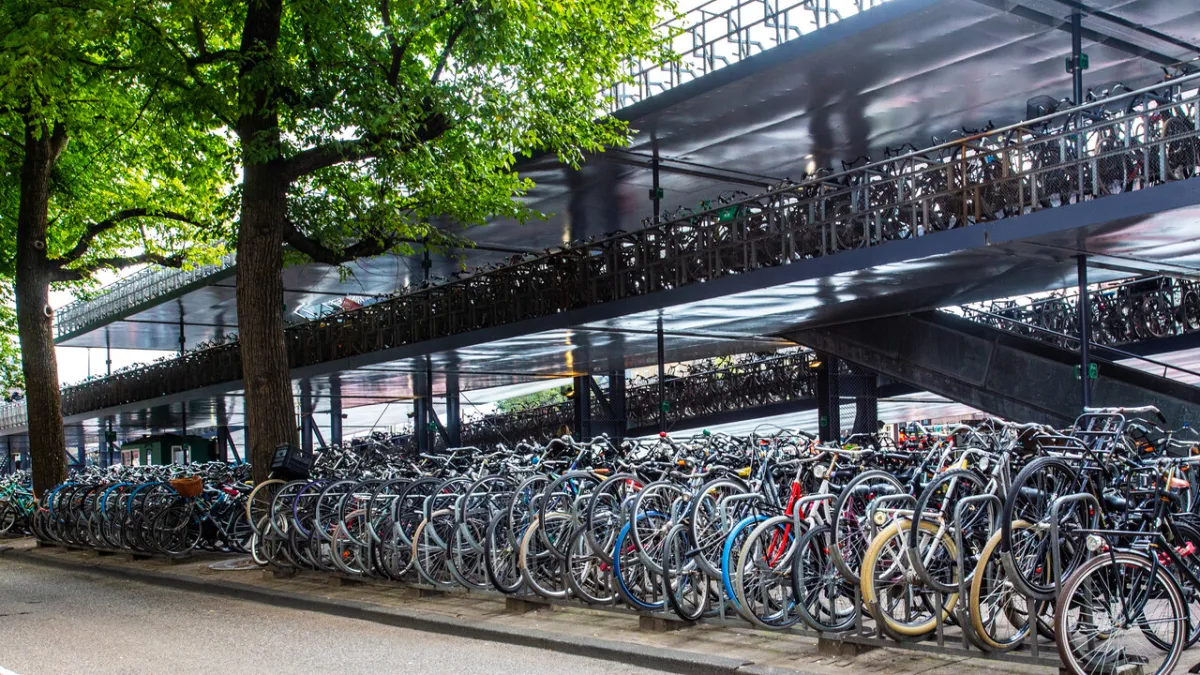
Public involvement is also crucial. Educational campaigns to promote a cycling culture, along with the provision of secure and easily accessible bicycle parking facilities, can accelerate the adoption of this mode of transport by the wider public.
Comparison with other European cities, such as Amsterdam or Copenhagen, illustrates how far Italy is from harnessing the potential of cycling as a modern transport solution. There, cycling is the norm, not the exception, supported by an intuitive and comprehensive network of paths.
The development of cycling infrastructure can also act as a catalyst for local economic growth, particularly in the tourism sector. Beautiful cycling routes in Italy's countryside and historic cities have enormous potential to attract international tourists, as seen in Northern European countries.
In the global environmental context, a commitment to sustainable mobility like cycling serves as an indicator of a country's seriousness in achieving carbon emission reduction targets. Italy, as part of the European Union, bears a collective responsibility to contribute to climate change mitigation efforts.
Moving forward, the Italian government is expected to formulate an ambitious and measurable master plan for cycling infrastructure development. Collaboration among the Ministry of Infrastructure, the Ministry of Environment, and local governments is key to overcoming this “Italian divide.”
Transitioning to more bicycle-friendly cities requires long-term vision and political courage. Today's investments in cycling infrastructure will yield dividends in the form of healthier, cleaner, and more efficient cities for future generations. Environmental issues in Italy, such as those highlighted in articles concerning the Seveso dioxin tragedy or the environmental health alert in Milano, further strengthen the urgency of this change.
The Italian government in 2026, under the leadership of President Sergio Mattarella and Prime Minister Giorgia Meloni, has a golden opportunity to change course and place Italy at the forefront of European sustainable mobility. Concrete steps in cycling infrastructure will be clear evidence of this commitment.
Closing the 135,000-kilometer gap is not an overnight task, but every kilometer built is a step forward towards a greener and more sustainable future for all Italian citizens.