 Edward DP Situmorang
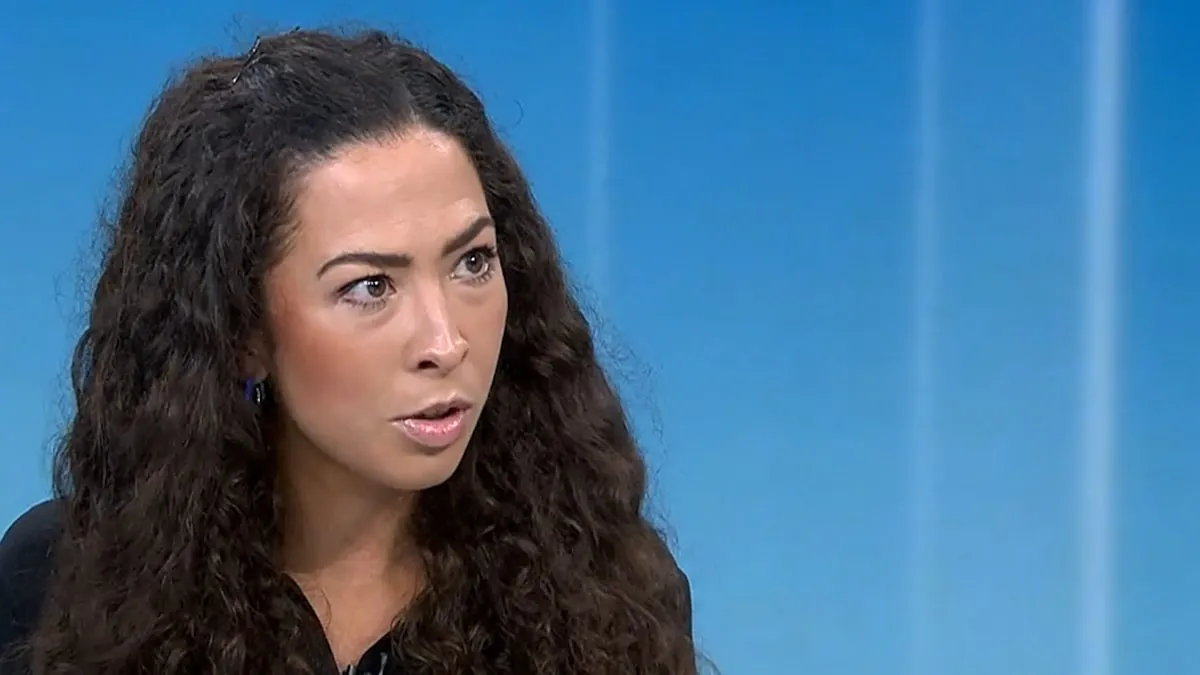
Berlin — Controversy regarding press freedom and potential bias in media coverage has once again emerged in Germany. Anna Schneider, WELT's Chief Reporter, launched sharp criticism against the media narrative following an incident where three journalists from Apollo News were attacked during the Alternative for Germany (AfD) party congress. Schneider asserted that some journalists apparently find it difficult to accept that not everyone holds left-wing views, a statement igniting a widespread debate about journalistic objectivity amidst the political polarization of 2026.
The incident involving the Apollo News crew became the primary catalyst for this debate. Although specific details of the assault have not been fully revealed to the public, the event was sufficient to highlight the vulnerability of the journalism profession in an increasingly heated political arena.
Schneider, in her vocal comments, warned against the relativization of fundamental rights, particularly press freedom, when discussions about violence against media representatives tend to be colored by ideological bias. According to her, it is crucial to acknowledge the diverse spectrum of views among journalists and avoid assumptions of political homogeneity.
The statement from the senior WELT journalist also implies an attempt to justify or downplay violence if the victims come from media perceived as not aligning with the dominant narrative. This issue poses a serious concern for the integrity of news reporting.
In response to this situation, press freedom organizations called for indiscriminate protection for all journalists. They emphasized that every attack on the press represents a threat to the pillars of democracy, regardless of the media outlet's political affiliation.
The debate about media bias, particularly concerning coverage of conservative or right-wing parties like the AfD, is not new. However, this latest incident adds a new dimension: the media's own response and framing of violence affecting their professional colleagues.
The AfD party itself is often the subject of sharp scrutiny and frequently accused of spreading extremism. In this context, media coverage of the party's activities has always been a sensitive topic, sparking prolonged discussions about objectivity.
Schneider's criticism underscores the urgency for every media institution to conduct deep introspection. An essential question arises: to what extent can the media maintain neutrality and report facts without being swayed by ideological preferences?
In the increasingly fragmented political climate of 2026, the role of independent journalism becomes even more vital. Society relies on the media for accurate and balanced information, not merely a reflection of a single viewpoint.
The incident of the attack at the AfD congress, as well as Anna Schneider's strong criticism, serves as a reminder that press freedom is a fundamental right that must be defended and respected by all parties, be they politicians, the public, or fellow members of the press. The role of journalists is to report, not to judge based on a particular political spectrum.