 Dorry Archiles

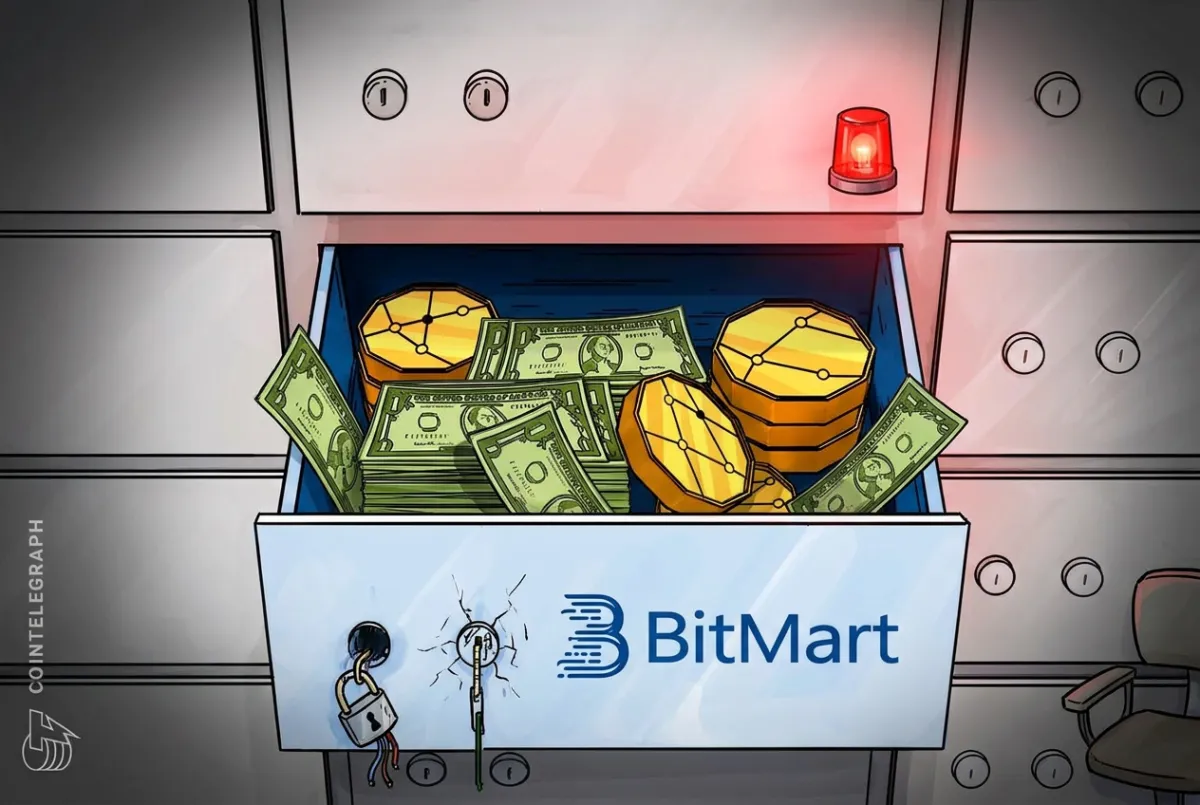
WASHINGTON – United States law enforcement authorities are aggressively pursuing over $1.1 billion in cryptocurrency, allegedly stolen from the digital asset exchange platform Binance by a hacking group affiliated with North Korea. This action, revealed in 2026, marks a significant escalation in global efforts to combat the Pyongyang regime's illicit funding through cybercrime.
Federal prosecutors in the U.S. have formally filed claims to seize control of a substantial amount of USD Coin (USDC) stablecoin assets that constitute part of the stolen funds. They are targeting assets still traceable across various digital wallets, reinforcing Washington's commitment to tracking and recovering funds used to support illegal weapons programs.
The strong suspicion of North Korea's involvement, particularly state-sponsored hacking groups, has been a central focus of the investigation. Pyongyang has long been accused of using cyber hacking as a primary source of revenue to fund its nuclear and missile programs, circumventing stringent international economic sanctions. This is not the first time they have been linked to large-scale cryptocurrency breaches.
A report from Elliptic, a leading blockchain analytics firm, corroborates these concerns. According to Elliptic, the hackers have successfully moved a significant portion of the stolen funds, approximately $247 million, through various Bitcoin mixing services or 'Bitcoin mixers'. This technique is designed to obscure transaction trails, making it more difficult to trace the origin and final destination of the funds.
This incident once again highlights the security challenges faced by giant crypto exchange platforms like Binance. Despite continuous security enhancement efforts, large-scale hacks remain a persistent threat, eroding investor confidence and prompting demands for stricter regulation from governments worldwide.
This case of massive cryptocurrency theft also affects the overall perception of the crypto market. Investors are increasingly demanding greater transparency and stronger protection mechanisms, especially given the inherent volatility of the crypto market. This situation also has the potential to spark discussions regarding the urgency of uniform cybersecurity standards in the industry.
North Korea's involvement in cybercrime is well-documented. For several years, various global intelligence agencies have identified entities such as the Lazarus Group as key perpetrators behind numerous sophisticated cyberattacks targeting banks, corporations, and crypto exchanges worldwide. This pattern underscores the organized and repetitive nature of the threat.
These developments will likely tighten regulatory scrutiny of crypto platforms. Governments, including in the United States, have repeatedly emphasized the need for stricter anti-money laundering (AML) and know-your-customer (KYC) measures to prevent the misuse of digital assets by malicious actors and state sponsors of terrorism.
The effort to recover these $1.1 billion in funds requires close international cooperation among law enforcement agencies, cybersecurity experts, and crypto platforms. Tracing digital assets across jurisdictional boundaries is a complex task demanding effective global coordination to ensure perpetrators are held accountable.
In 2026, cybersecurity remains a top priority for the digital financial industry. Incidents like this serve as a stark reminder that technological innovation must always be balanced with advanced and responsive security measures, especially when facing evolving threats from state actors.
Editorial Insight: The U.S. effort to recover $1.1 billion in stolen crypto is more than just law enforcement; it's a geopolitical battle using the digital landscape as its arena. North Korea's involvement highlights how rogue states exploit loopholes in the crypto ecosystem to fund illicit operations. The successful recovery of these funds would set a significant precedent, sending a strong message that digital assets are not entirely anonymous and that cybercrime has real consequences. However, the technical challenges of tracking and seizing fast-moving assets on blockchain networks remain a significant hurdle, requiring continuous innovation from authorities. This case also accelerates discussions about more coordinated global regulation for the crypto industry, to prevent it from becoming a haven for illegal activities.