 Chandra Wijayanto
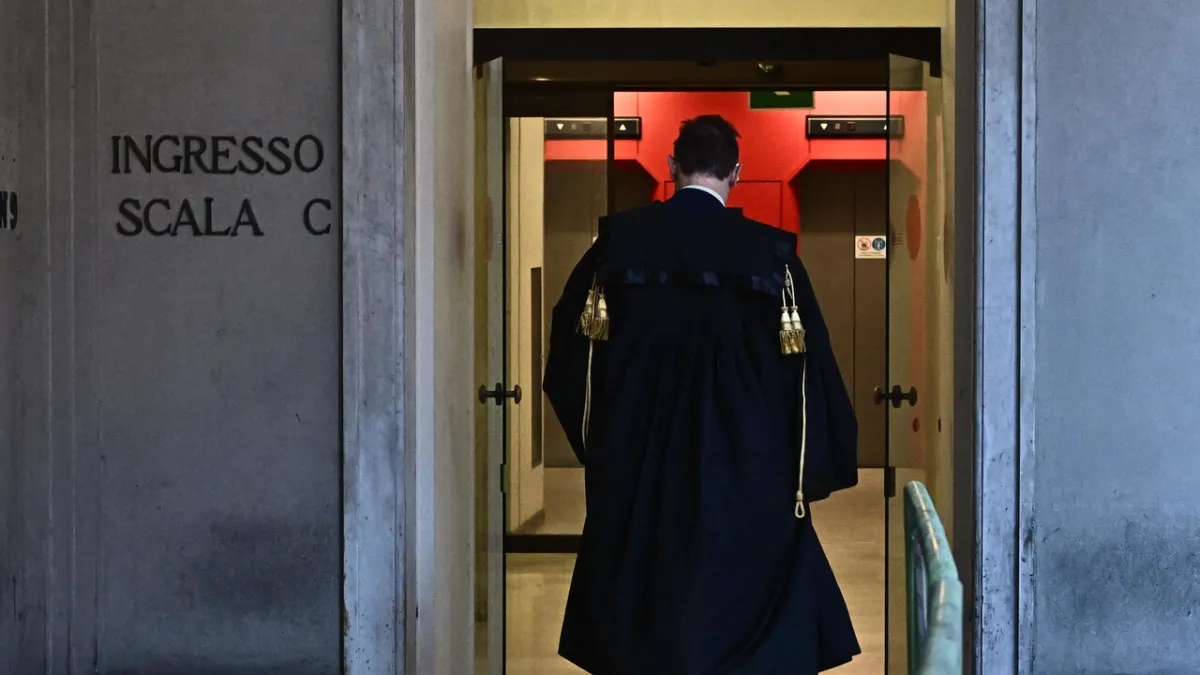
GENOA — After an eight-year wait marked by profound grief and legal battles, an Italian court is poised to deliver its final verdict in the Morandi Bridge collapse case, which claimed 43 lives. The sentencing trial for 57 defendants, including former executives and engineers from the highway management company, is scheduled for this coming Thursday. This marathon legal process, comprising 284 hearings, marks a crucial chapter for victims' families and the public's demand for justice in one of Europe's most harrowing infrastructure disasters.
The tragic incident occurred on August 14, 2018, when a significant section of the Morandi Bridge, a brutalist architectural icon spanning the Polcevera River and a railway line in Genoa, suddenly gave way amidst a storm. Dozens of vehicles plunged tens of meters, killing 43 people and injuring a dozen more. The event sent shockwaves through Italy and globally, raising serious questions about the safety standards and maintenance of vital infrastructure.
Prosecutors in the trial have sought cumulative prison sentences exceeding 400 years for the defendants. They are accused of multiple manslaughter, serious negligence, and failure to ensure public safety. The primary allegations center on the claim that the bridge's collapse was not merely an unforeseen accident but a consequence of long-term neglect in maintenance and structural inspections.
Among the defendants are senior officials from Autostrade per l’Italia (ASPI), the company responsible for managing the bridge, as well as from its subsidiary, Spea Engineering. The prosecution's case highlights alleged systematic cost-cutting in maintenance, disregard for warning reports, and prioritizing profit over public safety.
The disaster not only resulted in a heavy loss of life but also sparked a wave of public outrage. Thousands of Genoa residents lost access to a vital highway, and the local economy was severely disrupted. Intense debates emerged regarding the privatization of public services and the state's responsibility in overseeing private entities managing critical infrastructure.
For the victims' families, this legal process has been a bitter wait for clarity and accountability. Many have attended every court session, seeking answers as to why their loved ones had to die in a tragedy that should have been preventable. "We just want justice to be served, so no other family has to suffer as we have," stated a representative of the victims' families.
After the debris was cleared, a replacement bridge, the Viadotto Genova-San Giorgio, designed by renowned architect Renzo Piano, opened in 2020. This reconstruction became a symbol of Genoa's resilience and rebirth, yet the scars of the tragedy remain etched in the collective memory. Public hope now rests on the court's verdict, which is expected to provide valuable lessons for the future management of Italy's infrastructure.
The Morandi case has prompted a comprehensive evaluation of infrastructure conditions across Italy and even in Europe. The Italian government, through the Ministry of Infrastructure and Transport, has tightened oversight regulations and increased investment in bridge and highway maintenance. This aligns with broader efforts highlighted in the article "Italy Evaluates Its Path to 2030: After New York, What's Next?" which discusses Italy's commitment to sustainable development and infrastructure safety.
Despite the severe demands of the prosecution, challenges in prosecuting such complex cases always persist. Lengthy appeal processes often become obstacles. However, this first-instance court ruling remains a significant milestone in the pursuit of justice and ensuring corporate and individual accountability for public safety.
With the judgment day approaching, all eyes are on the Genoa court. The decision to be announced this Thursday will not only determine the fate of the 57 defendants but will also set an important precedent for infrastructure safety standards and the hope for justice for future victims.