 Dodi Irawan
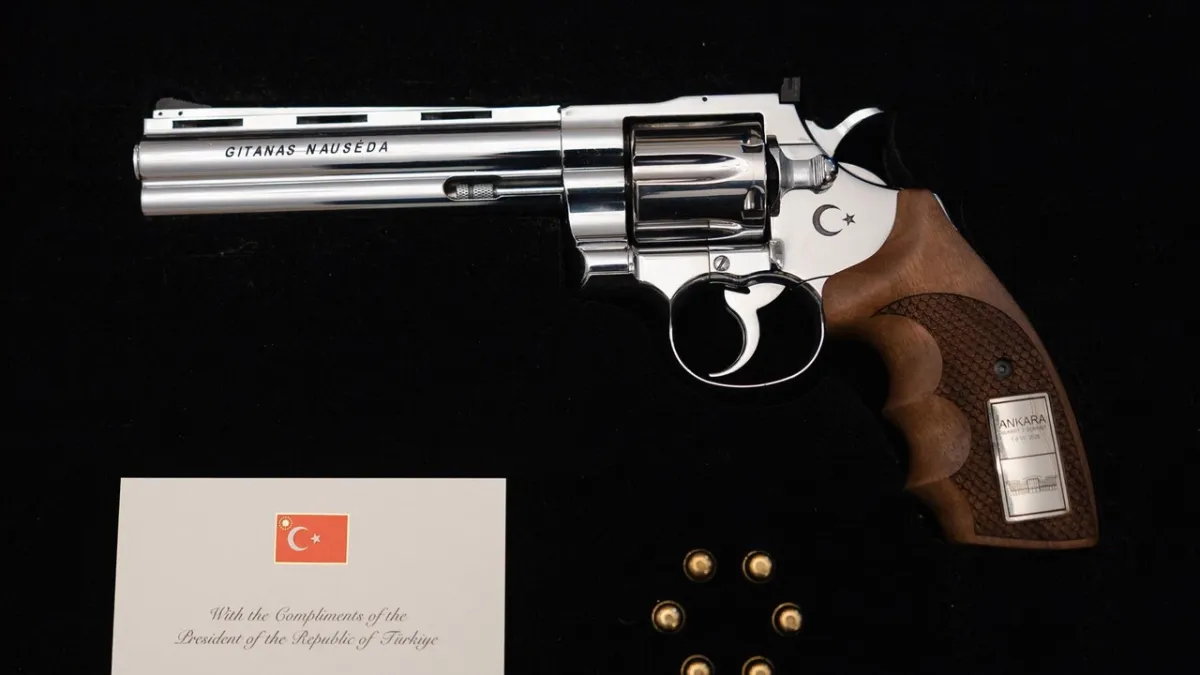
BRUSSELS — A diplomatic gift from Turkish President Recep Tayyip Erdogan has once again drawn attention. This time, a personalized pistol presented to a European leader has sparked discussion on the ethics and protocol of handling state gifts. Ursula von der Leyen, President of the European Commission, opted to hand over the pistol to a military museum, emphasizing a commitment to transparency and adherence to official gift regulations.
This incident occurred in the context of a state visit or bilateral meeting in early 2026. The practice of giving distinctive gifts, especially personalized ones, is a long-standing tradition in international diplomacy. Erdogan is known for his custom of presenting bespoke luxury or symbolic items to world leaders.
Von der Leyen's decision not to keep the gift personally, but instead to entrust it to a public institution, underscores the strict standards applied within European bodies. This move aims to avoid potential conflicts of interest or negative perceptions that might arise from receiving high-value gifts.
Similar protocols apply in various countries, including Italy. This specific gift, like all those received by Italian Prime Minister Giorgia Meloni from other heads of state and government, must be promptly reported and stored at Palazzo Chigi, the official residence of the Prime Minister. This ensures that all official gifts become state assets, not personal property.
Von der Leyen's action is praised as an example of leadership with integrity. Amid increasing public scrutiny of officials and politicians, such transparent actions are crucial for maintaining public trust in government institutions and their leadership.
The exchange of gifts between heads of state or government often carries deep symbolic meaning, representing bridges of friendship and cooperation. However, the material value and nature of gifts, such as weaponry, can raise questions about the appropriateness of personal retention.
Ethics and international law experts consistently call for clear guidelines regarding state gifts. They argue that every item received should be evaluated based on its value, purpose, and potential impact on diplomatic relations or public perception.
This case also highlights differences in gift protocols across various jurisdictions. Some countries may have clear value limits, where gifts above a certain threshold automatically become state property. Others might allow officials to purchase such gifts from the government at a discounted rate.
The decision to hand over the pistol to a military museum is not merely an act of compliance but also a symbol of appreciation for the historical and cultural value of the object. It transforms a personal gift into part of the public heritage, making it educational for future generations.
As the Italian Prime Minister, Giorgia Meloni also faces similar protocols regarding diplomatic gifts. Italy's strict system ensures that all gifts are reported and properly stored, reaffirming the nation's commitment to the integrity of its public officials. This aligns with Italy's efforts to ensure transparent and accountable governance, as often articulated in international forums, including issues related to ongoing commitments within NATO.
The European public increasingly demands accountability from their leaders. Cases like this serve as an important reminder of the significance of ethics in diplomacy. Leaders are expected not only to adhere to laws but also to uphold high moral standards in every action.
The management of diplomatic gifts is an integral part of modern diplomatic practice. Transparency in this process is vital to prevent accusations of corruption or abuse of power, which can damage the reputation of a leader and the nation they represent.
Von der Leyen's move could set a precedent for other leaders in handling gifts of significant symbolic and material value. It strengthens the narrative of leadership that prioritizes public interest over personal gain.
This event once again underscores that in the complex world of diplomacy, every action, no matter how small, can have major implications. Decisions on how to handle diplomatic gifts are not merely personal matters but reflections of institutional and national values.
Moving forward, it is hoped that there will be harmonization of diplomatic gift protocols at an international level to avoid confusion and ensure consistent ethical standards among world leaders.