 Angel Doris
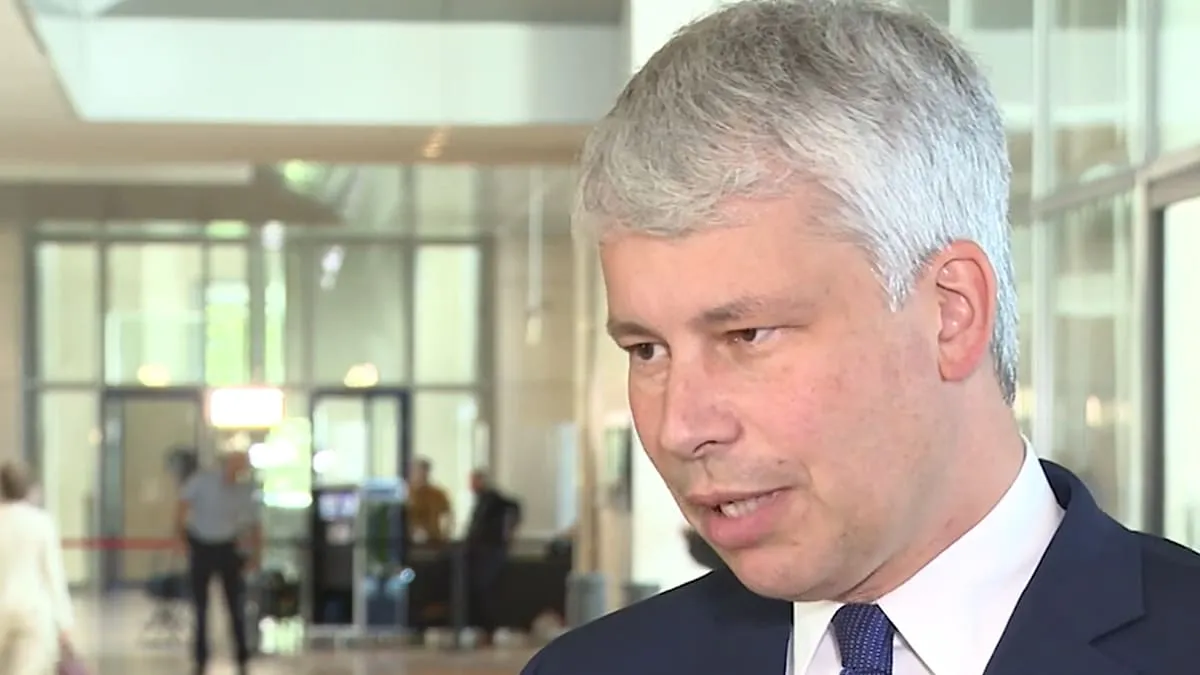
BERLIN — Steffen Bilger, a prominent politician from Germany's Christian Democratic Union (CDU) party, recently launched a sharp critique of the ruling coalition's fiscal policy, advocating for substantial tax burden reductions. In an exclusive interview on WELT TV, Bilger unequivocally stated that Germany has become a "high-tax country" that must not continually "turn the spiral" of increasing fiscal levies, a serious warning for national economic stability in 2026.
Bilger's statement is not merely political rhetoric but a reflection of deep concerns regarding Germany's economic competitiveness. He highlighted how the escalating tax burden significantly hinders business growth, depresses consumer purchasing power, and ultimately erodes the potential for innovation within a competitive global economic landscape.
Over the past few years, Germany has indeed faced intense scrutiny regarding its complex and often burdensome tax structure. Various independent economic studies frequently place Germany among the countries with the highest tax rates in the European Union, both for corporations and middle to high-income individuals.
The direct impact of this tax regime is felt by millions of German citizens and thousands of businesses. The public experiences inflationary pressure exacerbated by indirect taxes, while companies grapple with rising operational costs, which can affect investment decisions and job creation.
As the main opposition party, the CDU consistently advocates for urgent tax reform. They argue that the current fiscal policy acts as a barrier to post-pandemic economic recovery and adaptation to existing geopolitical challenges. The call for tax cuts has become a cornerstone of their political agenda leading up to the middle of this decade.
Similar calls have resonated strongly before. Our previous publication, "Germany Choked by High Taxes: CDU Urges Coalition to Immediately Cut Fiscal Burden," has detailed how the CDU has persistently pushed the government coalition to take concrete steps to reduce the fiscal load. This demonstrates the party's consistent position.
Bilger metaphorically described the situation as "turning an endless spiral." According to him, whenever the government faces budget challenges, the instant solution often chosen is to raise taxes or create new levies, without considering the long-term consequences for productivity and general welfare.
He urged the ruling coalition, comprising the SPD, Greens, and FDP, to review budget priorities and seek more sustainable solutions. Bilger suggested that the government focus on spending efficiency, deregulation, and stimulating economic growth through incentives, rather than tax disincentives.
This debate over tax policy is expected to intensify throughout 2026, especially given the potential shifts in the global and domestic political landscape. Pressure from the opposition, such as the CDU, may compel the coalition to respond or at least explain their fiscal strategy in more detail to the public.
Without significant changes, Bilger's warning could become a bitter reality. Germany's status as a "high-tax country" risks hindering growth, suppressing competitiveness, and ultimately harming citizens and the economy as a whole, necessitating swift and measured action from policymakers.