 Dorry Archiles
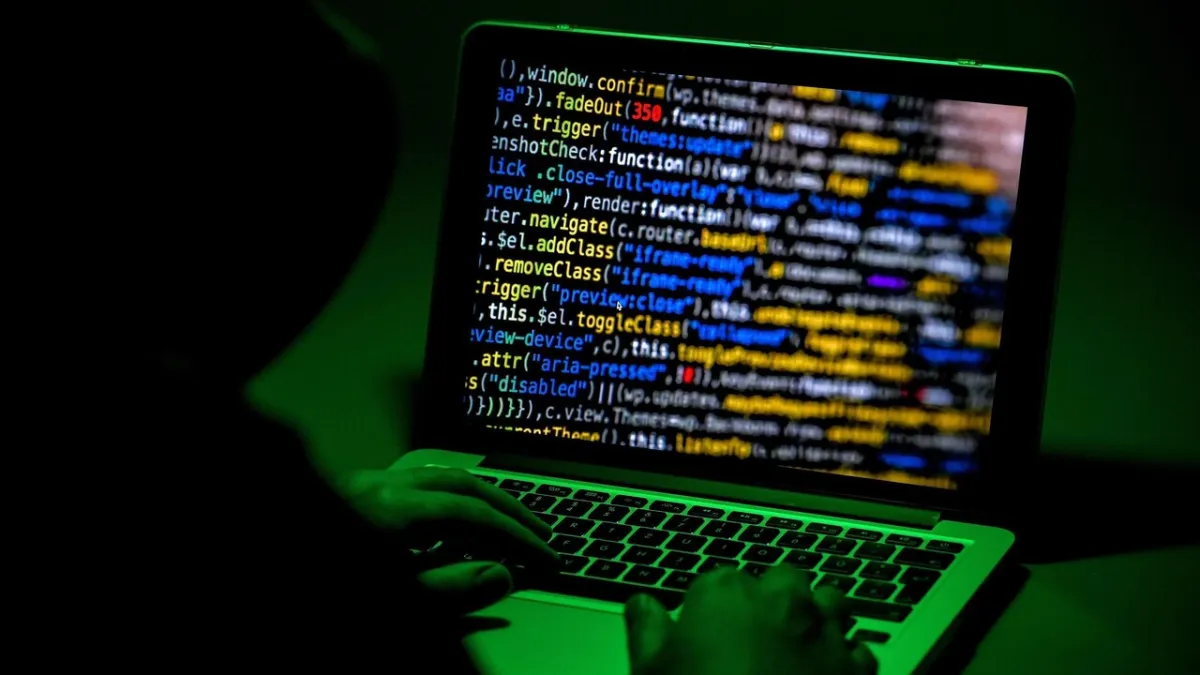
PARIS – A massive cyberattack has shaken France after personal data of approximately 700,000 taxpayers was successfully hacked from the national fiscal authority. This incident, which occurred recently in 2026, triggered an urgent crisis meeting within the government and a wave of public controversy following the hackers' claim that the data had been already sold.
The hack was revealed after an anonymous group of hackers claimed responsibility for the attack, distributing a small portion of the data as proof of their claim's validity. They not only managed to access sensitive information but boldly stated that the dataset had changed hands on the dark web.
This shocking news immediately sparked panic among citizens and raised serious questions about the security of digital data managed by the state. French authorities are now facing immense pressure to explain how an incident of this magnitude could occur and what concrete steps will be taken to protect millions of other data records.
Immediately after the information circulated, the French Government held a high-level crisis meeting. President Emmanuel Macron chaired the meeting, involving the Minister of Finance, the Minister of Interior, and the head of the national cybersecurity agency. Intensive discussions focused on mitigating the impact, investigating the perpetrators, and strengthening the country's digital infrastructure.
However, the hackers' blunt statement, We have already sold them, fueled the controversy. Critics highlighted the government's weak cyber defenses and demanded transparent accountability for this failure. The political opposition called for a thorough independent investigation and urged reforms in data security policies.
This incident is not merely a common data breach; it is a loud alarm for every citizen who entrusts their personal information to government agencies. The threat of identity theft, financial fraud, and data misuse has become a tangible nightmare now looming over the compromised taxpayers.
In recent years, cyber threats have shown a drastic increase globally, including attacks targeting vital state institutions. This hacking case reaffirms that no country is entirely immune to sophisticated attacks from organized cyber actors, whether criminal groups or state-backed entities.
The French government has pledged to provide compensation and legal protection for the victims. They also announced a series of emergency measures, including enhanced encryption systems and strengthened cybersecurity protocols across all ministries and government agencies.
International cooperation will also likely be key in tracking down the perpetrators. France is expected to coordinate with European law enforcement agencies like Europol and Interpol to uncover the hacker network responsible for this crime.
This fiscal data breach will not only lead to legal and financial consequences but also potentially erode public trust in the government's capability to protect citizens' privacy. This marks a crucial moment for France to reflect and fundamentally strengthen its digital security foundation.
Editorial Insight: The incident of the French taxpayer data breach highlights the fragility of governmental cyber infrastructure in the digital age. The hackers' statement regarding data sale indicates strong economic motivation, complicating data recovery efforts and adding urgency to the government's response. Long-term consequences are not limited to financial losses or identity theft but could also undermine government legitimacy and prompt profound reforms in national cybersecurity governance. The biggest challenge now is to restore public trust and prove that the government can protect its citizens' vital data from continuously evolving threats.