 Angel Doris
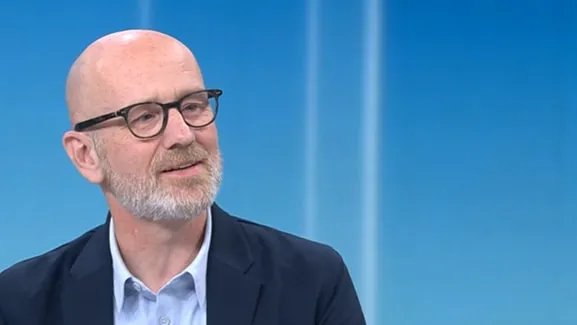
BERLIN — Peter Tauber, former Secretary-General of the Christian Democratic Union (CDU) party, recently delivered surprising praise for the pension reform packages introduced by the German federal government in 2026. This statement has garnered widespread attention given Tauber's position as an opposition figure, simultaneously highlighting the significant impact of policies aimed at strengthening the country's old-age security system.
In his recorded comments, Tauber specifically stated, "Especially in the pension sector, what the government has achieved is truly commendable." This expression indicates substantial success in policy formulation capable of transcending partisan political boundaries, even earning recognition from ideological rivals.
He continued by highlighting the "wucht" or significant impact of these two reform packages. "Many parties were surprised by the strength and scope of these two reform packages," he said, describing the comprehensive nature of the initiatives championed by the governing coalition.
However, the praise did not come without a warning. Tauber emphasized the importance of careful execution. "The crucial thing now is to ensure implementation proceeds as planned," he stated, stressing that the ultimate success of these policies heavily depends on their execution on the ground.
Otherwise, the potential consequences would be far worse. "If this program fails to materialize, public disappointment will be multiplied," he added, indicating the high stakes resting on the shoulders of the current coalition government, given the high hopes that have been built.
Peter Tauber's statement comes amidst a German political discourse often characterized by sharp disagreements on crucial issues. Praise from a former high-ranking figure of a prominent opposition party provides unexpected legitimacy for the government's reform agenda.
Pension reform in Germany is a sensitive issue that has long been debated, particularly concerning demographic challenges. An aging population and low birth rates continue to pressure the sustainability of the social security system. This situation is reminiscent of the intense debate surrounding Germany's stalled healthcare reform, demonstrating the complexity of social policies in the country.
The 2026 reform package reportedly includes adjustments to the retirement age, increased contributions from workers and companies, and potential financial injections from state coffers. The specific details of these policies are a major focus of public attention and economic analysts.
From the governing coalition's side, a spokesperson welcomed Tauber's praise, reiterating their commitment to completing the reforms comprehensively. They emphasized that the main goal is to create a fair and sustainable pension system for all generations.
Several independent economists also appreciated the government's courage in tackling the complex pension issue. However, they also voiced caution, reminding that the long-term impact of these reforms needs continuous evaluation.
The implications of this policy are felt not only by the elderly generation but also by the younger generation who will bear the burden of the pension system in the future. Effective reforms are expected to provide financial security for retirees without excessively burdening the youth.
Politically, recognition from Tauber could alleviate some internal criticism within the CDU itself, which might be reluctant to support the coalition government's policies. It also potentially opens room for constructive inter-party dialogue on other important issues.
The stakes for the German government are extremely high. The successful implementation of pension reforms will be a significant legacy for the current cabinet and has the potential to fundamentally change the country's socio-economic landscape. Conversely, failure will create a massive wave of disappointment that could erode public trust in political institutions.
Peter Tauber's statement is not just praise, but also a barometer of how government policies can transcend ideological divides when faced with urgent national challenges. Germany looks towards its pension future with both hope and high vigilance.