 Robert Andrison
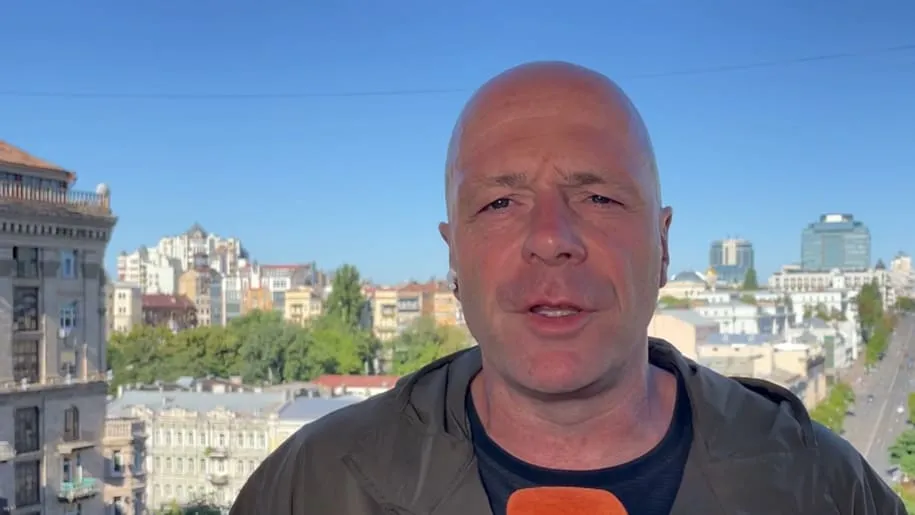
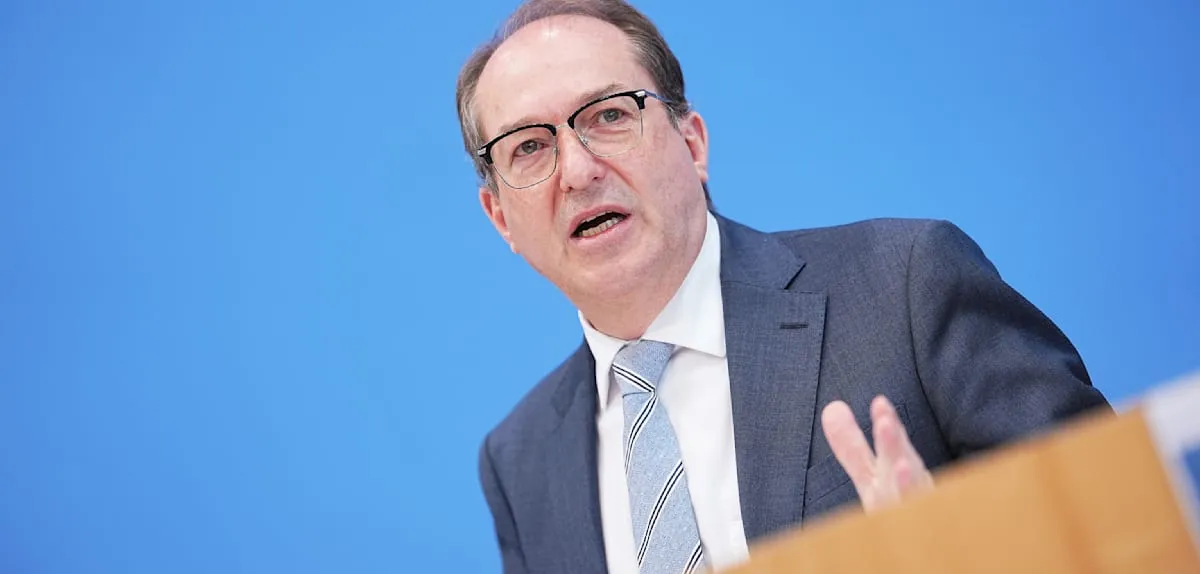
MOSCOW — Alexander Graf Lambsdorff, the outgoing German Ambassador to the Russian Federation, has voiced serious concerns regarding a potential second wave of military mobilization in Russia in 2026. This apprehension is reinforced by correspondent Christoph Wanner's assertion, who claims to have heard directly from acquaintances in Moscow about such plans, raising critical questions about Russia's capacity to accommodate a significant number of troops.
These statements emerge amidst escalating geopolitical tensions and the ongoing conflict in Eastern Europe. Ambassador Lambsdorff, whose tenure in Moscow afforded him deep insights into the internal dynamics of the Kremlin and the Russian armed forces, articulated a prediction underpinning his worries.
According to Christoph Wanner, a senior journalist with extensive connections in the Russian capital, his sources from his time working in Moscow consistently indicate that a second wave of mobilization "will come." Wanner's quote illustrates the potency of informal intelligence signals circulating among diplomats and journalists.
This prediction is more than mere whispers. Furthermore, the pressing question concerns how Russia would manage logistics if a large-scale second mobilization were to occur. The issue of "where to put all the soldiers," articulated in this context, highlights potential massive infrastructural and training challenges.
Previous partial mobilizations have demonstrated various constraints, ranging from equipment issues to accommodation. A subsequent wave could exacerbate the situation, straining the country's military and logistical systems already stretched thin by a protracted conflict. This challenge is not merely about numbers but also concerns combat effectiveness and readiness.
The conflict in Ukraine, entering a crucial phase in 2026, is believed to be the primary driver behind these considerations for additional mobilization. Russian forces continue to strive for their strategic objectives, and the need for human resources remains a decisive factor in any escalation. Battlefield dynamics suggest the necessity of a continuous supply of personnel to maintain momentum or launch new offensives.
The concerns raised by Lambsdorff and Wanner naturally resonate in European capitals, including Berlin. Western nations are closely monitoring any indications of escalation from Russia, which could alter their strategic calculations and foreign policy responses. Germany, as a major economic power in Europe, has a significant interest in maintaining regional stability.
A potential second mobilization could also trigger significant social and economic impacts within Russia. Pressure on families whose members must depart for the front lines, coupled with potential disruptions to the labor market, could amplify public sentiment and create internal unrest. This is not a light decision for the Kremlin, with long-term consequences that must be considered.
In a broader context, reports of potential mobilization align with other indications of increased military activity in the region. For instance, Ukrainian naval drones have altered the dynamics of the war on Russia's coast in 2026, demonstrating adaptation and technological escalation in the conflict. This might compel Russia to seek ways to reinforce its defensive and offensive capabilities.
The international community now anxiously awaits further developments. A large-scale second mobilization would undoubtedly signal that Russia is prepared for further escalation, potentially prolonging the conflict and deepening global polarization. European solidarity with Ukraine becomes increasingly urgent in the face of this possibility, as highlighted in the article Europe at a Crossroads: Ukrainian Solidarity Urgent, Critical Window Narrows.
Overall European security conditions are also under close scrutiny. Concerns about real threats to Germany itself, as mentioned in the report Germany Under Threat of Real Attack, Intelligence Given New Powers, further underscore the sensitivity of such intelligence.
With Ambassador Lambsdorff's term ending and his warnings delivered, the world's focus now shifts to the Kremlin. Whether Russia will indeed take this drastic step, and how the world will react to a possible wave of mobilization, remains a major question looming in 2026.