 Angel Doris
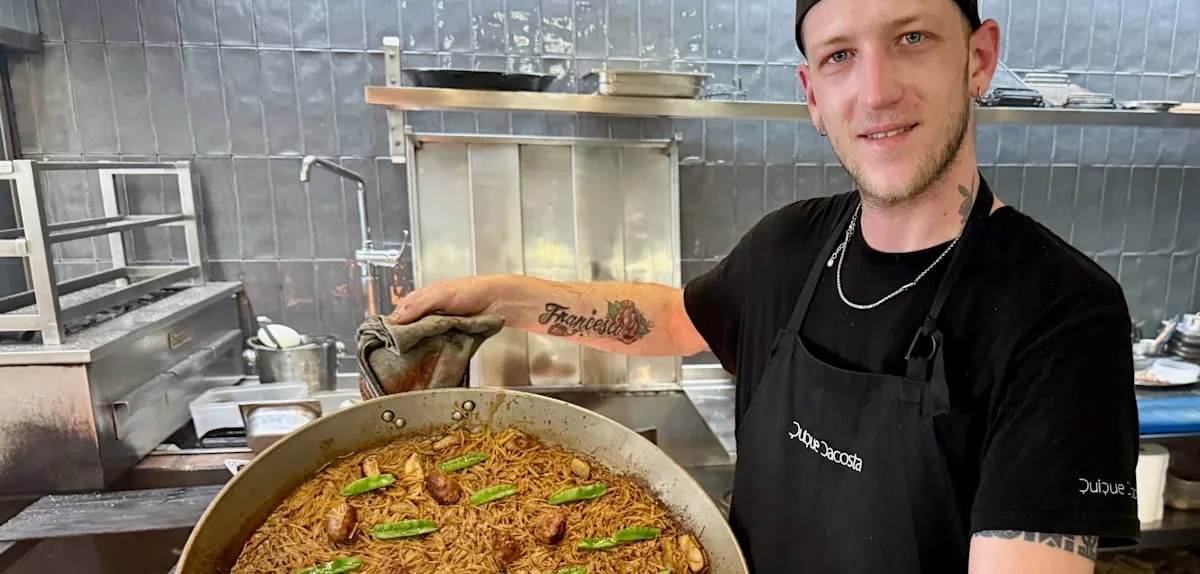
VALENCIA — A culinary myth deeply entrenched in the minds of global tourists has finally been exposed: authentic Valencian paella, Spain’s proud rice dish, involves absolutely no seafood. The widespread perception of paella as a rice dish laden with various marine life elicits profound bewilderment from native residents in its birthplace, Valencia, this year in 2026.
A journey through Valencia’s historic alleyways reveals a different reality. Here, paella is a revered tradition, with recipes passed down through generations, far removed from the modern interpretations often found in tourist restaurants elsewhere in the world. The emphasis on local, fresh ingredients is at the core of their culinary philosophy.
Traditionally, true Valencian paella, or paella valenciana, uses ingredients from the land such as chicken, rabbit, green beans (like garrofó beans), tomatoes, olive oil, and, of course, saffron, which gives it its characteristic golden hue. The rice used also has specific characteristics, capable of absorbing broth perfectly without becoming too soggy.
The people of Valencia view paella not merely as food, but as a communal ritual. This dish is often prepared over an open wood fire, in a large flat pan called a paellera, to be enjoyed with family and friends. This long and attentive cooking process is an inseparable part of the authentic paella experience.
“People outside Valencia often do not understand the true essence of paella,” stated Ricardo Sánchez, a third-generation paella chef at an old restaurant in central Valencia, in a recent interview this year. “For us, adding shrimp, squid, or mussels is a desecration of the original recipe that is centuries old. It might be delicious, but it is not Valencian paella.”
The global phenomenon of seafood paella is thought to have originated from the popularity of seafood along the Mediterranean coast and the tourism industry’s desire to offer more appealing variations to international visitors. Over time, this interpretation has shifted public understanding of what truly constitutes "Spanish paella."
Culinary experts and food historians in Spain have repeatedly tried to educate the public about this distinction. They emphasize that paella has many regional variations, and seafood paella is one of them, known as paella de marisco, but it should not be equated with the original paella valenciana.
The importance of distinguishing these types of paella is not just about the recipe, but also about respecting cultural heritage. Each variant has its own history and geographical context. Ignoring these differences means blurring the true richness and diversity of Spanish cuisine.
Tourists visiting Valencia in 2026 are advised to look for restaurants that explicitly offer paella valenciana tradicional. Many establishments have put up signs or explained to customers the difference between authentic paella and its other variants. This is part of the effort to preserve the local culinary culture.
In fact, some restaurants in Valencia refuse to serve paella with seafood to maintain the authenticity of their dish. This firm stance is a strong commitment to preserving the city’s culinary identity.
With increasing awareness of the importance of understanding authentic culinary cultures, it is hoped that the myth surrounding seafood paella will gradually erode. Understanding the origins and true ingredients of a dish not only enriches the dining experience but also honors the history and traditions that accompany it.
A culinary journey to Valencia this year is not just about satisfying the palate, but also a valuable lesson in how globalization can alter perceptions and how a community strives to maintain the authenticity of their cultural heritage. As a traveler, understanding these nuances is part of the true global awareness test.