 Chris Robert

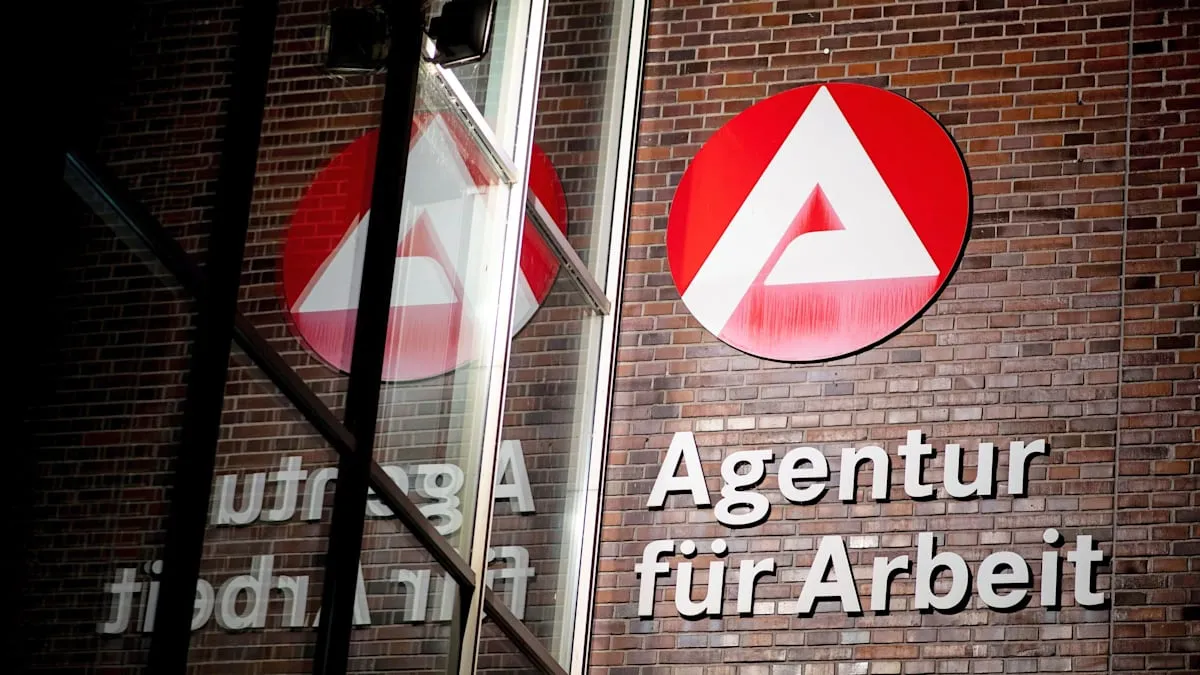
Hamburg — The unemployment rate in the port city of Hamburg surged significantly in July 2026, reaching 8.5 percent, sparking deep concerns about Germany's economic stability amidst an economic slowdown. This increase, though seemingly moderate from the previous month, reflects broader pressures on regional and national labor markets that are now facing global challenges.
The German Federal Statistical Office noted that this rise represents thousands of individuals now jobless, adding strain to the social security system and slowing down domestic consumption. Initial analyses indicate that the service and manufacturing sectors are experiencing significant demand contraction.
The global economic slowdown, triggered by geopolitical uncertainties and fluctuating energy prices, plays a major role in this situation. Companies in Germany, including those in Hamburg, tend to postpone investments and reduce new hiring in response to a bleak outlook.
The North German Metal and Electrical Industry Federation (Norddeutsche Metall- und Elektroindustrie) specifically voiced serious concerns. They observe a declining readiness or "Ausbildungsfähigkeit" (employability/training capability) of school leavers to enter an increasingly complex and demanding workforce.
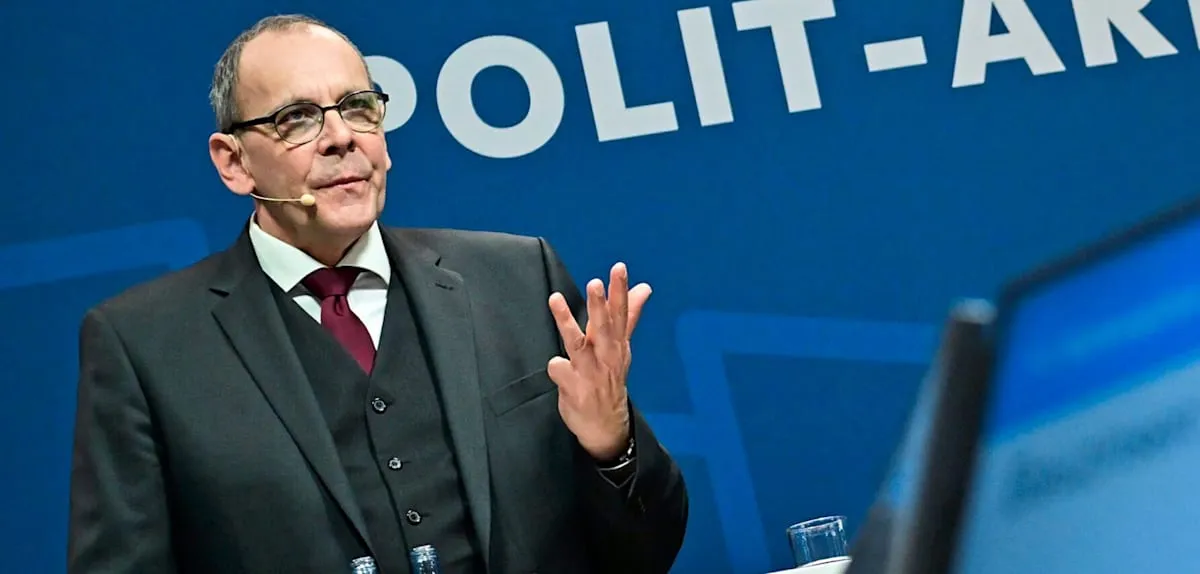
"We are seeing a widening skills gap between what is taught in schools and what industry needs," said a federation representative who wished to remain anonymous. "This is not just an economic issue, but also a structural challenge that requires urgent education and vocational training reforms."
This gap potentially creates a negative spiral, where the availability of skilled labor dwindles, hindering innovation and making Germany less competitive in the global market. Retraining and upskilling programs are crucial to addressing this challenge.
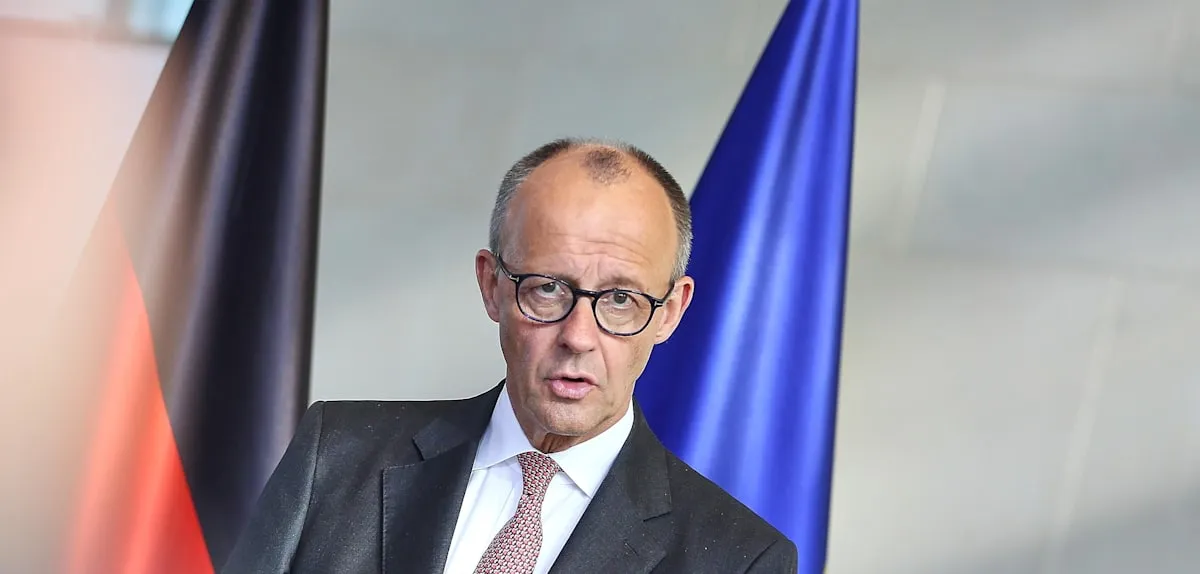
The German federal government, under the current Chancellor's leadership, has pledged to address unemployment through various initiatives. However, with increasing challenges, including debates on pension system reforms championed by some parties, as reflected in the discussion Storm over German Pensions: CDU Social Wing Challenges Merz 2026 Plan, policy focus becomes highly distracted.
Economists from the Hamburg Institute of International Economics (HWWI) project that without strong intervention, unemployment figures may continue to rise towards the end of 2026. They call for bolder economic stimulus packages and investment in skills-based education.
This phenomenon is not limited to Hamburg alone. Recent data from various regions across Germany also show similar trends, albeit on different scales. Rising inflation and cost of living also exacerbate economic pressure on households.
This condition demands synergy among the government, private sector, and educational institutions to create an ecosystem that supports job growth and prepares the younger generation to face market dynamics. Without collective effort, this economic sluggishness can have long-term impacts on social welfare.
The people of Hamburg and all of Germany now await concrete steps from policymakers. Hopes are pinned on programs that not only provide a social safety net but also stimulate sustainable economic growth and create relevant job opportunities in the modern era.