 Gabriella
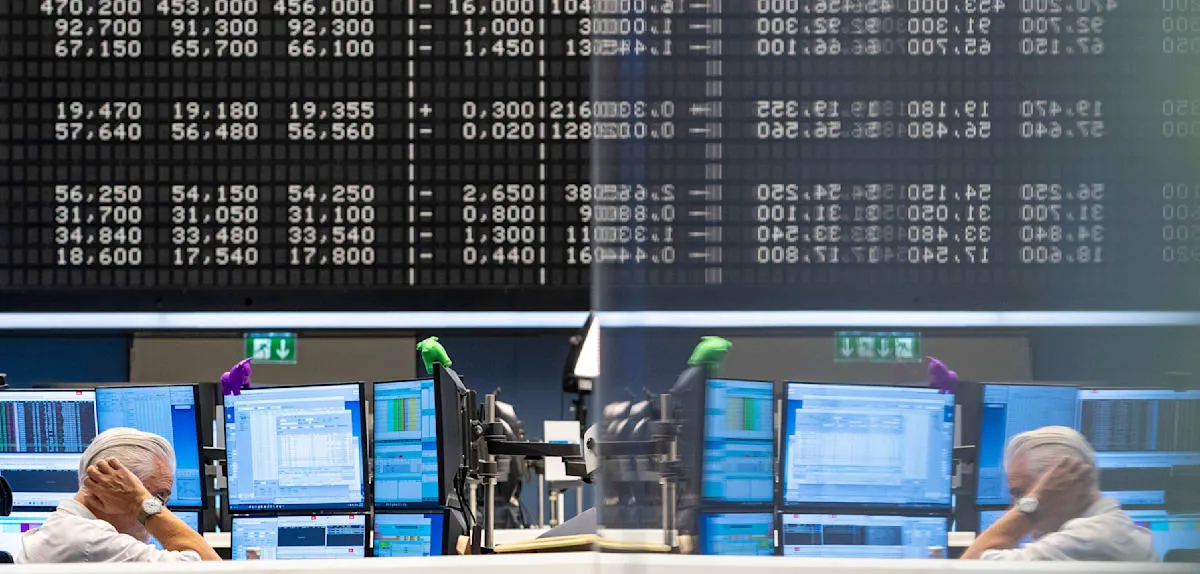
JAKARTA — Global stock markets continue to hit record highs, reaching unprecedented levels in 2026. However, this euphoria is now overshadowed by deep concern among experienced investors, following the emergence of three key indicators suggesting the market has reached irrational levels, fueling speculation of a potential significant financial collapse in the near future. This phenomenon raises a fundamental question: how big is the actual danger of a financial market crash?
The sharp rise in major indices across various parts of the world, from Wall Street to Asian exchanges, has triggered a superficial excitement. Giant technology companies and innovative sectors lead this surge, driven by optimism for post-pandemic economic growth and revolutionary technological developments. Yet, behind these fantastic figures, a number of experts are beginning to voice strong warnings.
The primary concern stems from three increasingly evident warning signs. While the specific details of these indicators are often debated among economists, they generally include stock valuation ratios exceeding historical averages, exceptionally high retail investor participation, and increased leverage within the global financial system. These signals collectively indicate that asset prices may no longer reflect healthy economic fundamentals.
Financial market history is replete with episodes where euphoria led to devastation. The dot-com bubble in the early 2000s and the 2008 financial crisis serve as bitter reminders of how quickly markets can reverse course when speculation overrides logic. Current conditions, with asset price increases detached from real corporate earnings growth, are reminiscent of those periods.
Market irrationality occurs when asset prices are driven by sentiment, speculation, and unrealistic expectations, rather than intrinsic value or sustainable future profit prospects. Investors tend to overlook risks, caught in a 'fear of missing out' (FOMO) mentality, which drives them to continue buying even at peak prices.
Should a collapse scenario materialize, its impact would be widespread. Not only would individual investors bear significant losses, but the stability of the banking system and the real economy could also be jeopardized. A drastic decline in asset values could trigger a contraction in consumer spending, reduce business investment, and potentially drag the global economy into recession.
Senior analysts from leading financial institutions, speaking anonymously, revealed, "We are observing highly concerning patterns. The market seems to have ignored many clear risks ahead. These three indicators consistently suggest that a significant correction is very likely." These warnings further intensify the layer of unease.
Macroeconomic factors also complicate the situation. Persistent high inflation in several major economies, uncertainty regarding global central bank interest rate policies, and prolonged geopolitical tensions all act as catalysts potentially triggering extreme volatility. Investors face a complex environment where long-term growth prospects are mixed with acute short-term risks.
Market participants are now faced with a crucial dilemma. Is this the peak of a bullish cycle to be enjoyed until the very last moment, or is it time to take defensive action and protect capital? This question is a central topic of discussion in every trading room and investor's dinner table.
Therefore, caution and sound investment strategies become essential. Experts recommend portfolio diversification, re-evaluation of risk tolerance, and a focus on strong company fundamentals, rather than merely following volatile market trends. Investors are expected to remain vigilant and avoid hasty decisions.
While no one can predict the exact timing of a market collapse, the accumulation of these warning signals cannot be ignored. Policymakers and financial regulators are also urged to monitor the situation closely, preparing to face potential turmoil to maintain global economic stability in 2026 and beyond.