 Chandra Wijayanto
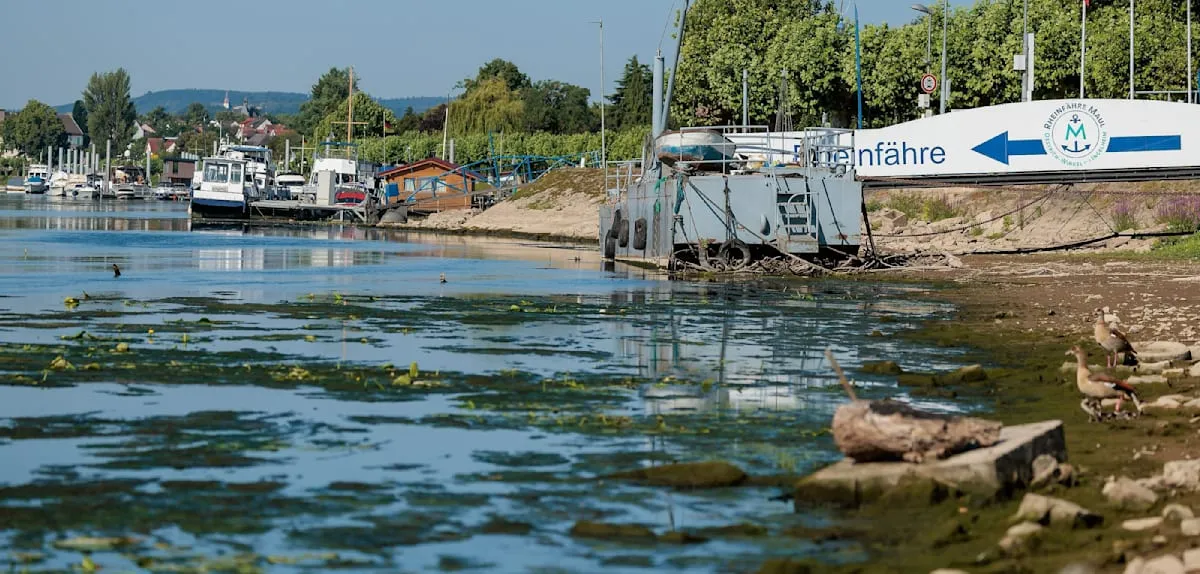
BERLIN — Water temperatures in Germany's major rivers, including the Rhine, Main, and Oder, have surged dramatically to nearly 30 degrees Celsius during the extreme June 2026 heatwave, sparking profound concern among experts regarding the collapse of aquatic ecosystems. This condition critically threatens the survival of fish populations due to oxygen deficiency and triggers massive algal proliferation, marking the beginning of an increasingly serious environmental threat.
This drastic temperature increase surpasses the tolerance threshold for many freshwater species inhabiting these rivers. Initial reports from local environmental agencies indicate that 30 degrees Celsius is a critical and highly dangerous point for riverine biota.
Fish, particularly those accustomed to colder waters, are showing signs of extreme stress. Dissolved oxygen levels in the water significantly decrease as temperatures rise, making it difficult for fish to breathe and leaving them vulnerable to disease. Mass fish deaths are becoming an increasingly realistic scenario if high temperatures persist.
Another alarming phenomenon is the explosive growth of algae. Algae, which proliferate rapidly in warm temperatures and specific nutrient conditions, form thick green layers on the water's surface. These layers block sunlight penetration to deeper waters, killing other aquatic plants, and exacerbating oxygen deficits as the algae decompose.
A hydrologist from the University of Potsdam, who requested anonymity, stated, "Water temperatures are reaching frightening levels. This is no longer an anomaly; it is a terrifying new reality for our river ecosystems." This statement underscores the serious concerns within the scientific community.
This phenomenon is not an isolated incident but rather part of an increasingly frequent pattern of extreme weather hitting Europe. As previously reported, warnings of extreme heatwaves reaching 43 degrees Celsius also extended to Italian cities recently, demonstrating a strong correlation with the global climate crisis.
If the river warming trend continues, the consequences will extend far beyond fish deaths and algae. Entire aquatic food chains will be disrupted, biodiversity will drastically decline, and rivers could lose their capacity as vital ecosystem supporters.
Local governments and conservation agencies in Germany have activated emergency measures, including intensive water quality monitoring and exploration of short-term solutions. However, experts emphasize that fundamental solutions require more ambitious climate policy changes.
These conditions are merely the beginning of larger environmental challenges driven by climate change. Without significant intervention, projections indicate that heatwaves with similar, or even more severe, impacts will become the new norm in coming summers.
This situation in German rivers serves as a serious reminder to the international community about the urgency of climate change mitigation. Protecting global freshwater resources demands cross-border collaboration and strong political commitment.
Beyond ecological impacts, economic sectors reliant on rivers, such as fisheries, tourism, and water transport, also face significant potential losses. Disrupted river flows and damaged ecosystems can hinder these vital activities.
Scientists are calling for increased funding for research and innovation to develop more effective adaptation strategies. Advanced monitoring technologies and ecological engineering methods may be key to preserving river health in the future.
Public awareness regarding the impact of climate change on rivers is crucial. Education campaigns can encourage communities to participate in conservation efforts and pressure governments to take concrete action.
The 2026 water temperature crisis in German rivers is a tangible manifestation of increasing environmental pressure. It is an urgent call to action for all stakeholders, to preserve natural heritage and ensure the planet's sustainability for future generations.