 Debby Wijaya
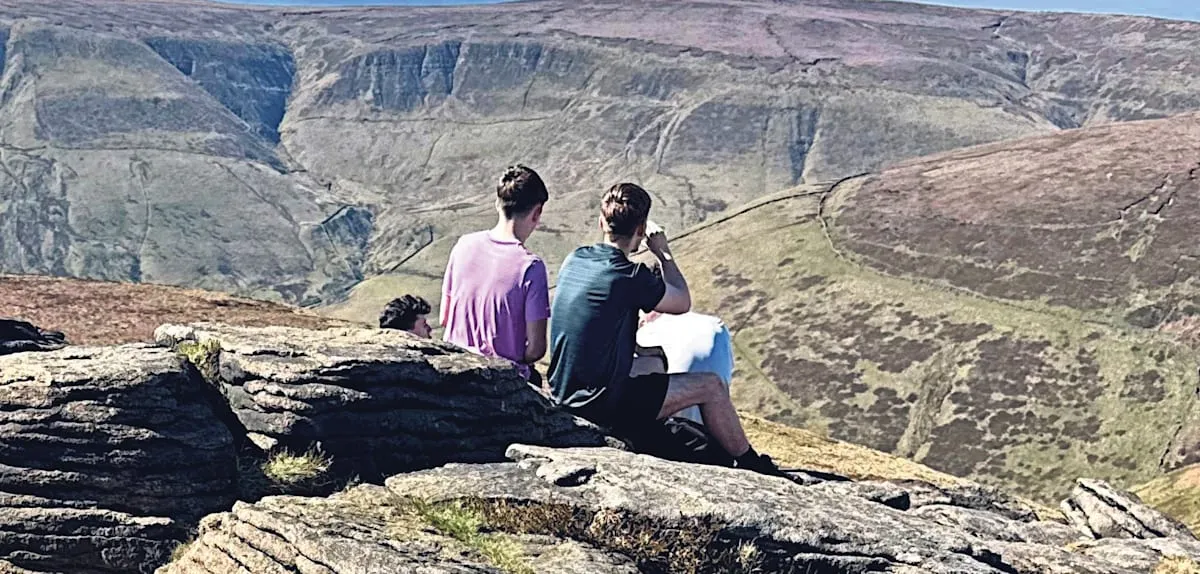
Peak District, England — A massive movement known as the "Mass Trespass" on April 24, 1932, involving hundreds of brave ramblers on the summit of Kinder Scout, Peak District, has etched history as a crucial milestone in the struggle for public right-of-way in England. This act of civil disobedience, which challenged restrictive land ownership laws, critically paved the way for the establishment of the Peak District National Park in 1951, a monumental step that ensured free public access to England's natural beauty.
The historic event stemmed from the collective frustration of urban workers eager for green spaces but hindered by towering private property fences. Groups of ramblers and activists, mostly from the industrial communities of Manchester and Sheffield, united to demand the right to roam landscapes they believed were a shared heritage. Kinder Scout, the highest peak in the Peak District, became a symbol of both oppression and hope.
On the designated day, approximately 400 people marched across private land, deliberately breaking the law to draw public attention to the injustice. They set out from Ashopton and Hayfield, meeting at the Kinder Scout summit, in an organized yet risky demonstration of potential arrests. Landowners, represented at the time by armed gamekeepers, made strenuous efforts to deter them.
An inevitable clash occurred between the ramblers and the gamekeepers. Several activists were arrested and sentenced to prison on charges of trespass. However, these arrests sparked an even greater wave of public sympathy, transforming the "trespassers" into heroes fighting for justice. National media coverage echoed the calls for fairer access to the countryside.
The momentum generated by the "Mass Trespass" did not fade. The campaign for public right-of-way continued to resonate for years, prompting the government to reconsider land policies. Fierce parliamentary debates and pressure from environmental and rambler organizations eventually yielded significant results.
The culmination was the enactment of the National Parks and Access to the Countryside Act in 1949. This legislation became the legal basis for the formation of national parks and the establishment of "right-of-way" in certain areas. This was a major victory for those who had struggled for decades to enjoy nature without artificial restrictions.
Two years after the act was passed, on April 17, 1951, the Peak District National Park was officially established as England's first national park. This beautiful area, spanning 1,438 square kilometers, is now wide open to millions of visitors annually, allowing them to enjoy hiking trails, stunning views, and biodiversity.
The story of the "Mass Trespass" transcends a mere local incident; it became a symbol of the resilience of ordinary people in the face of powerful forces. The event fundamentally changed how British society viewed land ownership and access to nature. It is a valuable lesson about the power of collective action in shaping public policy.
To this day, the legacy of this struggle continues to be felt. Millions of Britons enjoy the right to roam much of the countryside, a freedom often taken for granted. However, every step on a mountain path or moorland is a reminder of the sacrifices of early activists who dared to challenge the status quo.
Through the story of the "Mass Trespass" and the establishment of national parks, England not only preserved its natural landscapes but also ensured that such beauty could be enjoyed by all. This is a real demonstration that the aspirations of the people, when expressed with courage and persistence, have the power to change long-standing social orders.