 Angel Doris
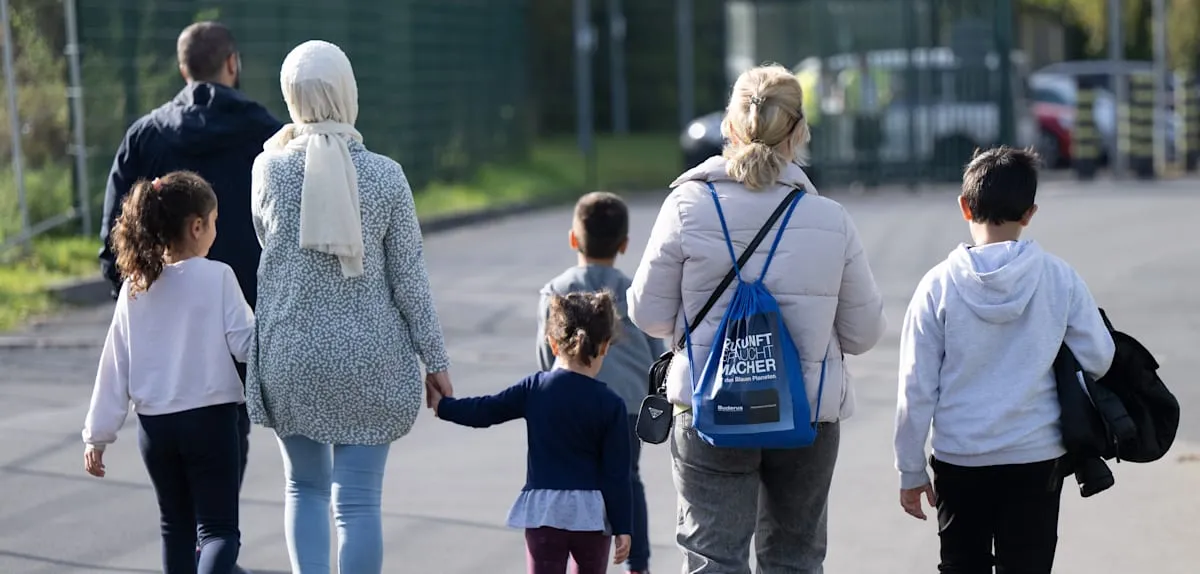
BERLIN — Germany is once again embroiled in an immigration policy controversy following recent data revealing thousands of family reunification visas issued to individuals with subsidiary protection status. This issuance occurred despite the government's implementation of a moratorium effective July 2025, aimed at reviewing and tightening the reunification process. The scale of these visa issuances has immediately reignited fierce debate across the political landscape and among the public.
The suspension of family reunification policy for recipients of subsidiary protection in mid-2025 was a response to political pressure and the integration challenges Germany faces. This policy was designed to alleviate the burden on the national immigration system and ensure a more structured adaptation process for new arrivals. However, the figures now emerging suggest loopholes or differing interpretations in the implementation of the moratorium.
Data released by the German Interior Ministry in early 2026 indicates that a significant number of visa applications were successfully processed and approved. Despite the ongoing moratorium, these visas are strongly believed to be related to applications submitted before the suspension policy took effect or fall under specific exceptions permitted by law.
This situation has prompted politicians from various spectrums to voice their opinions. Opposition party members have sharply criticized the government, accusing it of inconsistency in enforcing immigration policies. They argue that a suspension should mean a complete halt, except for strictly defined urgent humanitarian cases.
Conversely, some parties, including human rights organizations and immigrant advocates, contend that every visa issued reflects Germany's commitment to human rights and the principle of family reunification. They emphasize that many individuals seeking reunification are core family members separated by conflict or persecution, and further delays could cause immeasurable suffering.
The Minister of the Interior, in a press conference held in Berlin, clarified that most of the issued visas were continuations of processes already underway before the moratorium. "We are committed to transparent law enforcement and policies. Each case is evaluated based on applicable legal provisions, including permitted exceptions," the Minister stated, without detailing the exact numbers or categories of exceptions.
Political observers predict that this family reunification issue will dominate the upcoming parliamentary agenda. With regional elections in several federal states approaching, immigration policy is always a sensitive topic that can influence vote shifts. Political parties will strive to strategically position themselves before voters.
The debate is also intertwined with the broader context of Germany's integration capacity. With millions of refugees and immigrants having arrived in the last decade, issues of housing, employment, and public services are under scrutiny. The continued family reunification figures add complexity to the government's efforts to ensure effective and harmonious social integration.
Civil society has also highlighted the impact of this policy on affected individuals and families. Many reports describe the difficulties refugees face in bringing their family members, creating uncertainty and psychological pressure. The balance between immigration control and human rights remains a central point of contention, difficult to reach a consensus on.
The German government now faces the arduous task of clarifying the situation and explaining in detail why thousands of visas were still issued. Data transparency and comprehensive policy clarification are essential to alleviate public concerns and restore confidence in a fair and consistent immigration system.
Migration law experts also underscore the complexities of international and domestic law surrounding this issue. They explain that German migration law has various layers and exceptions, and a moratorium does not automatically halt all forms of family reunification, especially for those with strong legal rights.
This issue is expected to remain a major focus until the end of 2026, with various parties demanding clarity and accountability. How the government handles this wave of criticism will be a significant indicator for the future direction of German immigration policy and how the country balances its national sovereignty with its international human rights commitments.