 Angela Stefani
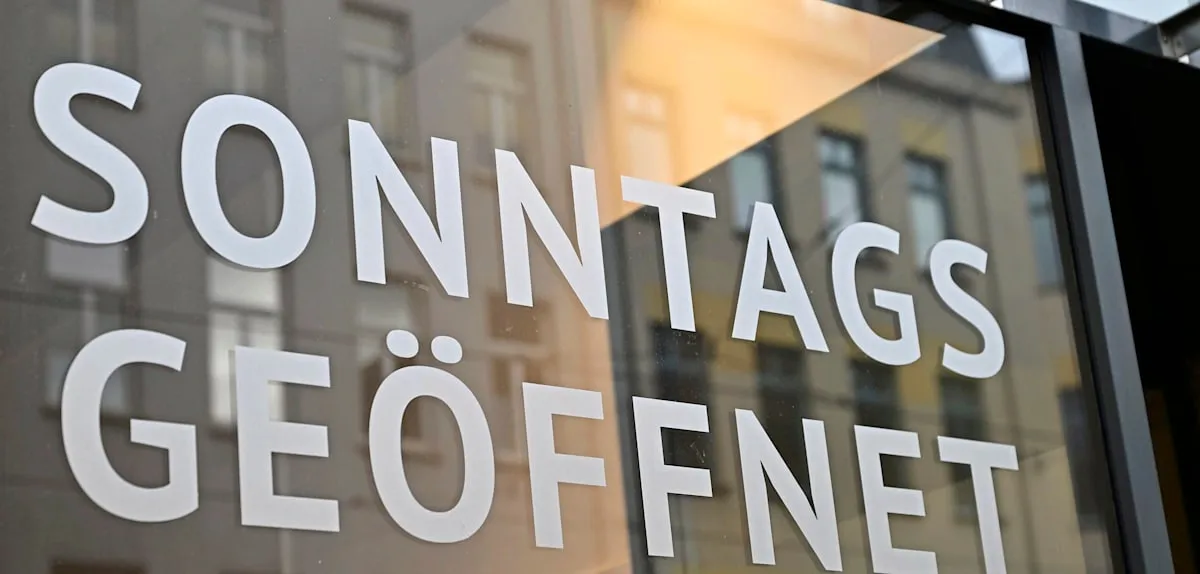
BERLIN — A fierce debate regarding the relaxation of Sunday shop opening hours has reignited in Germany in 2026, creating a rift within the political coalition known as the Union. The employee wing of this conservative alliance staunchly opposes proposals for extended operating hours, while economic representatives advocate for greater flexibility to foster growth and competitiveness. This internal conflict underscores a fundamental clash between business interests and the protection of labor rights.
Economic stakeholders argue that more lenient regulations on Sunday opening hours could provide a significant boost to the economy. They claim that by allowing shops to operate longer on Sundays, the retail sector can attract more consumers, especially tourists, and create additional employment opportunities. Large companies, in particular, view this as a crucial step to compete with online markets and neighboring countries that have more flexible opening times.
However, the employee wing of the Union responds with a stern warning, labeling it a "creeping abolition of Sunday as a day of rest." They contend that Sunday holds profound social and cultural value, offering families an opportunity to gather, rest, and engage in religious or recreational activities without work pressure. Relaxing the rules, they argue, would erode work-life balance and harm millions of retail employees.
The history of Sunday as a day of rest in Germany has deep roots, embedded in Christian traditions and protected by the constitution. Laws stipulate that Sundays and public holidays are days of rest from work, with limited exceptions for essential sectors such as hospitals, transport, or emergency services.
Germany's Shop Closing Law (Ladenschlussgesetz), although having undergone several regional modifications, generally restricts commercial activities on Sundays. Both federal and state governments have repeatedly faced pressure to reform these rules, yet the protection of Sunday as a non-working day remains a cornerstone of German labor law.
Proponents of relaxed working hours point to the potential for increased tax revenues for the government and growth in the tourism sector. They propose models where municipalities could flexibly designate certain Sundays per year for shop openings, or grant special exceptions in tourist-heavy areas.
On the other hand, trade unions and social organizations emphasize the negative impact on worker health and well-being. They argue that working on Sundays is often not adequately compensated and can lead to fatigue and stress, ultimately reducing long-term productivity.
Compromise becomes a key word in this debate, with some parties suggesting solutions that balance economic needs and worker protection. For instance, limiting the number of Sundays stores can open per year, or significantly increasing wage compensation for employees willing to work on that day.
This issue is not only relevant to Germany but also reflects similar debates in various other European countries that still uphold the tradition of Sunday as a day of rest. Pressures from globalization and online retail competition continue to provoke a re-evaluation of working hour regulations.
The Union government, facing a significant challenge to unify its internal perspectives, must navigate economic, social, and ethical complexities. The decisions made regarding Sunday shop opening hours in 2026 will shape Germany's retail landscape and worker rights for decades to come.