 Robert Andrison
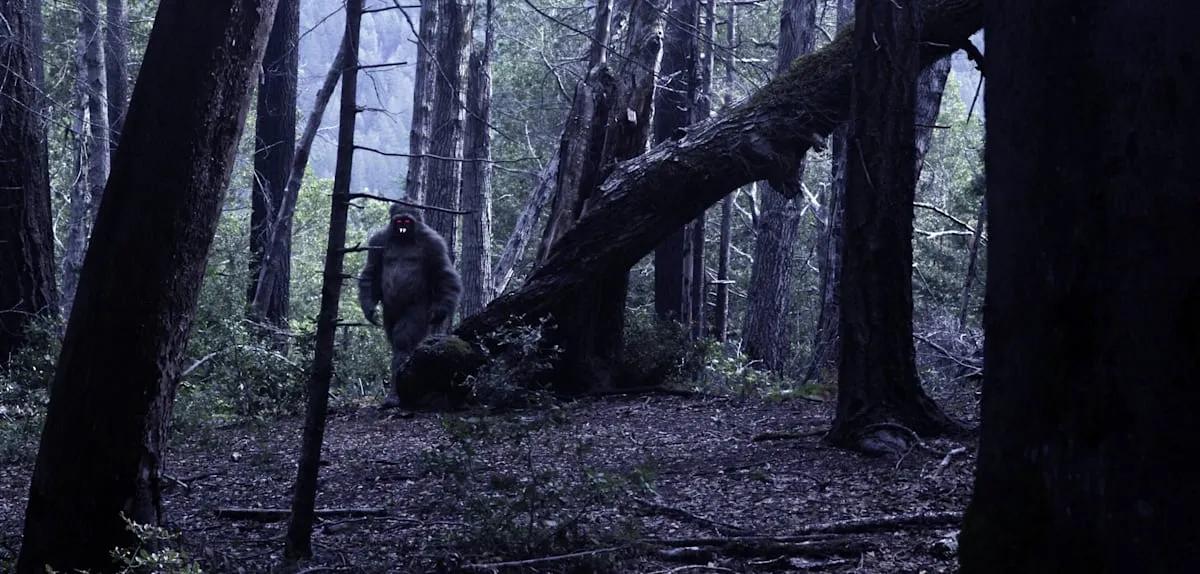
BERLIN – Panic has gripped Germany as mid-2026 approaches. Society and media alike are demanding the long-awaited appearance of the 'summer hole monster', after a series of annual sensational phenomena have failed to materialize. This situation has even prompted the German Federal Government to consider allocating a special fund to address the growing news void.
The tradition of 'Sommerloch' or 'summer hole' has long been a unique phenomenon in the German media landscape. This period, typically occurring during the summer when parliament is in recess and political agendas slow down, is often filled with light or sensational news stories that capture widespread public attention. However, in 2026, the news stage appears empty of the usual dramatic narratives.
Previously, the German public was accustomed to being entertained by various sudden 'stars', ranging from the mysterious appearance of killer catfish, problematic bears wandering into urban areas, to lion-wild boar hybrids that caused a stir. Such incidents effectively filled newspaper front pages and television news segments, creating collective conversations amid the absence of major political issues.
However, to date, there are no signs of a new 'monster' ready to liven up the news scene. The absence of sensation has led to calls from various quarters, including a public that feels deprived of seasonal entertainment, and a media industry struggling to find engaging content.
We are used to the annual drama. It is part of our summer identity, a kind of collective ritual, said Juergen Schmidt, a resident of Munich, with a jocular tone but underlying uneasiness.
Responding to this 'critical' situation, Federal Government spokesperson, Dr. Anja Weber, stated that the cabinet is evaluating a proposal for the establishment of a 'Sommerloch-Sondervermogen' or Special Summer Hole Fund. We understand the public's need for entertaining narratives that fill the public space, Weber said.
This special fund is reportedly allocated to finance creative initiatives. Spekulation abounds that the program might include funding expeditions to remote lakes, intensive forest surveillance, or even media campaigns designed to 'discover' or 'inspire' the emergence of unique phenomena. The aim is to ensure that the public does not experience a prolonged information vacuum.
Some media observers view this phenomenon as a reflection of modern society's deep need for distraction and entertainment, especially amidst news flows that sometimes feel heavy. The 'summer hole monster' is a collective catharsis. It allows us to momentarily forget serious issues and engage in lighter narratives, explained Profesor Klaus Richter, a media sociologist from Hamburg University.
The absence of sensational news also has a significant impact on the media industry. Many outlets rely on these light news stories to maintain reader interest during slow months. Without a viral 'monster', the challenge of maintaining circulation and ratings becomes more difficult. This condition demonstrates how mass media is increasingly dependent on viral and sensational content to maintain relevance in the public eye.
In addition to the 'summer hole monster' issue, Germany is also facing serious debates regarding tax reform that is dividing the governing coalition, as reported in the article German Tax Reform Divides Coalition: Unkept Promises Shake Berlin. The stark contrast between these two types of 'news' highlights the spectrum of public attention.
Should the 'summer hole monster' fail to appear, there are concerns that the public will seek other alternatives, or even become apathetic to the news presented. This could pose a major challenge to information stability and citizen engagement in public discourse.
Editorial Insight: The 'Sommerloch' phenomenon and the demand for a news-filling 'monster' is more than just a joke. It is a sharp satirical reflection on the media's and public's thirst for sensation, even amidst more pressing realities. A government that goes so far as to consider a special fund for this shows how powerful popular narratives are in shaping perceptions and diverting attention from substantive issues. This is a subtle critique of journalism that sometimes falls into the trap of ratings and clicks, forgetting the essence of deep, factual reporting. The big question is, does society truly want the truth or just an engaging story, even if it's an illusion?