 Angel Doris
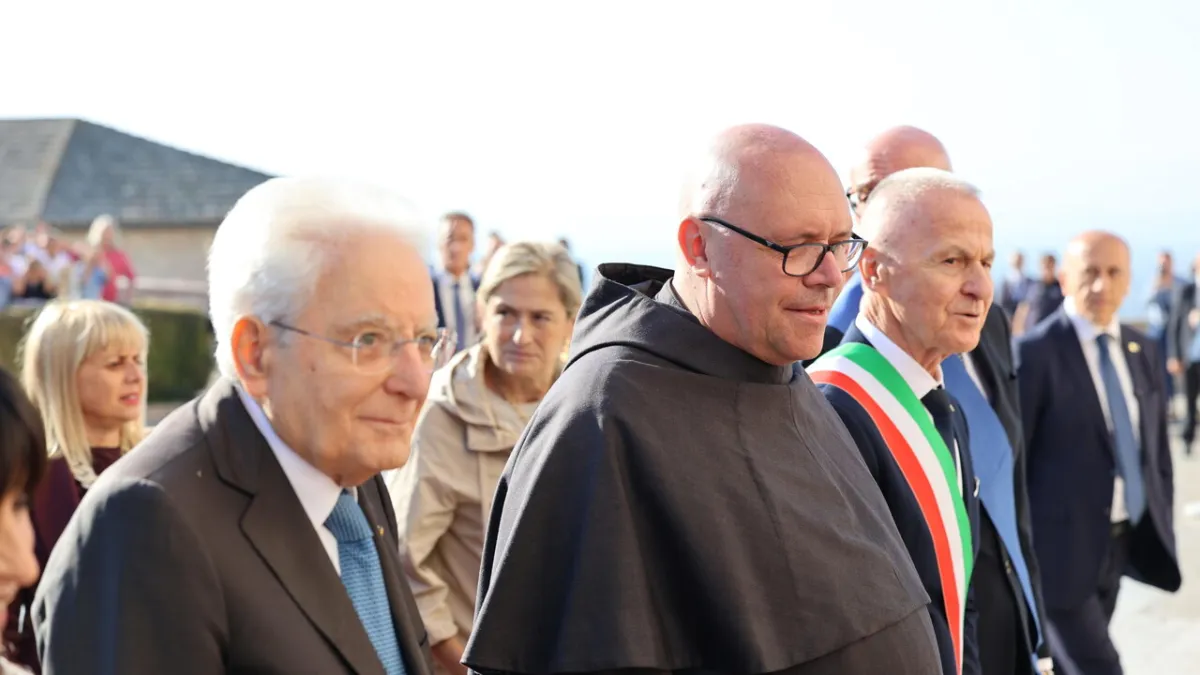
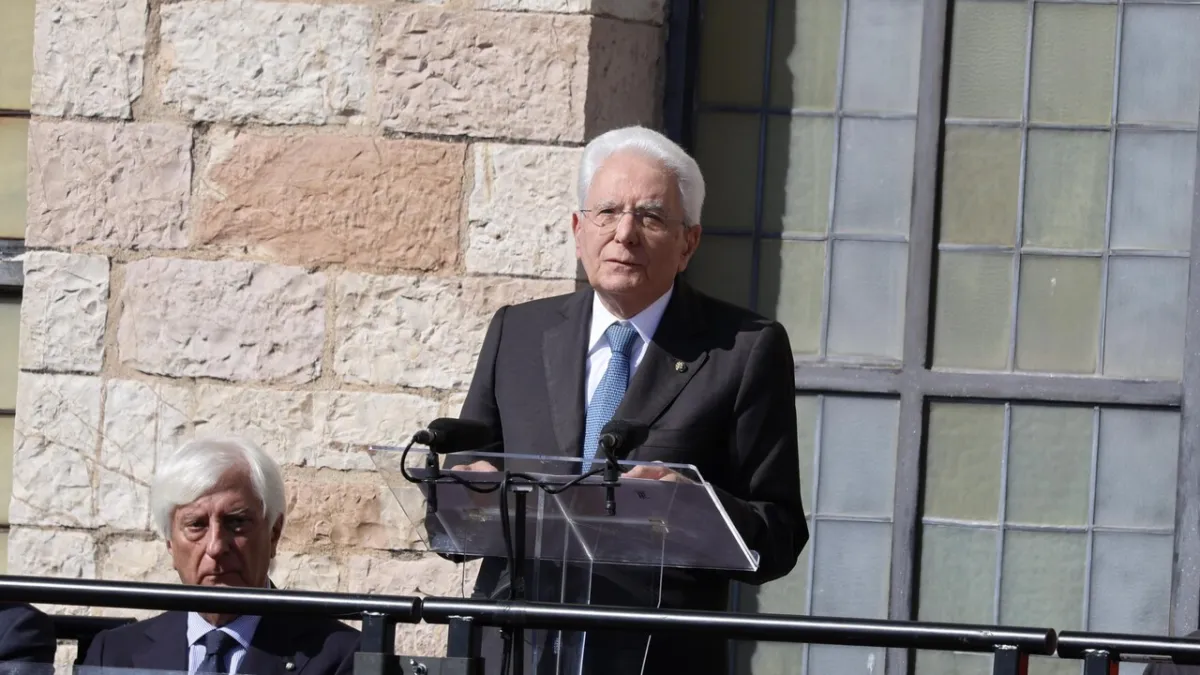
ASSISI – October 4th has officially been reinstated as a national holiday in Italy, with its main celebrations held in the city of Assisi, coinciding with the feast day of Saint Francis of Assisi. The President of the Italian Republic, Sergio Mattarella, personally led a series of state ceremonies underscoring the significance of this historic moment for Italy's identity and national values. The restoration of October 4th as a national holiday reaffirms Italy's commitment to the spiritual and cultural heritage embodied by their patron saint.
The Italian government's decision to reinstate October 4th as a national holiday in 2026, after a period of suspension, has been met with widespread enthusiasm. These celebrations are not merely formal ceremonies but also a profound reflection on the values of peace, fraternity, and environmental stewardship taught by Saint Francis. The city of Assisi, as the saint's birthplace and spiritual center, became the heart of all activities.
President Mattarella, in his address, highlighted the relevance of Saint Francis' teachings amidst current global challenges. He emphasized the necessity of unity and solidarity in confronting humanitarian and environmental crises. The head of state's presence lent particular legitimacy and weight to the celebrations, making it a nationally significant event worthy of attention.
The ceremonies commenced with a solemn mass at the Basilica of Saint Francis of Assisi, followed by a procession involving religious leaders, government officials, and thousands of faithful. A spirit of togetherness permeated the entire city, creating an atmosphere both sacred and festive. This moment offered Italian citizens an opportunity to reflect on the moral and ethical foundations of their nation.
Historically, October 4th has long been commemorated in Italy as Saint Francis' day. Its previous designation as a national holiday demonstrates the close bond between this saintly figure and the Italian national spirit. The re-activation of this status is considered a positive step to strengthen cultural and spiritual identity among younger generations.
Local governments of Umbria and the city of Assisi had prepared for this celebration well in advance. As previously reported in our article, Assisi Prepares: President Mattarella Attends Grand Celebration of Saint Francis of Italy, public anticipation was indeed very high. Extensive infrastructural and security preparations were undertaken to ensure the smooth running of an event attended by numerous high-ranking state officials and thousands of visitors from around the world.
The economic sector also experienced positive impacts from the celebrations. Local tourism saw a significant boost, with hotels, restaurants, and souvenir shops bustling with visitors. This demonstrates that large-scale religious and cultural events can be vital economic drivers for the region.
Attendees at the ceremonies included not only Italians but also delegates from various countries inspired by Saint Francis' teachings. They carried messages of peace and interfaith dialogue, in line with the universal spirit of the saint's teachings. These cross-cultural interactions enriched the celebrations and broadened their reach.
This commemoration of Saint Francis also served as a platform for discussions on social and environmental issues. Various seminars and workshops were organized to explore how Franciscan principles can be applied in modern contexts, from environmental protection to addressing poverty and injustice. This illustrates the saint's timeless relevance.
The reinstatement of October 4th as a National Holiday, marked by President Mattarella's presence in Assisi, affirms that spiritual and humanitarian values remain core pillars for the nation's continuity. This moment is expected to rekindle a spirit of cooperation and compassion across Italy, inspiring citizens to contribute to a more just and harmonious society.
Editorial Insight: Italy's decision to reinstate October 4th as a National Holiday, focusing on Saint Francis of Assisi, represents a strategic move beyond mere religious ceremony. It reflects the government's effort to re-inject moral and spiritual values into the national narrative, especially amidst global social and economic disruptions. President Mattarella's presence sends a strong signal about the state's commitment to cultural and ethical heritage, potentially enhancing social cohesion and Italy's global image as a nation upholding peace and humanity. The long-term impact is expected to foster increased collective awareness of crucial issues such as environment and social justice, whose relevance has become increasingly pressing in 2026.